
accurate
US /ˈækjərɪt/
UK /ˈækjərət/
- Adjective
- With no mistake or error; Correct
A2Moreaddiction
US /əˈdɪkʃən/
UK /əˈdɪkʃn/
- Noun (Countable/Uncountable)
- Lack of control the overuse of something e.g. drugs
- A compulsive physiological need for a habit-forming substance.
B1TOEICMoreaggression
US /əˈɡrɛʃən/
UK /əˈgreʃn/
- Uncountable Noun
- Use of energy and determination to achieve a goal
- Hostile or violent behavior or attitudes toward another; readiness to attack or confront.
B1Moreantidote
US /ˈæntidoʊt/
UK /ˈæntidəʊt/
- Noun
- A drug, which limits the effects of a poison
C1TOEICMorebully
US /ˈbʊli/
UK /'bʊlɪ/
- Noun (Countable/Uncountable)
- a person who habitually seeks to harm or intimidate those whom they perceive as vulnerable
- A person who uses superior strength or influence to intimidate others.
- Verb (Transitive/Intransitive)
- seek to harm, intimidate, or coerce (someone perceived as vulnerable)
B2Morebunch
US /bʌntʃ/
UK /bʌntʃ/
- Noun (Countable/Uncountable)
- A group of things of the same kind
- A group of people.
- Transitive Verb
- To group people or things closely together
B1Morecompete
US /kəmˈpit/
UK /kəmˈpi:t/
- Intransitive Verb
- To try to beat others at something, e.g. a race
- To try to gain something by defeating or establishing superiority over others.
A2Moreconflict
US /ˈkɑnˌflɪkt/
UK /'kɒnflɪkt/
- Noun (Countable/Uncountable)
- Argument or struggle between two or more parties
- A serious disagreement or argument.
- Verb (Transitive/Intransitive)
- To have opposite ideas; to disagree; To not match
A2Morecorrelate
US /ˈkɔ:rəleɪt/
UK /ˈkɒrəleɪt/
- Verb (Transitive/Intransitive)
- To have/show the relationship between two things
- To have a mutual relationship or connection; to establish a systematic connection.
- Noun
- Something that is mutually related to or associated with something else.
B1TOEICMorecourage
US /ˈkɚrɪdʒ, ˈkʌr-/
UK /'kʌrɪdʒ/
- Uncountable Noun
- Quality of being able to face danger without fear
- The quality of being brave enough to do what is right or necessary, even when it is difficult or dangerous
- Transitive Verb
- To encourage or embolden someone.
A2Moredefine
US /dɪˈfaɪn/
UK /dɪ'faɪn/
- Transitive Verb
- To explain the meaning of words
- To set or mark the limits of something
A2TOEICMoredepression
US /dɪˈprɛʃən/
UK /dɪ'preʃn/
- Noun (Countable/Uncountable)
- Medical condition of a lack of vitality
- Period of unemployment and low economic activity
B2Moreemotional
US /ɪˈmoʃənəl/
UK /ɪˈməʊʃənl/
- Adjective
- Causing, feeling, or appealing to the emotions
- Relating to or characterized by emotion
A2Moreempathy
US /ˈɛmpəθi/
UK /ˈempəθi/
- Uncountable Noun
- Understanding how other people feel/suffer
- The ability to understand and share the feelings of another, especially when those feelings are negative or painful
B2TOEICMoreexponentially
US /ˌekspə'nenʃəlɪ/
UK /ˌekspə'nenʃəlɪ/
- Adverb
- (Of an increase) at a faster and faster rate
- At an increasingly rapid rate; extremely quickly.
C1Moreexposure
US /ɪkˈspoʒɚ/
UK /ɪk'spəʊʒə(r)/
- Noun
- Allowing light through a cameras lens onto film
- Being talked about in the media
A2TOEICMoregremlin
US /ˈɡrɛmlɪn/
UK /ˈgremlɪn/
- Countable Noun
- An imaginary gnomelike creature to whom mechanical problems, especially in aircraft, are attributed
B2Moreguilt
US /ɡɪlt/
UK /gɪlt/
- Uncountable Noun
- Shame at doing something bad or wrong
A2TOEICMorehave to
US /hæv tu/
UK /ˈhæv tə/
- Auxiliary Verb
- Must do
A1Morepath
US /pæθ, pɑθ/
UK /pɑ:θ/
- Noun
- Method of living leading to a particular result
- Track made with stones, by walking over the ground
A2TOEICMoreperceive
US /pɚˈsiv/
UK /pə'si:v/
- Transitive Verb
- To notice or become aware of something
- To think of someone or something in a certain way
B1TOEICMoreresearch
US /rɪˈsɚtʃ, ˈriˌsɚtʃ/
UK /rɪ'sɜ:tʃ/
- Verb (Transitive/Intransitive)
- To study in order to discover new ideas and facts
- To study the market relating to marketing products and services.
- Noun (Countable/Uncountable)
- Study done to discover new ideas and facts
- A particular area or topic of study.
A2TOEICMoreshame
US /ʃem/
UK /ʃeɪm/
- Uncountable Noun
- Feeling of guilt because you did something wrong
- Transitive Verb
- To make someone feel ashamed
A2Moresilence
US /ˈsaɪləns/
UK /'saɪləns/
- Uncountable Noun
- State of being quiet and not talking for a time
- When there is not sound or noise; complete quiet
- Transitive Verb
- To stop the noise that something is making
- To prevent someone from expressing thoughts
A2Morestruggle
US /ˈstrʌɡəl/
UK /'strʌɡl/
- Verb (Transitive/Intransitive)
- To try very hard to do something difficult
- To fight or struggle violently
- Noun (Countable/Uncountable)
- Strong efforts made to do something difficult
- A difficult or challenging situation or task
A2Moresuicide
US /ˈsuɪˌsaɪd/
UK /'su:ɪsaɪd/
- Noun
- Act of purposely killing yourself
- Act that ruins a person's career, status etc.
B2Moresuppose
US /səˈpoʊz/
UK /sə'pəʊz/
- Verb (Transitive/Intransitive)
- To imagine or guess what might happen
- Conjunction
- What if
A2TOEICMoresurvive
US /sɚˈvaɪv/
UK /sə'vaɪv/
- Intransitive Verb
- To continue to live despite illness or trouble
A2TOEICMoreuncertainty
US /ʌnˈsə:tn:ti/
UK /ʌn'sɜ:tntɪ/
- Uncountable Noun
- Feeling of not really knowing what will happen
- Lack of confidence; doubt.
B2TOEICMoreviolence
US /ˈvaɪələns/
UK /ˈvaɪələns/
- Uncountable Noun
- Strong physical force of nature
- Use of physical force to harm someone
B1Morevulnerability
US /ˌvʌlnərə'bɪlətɪ/
UK /ˌvʌlnərə'bɪlətɪ/
- Uncountable Noun
- Being weak and able to be easily hurt or damaged
- A weakness or flaw that makes something susceptible to harm or damage.
B1More
Vocabulary
- have to: Must do
- perceive: To notice or become aware of something
- struggle: To try very hard to do something difficult
- bunch: A group of things of the same kind
- depression: Medical condition of a lack of vitality
- vulnerability: Being weak and able to be easily hurt or damaged
- empathy: Understanding how other people feel/suffer
- conflict: Argument or struggle between two or more parties
- accurate: With no mistake or error; Correct
- exposure: Allowing light through a cameras lens onto film
- amount: Quantity of something
- emotional: Causing, feeling, or appealing to the emotions
- research: To study in order to discover new ideas and facts
- suppose: To imagine or guess what might happen
- addiction: Lack of control the overuse of something e.g. drugs
- path: Method of living leading to a particular result
- behavior: The way a person or thing acts; manner
- define: To explain the meaning of words
- survive: To continue to live despite illness or trouble
- risk: To do something potentially dangerous or foolish
- silence: State of being quiet and not talking for a time
- courage: Quality of being able to face danger without fear
- shame: Feeling of guilt because you did something wrong
- belief: Being sure that something exists or is true
- violence: Strong physical force of nature
- suicide: Act of purposely killing yourself
- aggression: Use of energy and determination to achieve a goal
- guilt: Shame at doing something bad or wrong
- compete: To try to beat others at something, e.g. a race
- bully: a person who habitually seeks to harm or intimidate those whom they perceive as vulnerable
- antidote: A drug, which limits the effects of a poison
- uncertainty: Feeling of not really knowing what will happen
- exponentially: (Of an increase) at a faster and faster rate
- daily: Happening every day
- find: To become aware of something that is happening
- grow: To get bigger and more mature; make plants do this
- correlate: To have/show the relationship between two things
- understand: To know the meaning of language, what someone says
- weak: Not having a strong character
- put: To move or place a thing in a particular position
- good: Proper, appropriate or right
- man: Humans in general, including male and female
- highly: In a manner that shows approval
- talk: Style of speaking
- gremlin: An imaginary gnomelike creature to whom mechanical problems, especially in aircraft, are attributed
- bad: Not good; wrong
Get the full experience in the app
Learn anywhere with detailed sentence and usage analysis
01:03
She took a brave step forward, leaving behind her comfort zone to chase her dreams.
Vocabulary
- brave
adj. Having courage
- comfort zone
phr. A familiar situation where one feels safe
Explanation
a brave step is a noun phrase, where brave is an adjective modifying the noun step, meaning "a courageous step".
forward is an adverb modifying step, meaning "ahead".
The whole phrase serves as the object, answering the "what" of took (verb) — she took a brave step forward.
Get the full experience in the app
Look up words anytime with pronunciation, part of speech, and usage
brave
US/brev/
UK/breɪv/
adj.Brave
v.t.To bravely face
A2 Elementary
Get the full experience in the app
Practice speaking anytime and get instant pronunciation feedback
Try this speaking exercise.
Try practicing with this sentence.
80
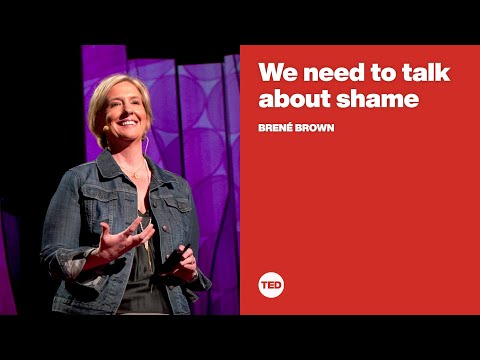
We need to talk about shame | Brené Brown
0
Julianne Sung posted on 2022/05/12Ever wondered what shame really is and how it affects us? Brené Brown dives deep into vulnerability and shame in this powerful TED Talk, offering insights that are super practical for daily life! You'll pick up some advanced vocabulary while exploring these important topics, making it a fantastic way to boost your English and your self-understanding.
Learn this video on the APP!
The VoiceTube App has more in-depth practice for videos!