
check out
US /tʃɛk aʊt/
UK /tʃek aut/
- Phrase
- Phrasal Verb
- To find out information about something
- To take books out of a library
A1Morefor example
US
UK
- Phrase
- As an illustration or instance.
got to
US /ɡɑt tu/
UK /gɔt tu:/
- Verb (Transitive/Intransitive)
- To arrive at some place
- To have the opportunity or permission to do something
- Phrasal Verb
- To appeal to the emotions of; move
- To finally begin to start something after a delay
A1Morehave to
US /hæv tu/
UK /ˈhæv tə/
- Auxiliary Verb
- Must do
A1Morein future
US /ɪn ˈfjutʃɚ/
UK /ɪn ˈfju:tʃə/
- Preposition
- At a time yet to come; from now onwards.
A2Morein the past
US
UK
- Phrase
- During a former period of time; previously.
A1Morejump out
US /dʒʌmp aʊt/
UK /dʒʌmp aut/
- Phrasal Verb
- To suddenly appear or move forward, often to surprise someone.
- To be very obvious or easily noticeable.
A2Moremiss out
US /mɪs aʊt/
UK /mis aut/
- Phrasal Verb
- To exclude; not include in something
- To fail to take advantage of something; to lose an opportunity.
A1Moremuch about
US /mʌtʃ əˈbaʊt/
UK /mʌtʃ əˈbaut/
- Phrase
- A lot of information or knowledge concerning something.
- To a great extent or degree regarding something; caring.
A1Moreobject
US /ˈɑbdʒɪkt/
UK /'ɒbdʒɪkt/
- Noun (Countable/Uncountable)
- Something you can see or touch, but is not alive
- Goal or purpose of a particular plan or activity
- Verb (Transitive/Intransitive)
- To disagree; to protest against an idea or plan
- To state one's reason for disagreement
A2TOEICMoreout there
US /aʊt ðɛr/
UK /aut ðɛə/
- Adverb
- In or to a place that is far away
- Existing in the universe
- Adjective
- Unconventional; strange; avant-garde
- Existing or available.
A1Moreplain sailing
US
UK
- Uncountable Noun
- Easy progress; a situation without problems.
- Sailing in calm conditions with a favorable wind.
- Adjective
- Easy and without difficulties.
- Expected to be easy in the future.
B1Morepossessive
US /pəˈzɛsɪv/
UK /pəˈzesɪv/
- Adjective
- Wanting someone's complete attention, love
- (Grammar) word establishing ownership
- Noun
- (Grammar) word establishing ownership
B1Morerather than
US
UK
- Adverb
- More exactly; more correctly
- Preferably; instead
- Preposition
- Instead of
A1Moretalking about
US
UK
- Phrasal Verb
- To discuss a particular topic.
- To be constantly mentioning or bringing up a subject.
A1Moretalking through
US
UK
- Phrasal Verb
- To discuss something thoroughly in order to reach a decision or understanding.
A2Moretense
US /tɛns/
UK /tens/
- Noun
- The use of grammar to state the time things happen
- Adjective
- Unable to relax; feeling nervous or stressed
- Stretched tight and stiff
A2TOEICMorethink about
US /θɪŋk əˈbaʊt/
UK /θiŋk əˈbaut/
- Phrasal Verb
- To consider something carefully.
- To remember or call to mind.
A1More
Vocabulary
- talking about: To discuss a particular topic.
- got to: To arrive at some place
- for example: As an illustration or instance.
- out there: In or to a place that is far away
- talking through: To discuss something thoroughly in order to reach a decision or understanding.
- rather than: More exactly; more correctly
- think about: To consider something carefully.
- much about: A lot of information or knowledge concerning something.
- plain sailing: Easy progress; a situation without problems.
- in the past: During a former period of time; previously.
- have to: Must do
- miss out: To exclude; not include in something
- in future: At a time yet to come; from now onwards.
- jump out: To suddenly appear or move forward, often to surprise someone.
- check out
- present: Being in attendance; being there; having turned up
- form: Sports team or person's current winning record
- subject: The person, thing, or idea that is being discussed, described, or studied.
- important: Having power or authority
- simple: Not hard to understand or do; not complex
- object: Something you can see or touch, but is not alive
- future: Time that is to come after the present
- tense: The use of grammar to state the time things happen
- lesson: Something done to learn or teach something; class
- prefer: To like something better than something else
- nice: Being attractive or of high quality or value
- bag: Soft container to put things in and carry with you
- talking: To make a formal speech about something
- dog: Small 4-legged animal that barks kept as a pet
- possessive: Wanting someone's complete attention, love
Get the full experience in the app
Learn anywhere with detailed sentence and usage analysis
01:03
She took a brave step forward, leaving behind her comfort zone to chase her dreams.
Vocabulary
- brave
adj. Having courage
- comfort zone
phr. A familiar situation where one feels safe
Explanation
a brave step is a noun phrase, where brave is an adjective modifying the noun step, meaning "a courageous step".
forward is an adverb modifying step, meaning "ahead".
The whole phrase serves as the object, answering the "what" of took (verb) — she took a brave step forward.
Get the full experience in the app
Look up words anytime with pronunciation, part of speech, and usage
brave
US/brev/
UK/breɪv/
adj.Brave
v.t.To bravely face
A2 Elementary
Get the full experience in the app
Practice speaking anytime and get instant pronunciation feedback
Try this speaking exercise.
Try practicing with this sentence.
80
0
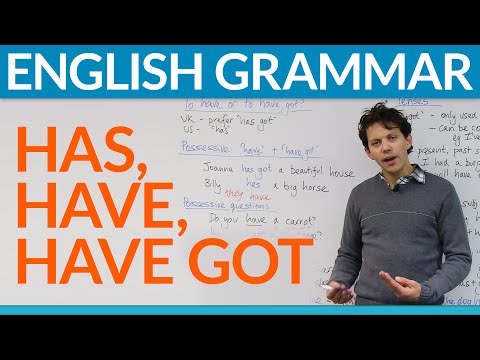
Hang-quei Chiu posted on 2014/08/18Ever get confused between 'has', 'have', and 'have got'? This super practical video breaks down these common English grammar points step-by-step, perfect for nailing possession and daily conversations! You'll pick up how to use them correctly in simple sentences and even learn some handy contractions.
Learn this video on the APP!
The VoiceTube App has more in-depth practice for videos!