
account of
US /əˈkaʊnt ʌv/
UK /əˈkaunt ɔv/
- Noun
- A spoken or written description of an event.
- Preposition
- Because of; for the reason of.
B1Moreanswer to
US
UK
- Phrasal Verb
- To be responsible to someone and have to explain your actions to them.
- To correspond to or match a description or requirement.
A1Morearound the world
US /əˈraʊnd ði wɜrld/
UK /əˈraund ðə wɜː(r)ld/
- Phrase
- In or to many countries.
- In various places throughout the world.
A2Moreat a time
US /æt e taɪm/
UK /æt ə taim/
- Phrase
- Separately; one by one
- Simultaneously; together
A1Moreat least
US /æt list/
UK /æt li:st/
- Adverb
- As a minimum
- Not less than
- Phrase
- No less than; at the minimum
- Used to indicate that something is positive in a bad situation.
C2Moreat once
US /æt wʌns/
UK /æt wʌns/
- Adverb
- Immediately; without delay
- At the same time; simultaneously
A2Moreat stake
US /æt stek/
UK /æt steik/
- Phrase
- At risk; that can be lost if something is not successful
- In question; depending on what happens
- Adjective
- At risk; that can be lost if something is not successful.
A1Moreat the moment
US
UK
- Adverb
- At this time; now
A1Moreat the same time
US
UK
- Phrase
- Simultaneously; at the identical moment.
- Nevertheless; however; used to introduce a contrasting or qualifying statement.
A1Morebold
US /bold/
UK /bəʊld/
- Adjective
- Brave; very confident; too confident
- Having a strong, vivid, or striking appearance or flavor
- Noun
- Darker heavier shade of a font
B1Moreby default
US /baɪ dɪˈfɔlt/
UK /bai diˈfɔ:lt/
- Adverb
- Automatically, unless the user specifies otherwise.
- Because of a lack of any other action or choice.
come together
US /kʌm təˈɡɛðɚ/
UK /kʌm təˈɡeðə/
- Phrasal Verb
- To assemble or unite; to start working together.
- To form a close relationship or bond.
A1Morecope with
US /kop wɪð/
UK /kəup wið/
- Phrasal Verb
- To deal successfully with a difficult situation.
A1Morecrisis
US /ˈkraɪsɪs/
UK /'kraɪsɪs/
- Noun (Countable/Uncountable)
- Unstable situation of extreme danger or difficulty
- A turning point in a disease.
B1Morecurrency
US /ˈkɚrənsi, ˈkʌr-/
UK /'kʌrənsɪ/
- Uncountable Noun
- Widespread acceptance
- Money system that a country uses
B1Moredeal with
US /dil wɪð/
UK /di:l wið/
- Verb (Transitive/Intransitive)
- To buy or sell goods or services.
- Phrasal Verb
- To take action to solve a problem or manage a situation.
- To be about; concern.
A1Moredemocracy
US /dɪˈmɑkrəsi/
UK /dɪ'mɒkrəsɪ/
- Noun (Countable/Uncountable)
- System of government in which everyone is equal
- Principles of social equality and respect for the individual within a society.
B1Moredrive down
US /draɪv daʊn/
UK /draiv daun/
- Phrasal Verb
- To cause something to decrease or become lower.
- To travel by car to a place that is further south or lower down.
A1Moredry up
US /draɪ ʌp/
UK /drai ʌp/
- Phrasal Verb
- (Of money etc.) to vanish or be nothing left of it
A1Moreeconomic
US /ˌɛkəˈnɑmɪk, ˌikə-/
UK /ˌi:kəˈnɒmɪk/
- Adjective
- Concerning trade, industry, and money
- Financially worthwhile; profitable.
- Noun
- A system relating to economics
- A factor relating to economics
A2Moreengage in
US /ɪn'gedʒ ɪn/
UK /ɪnˈɡeɪdʒ in/
- Phrasal Verb
- To participate or become involved in something.
B1Morefor instance
US /fɔr ˈɪnstəns/
UK /fɔ: ˈinstəns/
- Adverb
- As an example.
- Phrase
- As an example.
- As an illustration or case in point
B1Morefor the rest
US /fɔr ði rɛst/
UK /fɔ: ðə rest/
- Phrase
- Concerning the remaining people or things.
- During the remaining part of a period of time.
A1Morefor the world
US /fɚ ðə wɝld/
UK /fə ðə wɜ:ld/
- other
- Used to emphasize something would never happen.
B2Morefor too long
US
UK
- Phrase
- For an excessively extended period.
A1Moreforge ahead
US
UK
- Phrasal Verb
- To make strong and steady progress; to move forward with determination.
B1Moreget to grips with
US /ɡɛt tə ɡrɪps wɪθ/
UK /ɡet tə ɡrɪps wɪθ/
- other
- To begin to understand and deal with something difficult.
B2Moregive up
US /ɡɪv ʌp/
UK /ɡiv ʌp/
- Phrasal Verb
- To lose hope or admit defeat
- To decide to not start to try solving a problem
A1Morego ahead
US /ɡo əˈhɛd/
UK /ɡəu əˈhed/
- Phrasal Verb
- To start an activity; start doing, working etc.
- To give permission to do something
- Intransitive Verb
- To start or proceed with something
- To proceed despite potential obstacles or doubts.
A1Morego on
US /ɡo ɑn/
UK /ɡəu ɔn/
- Phrasal Verb
- To continue doing something
- To happen (usually negative)
- Interjection
- Used to encourage someone
A1Moregot to
US /ɡɑt tu/
UK /gɔt tu:/
- Verb (Transitive/Intransitive)
- To arrive at some place
- To have the opportunity or permission to do something
- Phrasal Verb
- To appeal to the emotions of; move
- To finally begin to start something after a delay
A1Morehand up
US
UK
- Phrasal Verb
- To raise one's hand in order to get attention, especially in a classroom.
have to
US /hæv tu/
UK /ˈhæv tə/
- Auxiliary Verb
- Must do
A1Morein a sense
US /ɪn e sɛns/
UK /in ə sens/
- Phrase
- In one way of thinking; to some extent; in some ways.
B1Morein addition to
US /ɪn əˈdɪʃən tu/
UK /in əˈdiʃən tu:/
- Preposition
- Besides; as well as
- Phrase
- Besides; as well as.
- Furthermore; moreover.
B1Morein fact
US /ɪn fækt/
UK /in fækt/
- Adverb
- Used to emphasize the truth of a statement, especially one that contrasts with or contradicts something else.
- Used to introduce a more detailed or surprising piece of information.
- Phrase
- Used to emphasize the truth of a statement, especially one that is surprising or contrary to what might be expected.
C1Morein half
US /ɪn hæf/
UK /in hɑ:f/
- Adverb
- Divided into two equal parts.
- Partially; to some extent.
A1Morein order to
US /ɪn ˈɔrdɚ tu/
UK /in ˈɔ:də tu:/
- Preposition
- For the purpose of; with the aim of.
- Phrase
- In a specific sequence or arrangement.
- With the aim of; for the purpose of.
C1Morein part
US /ɪn pɑrt/
UK /in pɑ:t/
- Adverb
- To some extent; partially.
A1Morein terms of
US
UK
- Phrase
- With regard to; concerning a particular aspect.
A1Morein the future
US /ɪn ði ˈfjutʃɚ/
UK /in ðə ˈfju:tʃə/
- Phrase
- At a later time; in times to come.
A1Morein the house
US
UK
- Phrase
- Located inside a building used as a dwelling.
- Within a legislative body, such as a parliament or congress.
A1Morein the way
US /ɪn ði we/
UK /in ðə wei/
- Phrase
- Obstructing someone or something; hindering progress.
- Stored or placed so as to be available or ready when needed.
A1Morein the world
US /ɪn ði wɜrld/
UK /in ðə wɜː(r)ld/
- Phrase
- Used to emphasize a question expressing surprise, confusion, or disbelief.
- Used to indicate the extent or degree of something, often in a superlative sense.
A1Morelet up
US /lɛt ʌp/
UK /let ʌp/
- Phrasal Verb
- To do something more slowly or less intensely
- Intransitive Verb
- To become less strong; to weaken or abate.
A1Morelie in
US /lai ɪn/
UK /lai in/
- Phrasal Verb
- To stay in bed later than usual in the morning.
A2Morelook at
US /lʊk æt/
UK /luk æt/
- Phrasal Verb
- To use your eyes to focus on something
- To focus your eyes on something carefully
A1Morelook away
US /lʊk əˈwe/
UK /luk əˈwei/
- Phrasal Verb
- To turn your eyes in a different direction, especially because you are embarrassed, frightened, or upset.
A2Moremake or break
US /mek ɔr brek/
UK /meik ɔ: breik/
- Adjective
- Capable of ensuring success or causing failure.
- Noun
- A situation that will either ensure success or cause failure.
A2Moreminister
US /ˈmɪnɪstɚ/
UK /'mɪnɪstə(r)/
- Noun
- An official who heads a government department
- Person who performs Christian services
A2Morenext to
US /nɛkst tu/
UK /nekst tu:/
- Preposition
- Being located along side another
- In comparison with
- Adverb
- Almost; nearly
A1Moreof course
US /ʌv kɔː(r)s/
UK /ɔv kɔː(r)s/
- Adverb
- Sure ; Certainly
- Phrase
- For sure; certainly
A2Moreoff of
US /ɔf ʌv/
UK /ɔf ɔv/
- Preposition
- From a position on something; down from.
A1Moreon behalf of
US /ɑn bɪˈhæf ʌv/
UK /ɔn biˈhɑ:f ɔv/
- Phrase
- As the representative of someone
- Acting as a representative of.
B1Moreon credit
US /ɑn ˈkrɛdɪt/
UK /ɒn ˈkredɪt/
- Preposition
- Purchasing something now but paying for it later.
A2Moreon the table
US /ɑn ði ˈtebəl/
UK /ɔn ðə ˈteibl/
- Phrase
- Located on the surface of a table.
- Available for consideration or discussion.
A1Moreopening up
US
UK
- Phrasal Verb
- Revealing one's thoughts and feelings; becoming more communicative.
- Creating new opportunities or possibilities.
B2Moreout of work
US /aʊt ʌv wɚk/
UK /aut ɔv wə:k/
- Phrase
- Adjective
- Unemployed; without a job
A1Moreout there
US /aʊt ðɛr/
UK /aut ðɛə/
- Adverb
- In or to a place that is far away
- Existing in the universe
- Adjective
- Unconventional; strange; avant-garde
- Existing or available.
A1Moreprime
US /praɪm/
UK /praɪm/
- Transitive Verb
- To get a person ready for; prepare someone
- To coat with paint to prepare it for the main coat
- Adjective
- Concerning the highest in quality or value
- Concerning the highest level of achievement
A2TOEICMoreput together
US /pʊt təˈɡɛðɚ/
UK /put təˈɡeðə/
- Phrasal Verb
- To build or assemble something small, e.g. a toy
- To organize or arrange something.
A1Morequite simply
US
UK
- Phrase
- In a clear and straightforward manner; without complication.
- Used to emphasize the truth or importance of a statement.
A2Morerather than
US
UK
- Adverb
- More exactly; more correctly
- Preferably; instead
- Preposition
- Instead of
A1Morered tape
US /rɛd tep/
UK /red teip/
- Uncountable Noun
- Formalities; paperwork; official procedure
- Official routine or procedure perceived as unnecessarily complex and lengthy, hindering progress.
A2Moresame time
US
UK
- Phrase
- Occurring simultaneously or at the same point in time.
- At the identical time as before; recurring at a fixed hour.
- Noun
- An equal duration or period.
A1Moreset out
US /sɛt aʊt/
UK /set aut/
- Phrasal Verb
- To arrange something in an orderly fashion
- To give in detail in writing
A1Moreset up
US /sɛt ʌp/
UK /set ʌp/
- Phrasal Verb
- To make arrangements for something; establish
- Verb (Transitive/Intransitive)
- To arrange or prepare something for use.
- To start a business, organization, etc.
A1Morestand behind
US /stænd bɪˈhaɪnd/
UK /stænd biˈhaind/
- Phrasal Verb
- To support or defend someone or something.
- To take responsibility for something.
A2Moresymbol of
US
UK
- Phrase
- Something that represents or stands for something else, especially an object representing an abstract idea.
- A visible sign of something intangible.
B2Moretake on
US /tek ɑn/
UK /teik ɔn/
- Phrasal Verb
- To acquire a new characteristic
- To accept a new responsibility, role
A1Moretalking about
US
UK
- Phrasal Verb
- To discuss a particular topic.
- To be constantly mentioning or bringing up a subject.
A1Moretear down
US /tɛr daʊn/
UK /tiə daun/
- Phrasal Verb
- To demolish or destroy a building or structure.
- To criticize someone or something severely.
throw off
US /θro ɔf/
UK /θrəu ɔf/
- Phrasal Verb
- To put out (heat, smell etc.); emit
- To escape from something or someone
A1Moretogether with
US /təˈɡɛðɚ wɪð/
UK /təˈɡeðə wið/
- Preposition
- In addition to; along with.
- Including; as well as.
A1Moretrade
US /treid/
UK /treɪd/
- Noun (Countable/Uncountable)
- A specific industry, e.g. shoe making
- Action of buying and selling things in business
- Transitive Verb
- To buy, sell and exchange goods in business
- To give something in return for something else
A2TOEICMoretrade in
US /treid ɪn/
UK /treid in/
- Phrasal Verb
- To give something as part of the payment for something else.
B1Moreunion
US /ˈjunjən/
UK /'ju:nɪən/
- Noun (Countable/Uncountable)
- Act of joining two or more things into one
- Marriage
- Proper Noun
- The United States of America, especially during the Civil War.
A2TOEICMorewith open arms
US
UK
- Phrase
- In a very welcoming way; with great enthusiasm and affection.
A1Morework on
US /wɚk ɑn/
UK /wə:k ɔn/
- Phrasal Verb
- To devote effort to improve or develop something
- To try to persuade or influence someone.
A1Morework together
US /wɚk təˈɡɛðɚ/
UK /wə:k təˈɡeðə/
- Verb (Transitive/Intransitive)
- To collaborate or cooperate with others to achieve a common goal.
A1More
Vocabulary
- of course: Sure ; Certainly
- have to: Must do
- deal with
- got to: To arrive at some place
- look at: To use your eyes to focus on something
- give up: To lose hope or admit defeat
- get to grips with: To begin to understand and deal with something difficult.
- around the world: In or to many countries.
- talking about: To discuss a particular topic.
- at the same time: Simultaneously; at the identical moment.
- same time: Occurring simultaneously or at the same point in time.
- in the world: Used to emphasize a question expressing surprise, confusion, or disbelief.
- quite simply: In a clear and straightforward manner; without complication.
- go on: To continue doing something
- together with: In addition to; along with.
- rather than: More exactly; more correctly
- on the table: Located on the surface of a table.
- put together: To build or assemble something small, e.g. a toy
- out there: In or to a place that is far away
- in the future: At a later time; in times to come.
- in fact: Used to emphasize the truth of a statement, especially one that contrasts with or contradicts something else.
- at the moment: At this time; now
- in terms of
- out of work
- in half: Divided into two equal parts.
- red tape: Formalities; paperwork; official procedure
- at a time: Separately; one by one
- trade in: To give something as part of the payment for something else.
- make or break: Capable of ensuring success or causing failure.
- at once: Immediately; without delay
- in the way: Obstructing someone or something; hindering progress.
- account of: A spoken or written description of an event.
- forge ahead: To make strong and steady progress; to move forward with determination.
- for the world: Used to emphasize something would never happen.
- work on: To devote effort to improve or develop something
- set up
- stand behind: To support or defend someone or something.
- dry up: (Of money etc.) to vanish or be nothing left of it
- drive down: To cause something to decrease or become lower.
- set out: To arrange something in an orderly fashion
- by default: Automatically, unless the user specifies otherwise.
- let up: To do something more slowly or less intensely
- at stake: At risk; that can be lost if something is not successful
- opening up: Revealing one's thoughts and feelings; becoming more communicative.
- lie in: To stay in bed later than usual in the morning.
- in a sense: In one way of thinking; to some extent; in some ways.
- at least: As a minimum
- in addition to: Besides; as well as
- take on: To acquire a new characteristic
- cope with: To deal successfully with a difficult situation.
- hand up: To raise one's hand in order to get attention, especially in a classroom.
- in order to: For the purpose of; with the aim of.
- come together: To assemble or unite; to start working together.
- work together: To collaborate or cooperate with others to achieve a common goal.
- on credit: Purchasing something now but paying for it later.
- engage in: To participate or become involved in something.
- in part: To some extent; partially.
- tear down: To demolish or destroy a building or structure.
- throw off: To put out (heat, smell etc.); emit
- for too long: For an excessively extended period.
- for instance: As an example.
- look away: To turn your eyes in a different direction, especially because you are embarrassed, frightened, or upset.
- in the house: Located inside a building used as a dwelling.
- next to: Being located along side another
- go ahead: To start an activity; start doing, working etc.
- symbol of: Something that represents or stands for something else, especially an object representing an abstract idea.
- on behalf of: As the representative of someone
- for the rest: Concerning the remaining people or things.
- off of: From a position on something; down from.
- answer to: To be responsible to someone and have to explain your actions to them.
- with open arms: In a very welcoming way; with great enthusiasm and affection.
- term: Conditions applying to an agreement, contract
- world: All the humans, events, activities on the earth
- crisis: Unstable situation of extreme danger or difficulty
- single: One run in cricket or a hit baseball
- bold: Brave; very confident; too confident
- prime: To get a person ready for; prepare someone
- year: Unit of time equal to 12 months or 365 or 366 days
- trade: A specific industry, e.g. shoe making
- currency: Widespread acceptance
- democracy: System of government in which everyone is equal
- economic: Concerning trade, industry, and money
- minister: An official who heads a government department
- union: Act of joining two or more things into one
- britain: The island of Great Britain, or the United Kingdom.
- European: Concerning the culture and people of Europe
Get the full experience in the app
Learn anywhere with detailed sentence and usage analysis
01:03
She took a brave step forward, leaving behind her comfort zone to chase her dreams.
Vocabulary
- brave
adj. Having courage
- comfort zone
phr. A familiar situation where one feels safe
Explanation
a brave step is a noun phrase, where brave is an adjective modifying the noun step, meaning "a courageous step".
forward is an adverb modifying step, meaning "ahead".
The whole phrase serves as the object, answering the "what" of took (verb) — she took a brave step forward.
Get the full experience in the app
Look up words anytime with pronunciation, part of speech, and usage
brave
US/brev/
UK/breɪv/
adj.Brave
v.t.To bravely face
A2 Elementary
Get the full experience in the app
Practice speaking anytime and get instant pronunciation feedback
Try this speaking exercise.
Try practicing with this sentence.
80
0
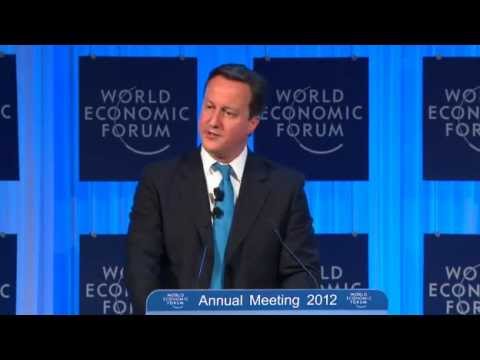
Frankie Why posted on 2014/08/18Want to understand the Eurozone Crisis and how to "Invest in Britain"? This video features David Cameron at the World Economic Forum, packed with advanced vocabulary and complex sentence structures perfect for boosting your workplace English. You'll gain cultural depth and knowledge about the European economy while practicing situational dialogue!
Learn this video on the APP!
The VoiceTube App has more in-depth practice for videos!