
achieve
US /əˈtʃiv/
UK /ə'tʃi:v/
- Transitive Verb
- To succeed in doing good, usually by working hard
- To succeed in reaching a particular goal, status, or standard, often after effort or perseverance.
A2TOEICMoreant
US /ænt/
UK /ænt/
- Countable Noun
- Insect with six legs that lives in large groups
B1Moreawful
US /ˈɔfəl/
UK /ˈɔ:fl/
- Adjective
- Very bad; horrible; terrible
A2Morebury
US /ˈbɛri/
UK /'berɪ/
- Transitive Verb
- To put something into the ground and cover it
B1Moreconversation
US /ˌkɑnvɚˈseʃən/
UK /ˌkɒnvəˈseɪʃn/
- Uncountable Noun
- Talking with other people; discussion or chat
- General communication or interaction.
A2Morecutter
US /ˈkʌtɚ/
UK /'kʌtə(r)/
- Noun
- A special tool used for cutting things
B2Moredeal with
US /dil wɪð/
UK /di:l wið/
- Verb (Transitive/Intransitive)
- To buy or sell goods or services.
- Phrasal Verb
- To take action to solve a problem or manage a situation.
- To be about; concern.
A1Moredisease
US /dɪˈziz/
UK /dɪˈzi:z/
- Noun (Countable/Uncountable)
- Illness that affects a person, animal, or plant
- A disorder of structure or function in a plant, especially one caused by a pathogen.
- Transitive Verb
- To affect with disease; to corrupt or sicken.
A2TOEICMoredisgust
US /dɪsˈɡʌst/
UK /dɪs'ɡʌst/
- Uncountable Noun
- Strong feeling of dislike for something
- Something that causes a feeling of revulsion or strong disapproval.
- Transitive Verb
- To cause a strong negative reaction or feeling
B2Moredisgusting
US /dɪsˈɡʌstɪŋ/
UK /dɪsˈgʌstɪŋ/
- Adjective
- Having a very bad taste
- Extremely unpleasant or unacceptable.
- Transitive Verb
- To cause a strong negative reaction or feeling
B2Moredump
US /dʌmp/
UK /dʌmp/
- Transitive Verb
- To end a romantic relationship
- To put something somewhere without care
- Noun
- A place where waste or garbage is left.
- A copy of data from one part of a computer system to another.
B1Moredung
US /dʌŋ/
UK /dʌŋ/
- Uncountable Noun
- Excretion from animals
B2Moreecology
US /ɪˈkɑlədʒi/
UK /ɪ'kɒlədʒɪ/
- Uncountable Noun
- Study of plants, animals and their environments
B1Moreexclusively
US /ɪkˈsklusɪvlɪ/
UK /ɪk'sklu:sɪvlɪ/
- Adverb
- For the use of only one person or group
- Completely; without anything else being involved.
B2TOEICMoreextra
US /'ekstrə/
UK /'ekstrə/
- Adjective
- More than necessary; additional
- Of especially good quality or grade.
- Noun (Countable/Uncountable)
- Items more than you need; additional items
- Person who has a small part in a movie
A2Morefor example
US
UK
- Phrase
- As an illustration or instance.
for now
US /fɔr naʊ/
UK /fɔ: nau/
- Phrase
- Temporarily; for the present time.
- In the short term; for the immediate future.
A1Morein fact
US /ɪn fækt/
UK /in fækt/
- Adverb
- Used to emphasize the truth of a statement, especially one that contrasts with or contradicts something else.
- Used to introduce a more detailed or surprising piece of information.
- Phrase
- Used to emphasize the truth of a statement, especially one that is surprising or contrary to what might be expected.
C1Morein the past
US
UK
- Phrase
- During a former period of time; previously.
A1Moreinstinctively
US /ɪn'stɪŋktɪvlɪ/
UK /ɪn'stɪŋktɪvlɪ/
- Adverb
- Through intuition, not thought
B1TOEICMorelitter
US /ˈlɪtɚ/
UK /'lɪtə(r)/
- Countable Noun
- All the baby animals born at once from one mother
- Intransitive Verb
- To give birth to more than one animal at once
B1TOEICMoremention
US /ˈmɛnʃən/
UK /'menʃn/
- Transitive Verb
- To refer to or talk or write about something
- Uncountable Noun
- Act of referring to or talking about something
- A formal acknowledgement of something
A2TOEICMorenausea
US /ˈnɔziə, -ʒə, -siə, -ʃə/
UK /ˈnɔ:ziə/
- Uncountable Noun
- Feeling of sickness so that you feel like vomiting
- A feeling of revulsion; disgust.
B2Moreon the other hand
US
UK
- Phrase
- Considering a different aspect of the matter; alternatively.
A1Moreout of sight, out of mind
US /aʊt əv saɪt aʊt əv maɪnd/
UK /aut əv saɪt aut əv maɪnd/
- Proverb
- People forget things or people when not seen regularly.
B1Moreparliament
US /ˈpɑrləmənt/
UK /ˈpɑ:ləmənt/
- Noun
- Elected officials who govern a country (in the UK)
- Period when the Uk government is in session
A2Morepee
US /pi/
UK /pi:/
- Intransitive Verb
- To urinate
B2Morephrase
US /frez/
UK /freɪz/
- Noun
- Common expression or saying
- Section of musical notes in a piece of music
- Verb (Transitive/Intransitive)
- To choose words to say what you mean clearly
A2Moreplastic
US /ˈplæstɪk/
UK /'plæstɪk/
- Uncountable Noun
- Stiff but usually flexible man-made material
- Adjective
- Being easily formed or shaped
A2Morepoo
US
UK
- Uncountable Noun
- Feces
C2Morepour
US /pɔr, por/
UK /pɔ:(r)/
- Verb (Transitive/Intransitive)
- To fill a person's glass or cup with a drink
- To make something flow in a steady stream
A2Morepsychological
US /ˌsaɪkəˈlɑdʒɪkəl/
UK /ˌsaɪkəˈlɒdʒɪkl/
- Adjective
- Concerning the study of the mind
- Relating to or involving the use of propaganda, threats, or other psychological techniques to subdue an opponent.
A2Morequiz
US /kwɪz/
UK /kwɪz/
- Noun (Countable/Uncountable)
- A game in which players answer questions on topics
- Brief spoken or written test, given to students
- Transitive Verb
- To ask a person many questions about something
B1Morequiz question
US
UK
- Countable Noun
- A question asked in a quiz to test someone's knowledge.
A2Morereach
US /ritʃ/
UK /ri:tʃ/
- Verb (Transitive/Intransitive)
- To come to or arrive at a goal or destination
- To be long enough to get to a certain place
- Uncountable Noun
- Power or control someone has over something
A2TOEICMorereaction
US /riˈækʃən/
UK /rɪ'ækʃn/
- Noun
- Bodily response to a drug or something eaten
- Feeling or action in response to something
A2Morerecap
US /riˈkæp/
UK /'ri:kæp/
- Noun
- Brief description of something that had been said
- Transitive Verb
- To describe or summarize the main points
C1TOEICMoresanitation
US /ˌsænɪˈteʃən/
UK /ˌsænɪˈteɪʃn/
- Uncountable Noun
- Water systems that protect people's health
C1Moresewage
US /ˈsuɪdʒ/
UK /ˈsu:ɪdʒ/
- Uncountable Noun
- Waste matter/excrement carried away in sewers
B2Morespecific
US /spɪˈsɪfɪk/
UK /spəˈsɪfɪk/
- Adjective
- Precise; particular; just about that thing
- Concerning one particular thing or kind of thing
A2Morestench
US /stɛntʃ/
UK /stentʃ/
- Noun
- Very bad smell
C1Morestink
US /stɪŋk/
UK /stɪŋk/
- Intransitive Verb
- To smell terrible
B2Morestunk
US /stʌŋk/
UK /stʌŋk/
- Intransitive Verb
- To smell terrible
B2Moreterritorial
US /ˌtɛrɪˈtɔriəl, -ˈtor-/
UK /ˌterəˈtɔ:riəl/
- Adjective
- Associated with the ownership of an area
- Defensive of a space or area.
B1Moreterritory
US /ˈtɛrɪˌtɔri, -ˌtori/
UK /'terətrɪ/
- Noun (Countable/Uncountable)
- Area of land defended by an animal
- Area of particular knowledge or experience
B1TOEICMorethe whole story
US
UK
- Phrase
- The complete and unabridged account of something.
- The complete truth about a situation, including all the details.
A2Moreup the river
US /ʌp ði ˈrɪvɚ/
UK /ʌp ðə ˈrɪvə/
- other
- Sent to prison or in serious trouble.
B2Moreurine
US /ˈjʊrən/
UK /ˈjʊərɪn/
- Uncountable Noun
- Yellow liquid waste from the body
C1Moreused to
US /juzd tu/
UK /ˈju:st tə/
- Adjective
- Did regularly before, but don't do now
- Auxiliary Verb
- Have done before, but do not do now
A1Morevictorian
US /vɪkˈtɔriən, -ˈtor-/
UK /vɪkˈtɔ:riən/
- Adjective
- Typical of 19th century standards or conduct
B1Morevocabulary
US /voˈkæbjəˌlɛri/
UK /və'kæbjələrɪ/
- Uncountable Noun
- Words that have to do with a particular subject
- The words that a person knows
B1TOEICMorevomit
US /ˈvɑ:mɪt/
UK /ˈvɒmɪt/
- Noun (Countable/Uncountable)
- Food coming back up from stomach, due to illness
- Verb (Transitive/Intransitive)
- To bring (blood, etc.) up and out of mouth
B2Morewaste
US /west/
UK /weɪst/
- Transitive Verb
- To kill or severely harm someone
- To use valuable things ineffectively
- Uncountable Noun
- Materials left over after a process has finished
A2TOEICMore
Vocabulary
- in fact: Used to emphasize the truth of a statement, especially one that contrasts with or contradicts something else.
- for example: As an illustration or instance.
- out of sight, out of mind: People forget things or people when not seen regularly.
- quiz question: A question asked in a quiz to test someone's knowledge.
- the whole story: The complete and unabridged account of something.
- on the other hand : Considering a different aspect of the matter; alternatively.
- in the past: During a former period of time; previously.
- used to: Did regularly before, but don't do now
- deal with
- up the river: Sent to prison or in serious trouble.
- for now: Temporarily; for the present time.
- specific: Precise; particular; just about that thing
- phrase: Common expression or saying
- recap: Brief description of something that had been said
- vocabulary: Words that have to do with a particular subject
- psychological: Concerning the study of the mind
- conversation: Talking with other people; discussion or chat
- achieve: To succeed in doing good, usually by working hard
- awful: Very bad; horrible; terrible
- disease: Illness that affects a person, animal, or plant
- parliament: Elected officials who govern a country (in the UK)
- environment: Natural world in which plants and animals live
- territory: Area of land defended by an animal
- nausea: Feeling of sickness so that you feel like vomiting
- dump: To end a romantic relationship
- mean: Average of a set of numbers
- mention: To refer to or talk or write about something
- reach: To come to or arrive at a goal or destination
- exclusively: For the use of only one person or group
- explain: To make clear or easy to understand by describing
- vomit: Food coming back up from stomach, due to illness
- reaction: Bodily response to a drug or something eaten
- extra: More than necessary; additional
- pour: To fill a person's glass or cup with a drink
- compare: To consider how similar and different things are
- sewage: Waste matter/excrement carried away in sewers
- disgusting: Having a very bad taste
- sanitation: Water systems that protect people's health
- urine: Yellow liquid waste from the body
- quiz: A game in which players answer questions on topics
- instinctively: Through intuition, not thought
- mind: To be bothered or upset by something
- leave: To go away from; depart
- stink: To smell terrible
- bury: To put something into the ground and cover it
- plastic: Stiff but usually flexible man-made material
- waste: To kill or severely harm someone
- learn: To get knowledge or skills by study or experience
- fact: Something that is known or proved to be true
- programme: A plan or schedule of events
- modern: Of the present time; up to date; contemporary
- litter: All the baby animals born at once from one mother
- great: Very good; better than before
- question: To ask for or try to get information
- hard: Difficult to do; difficult to understand
- minute: Notes taken at a meeting to record what was said
- disgust: Strong feeling of dislike for something
- start: First time or place that a thing exists; beginning
- stench: Very bad smell
- pee: To urinate
- territorial: Associated with the ownership of an area
- dung: Excretion from animals
- ecology: Study of plants, animals and their environments
- poo: Feces
- ant: Insect with six legs that lives in large groups
- cutter: A special tool used for cutting things
- victorian: Typical of 19th century standards or conduct
- stunk: To smell terrible
Get the full experience in the app
Learn anywhere with detailed sentence and usage analysis
01:03
She took a brave step forward, leaving behind her comfort zone to chase her dreams.
Vocabulary
- brave
adj. Having courage
- comfort zone
phr. A familiar situation where one feels safe
Explanation
a brave step is a noun phrase, where brave is an adjective modifying the noun step, meaning "a courageous step".
forward is an adverb modifying step, meaning "ahead".
The whole phrase serves as the object, answering the "what" of took (verb) — she took a brave step forward.
Get the full experience in the app
Look up words anytime with pronunciation, part of speech, and usage
brave
US/brev/
UK/breɪv/
adj.Brave
v.t.To bravely face
A2 Elementary
Get the full experience in the app
Practice speaking anytime and get instant pronunciation feedback
Try this speaking exercise.
Try practicing with this sentence.
80
0
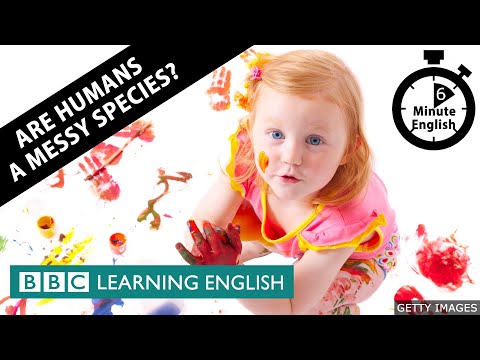
林宜悉 posted on 2021/09/03Ever wondered if humans are actually a pretty messy species compared to other animals? This 6 Minute English episode dives into the fascinating history of sanitation and hygiene, exploring why we might feel disgust. You'll pick up some fantastic new vocabulary and gain a deeper understanding of human behavior!
Learn this video on the APP!
The VoiceTube App has more in-depth practice for videos!