
agriculture
US /ˈæɡrɪˌkʌltʃɚ/
UK /ˈægrɪkʌltʃə(r)/
- Uncountable Noun
- The science of farming
- The study of farming and related sciences.
A2Moreas well as
US /æz wɛl æz/
UK /æz wel æz/
- Adverb
- Also; in addition to
- Preposition
- In addition to; and also.
A1Morebathroom
US /ˈbæθru:m/
UK /ˈbɑ:θru:m/
- Noun
- Room where you take a bath or go to the toilet
B1Morebreed
US /brid/
UK /bri:d/
- Noun
- Kind of / sort of
- Particular kind of animal, e.g. a Labrador dog
- Verb (Transitive/Intransitive)
- To create situations for a (bad) thing to happen
- To produce baby animals of specific kinds
A2Morecaptivity
US /kæpˈtɪvɪti/
UK /kæp'tɪvətɪ/
- Uncountable Noun
- State of being held against your will (in prison)
B1Morechamber
US /ˈtʃembɚ/
UK /'tʃeɪmbə(r)/
- Countable Noun
- Enclosed space that contains something
- Large room that is used for official meetings
B1TOEICMoreclimate
US /ˈklaɪmɪt/
UK /ˈklaɪmət/
- Noun (Countable/Uncountable)
- Typical weather conditions in a particular place
- The general attitudes, feelings, or opinions that people have at a particular time.
A2Morecome down with
US /kʌm daʊn wɪð/
UK /kʌm daun wið/
- Phrasal Verb
- To become ill with a disease or illness
A1Moreconcern
US /kənˈsɚn/
UK /kənˈsɜ:n/
- Verb (Transitive/Intransitive)
- To be about a particular topic
- To have a direct impact on someone
- Noun (Countable/Uncountable)
- Company, firm or business
- Feeling of worry or anxiety
A2TOEICMoredairy
US /ˈderi/
UK /ˈdeəri/
- Adjective
- Concerning or made from milk
- Noun (Countable/Uncountable)
- Building for storing milk or making cheese/butter
B2Moredigest
US /daɪˈdʒest/
UK /daɪˈdʒest/
- Verb (Transitive/Intransitive)
- To convert food into energy in your stomach
- To think over facts, news etc.; take in information
- Noun
- A summary, as of the news
B2Moredomesticate
US /dəˈmɛstɪˌket/
UK /də'mestɪkeɪt/
- Transitive Verb
- To train an animal as a pet or to do work; tame
- To breed a plant to be used or consumed by humans
C1Moredown with
US /daʊn wɪð/
UK /daun wið/
- Adjective
- Suffering from an illness.
- Agreeable to; in favor of.
- Interjection
- An expression of opposition to something.
A1Moredue to
US /du tu/
UK /dju: tu:/
- Preposition
- Because of; owing to
- Adjective
- Attributable to; caused by.
A1Moredwarf
US /dwɔrf/
UK /dwɔ:f/
- Noun
- Person of short stature, due to medical condition
B2TOEICMoreescape
US /ɪˈskep/
UK /ɪ'skeɪp/
- Noun (Countable/Uncountable)
- Act to briefly ignoring boring or bad things
- The 'esc key' on a keyboard
- Verb (Transitive/Intransitive)
- To avoid something undesirable, dangerous or bad
- To get away from a place where you are being kept
A2Moreexpand
US /ɪkˈspænd/
UK /ɪk'spænd/
- Verb (Transitive/Intransitive)
- To make something larger in size, number, amount
A2TOEICMorehamster
US /ˈhæmstɚ/
UK /ˈhæmstə(r)/
- Countable Noun
- Small animal with small tail, and large cheeks
B2Morehoard
US /hɔ:rd/
UK /hɔ:d/
- Noun (Countable/Uncountable)
- Large amount of hidden (valuable) items
- Transitive Verb
- To keep a large amount of hidden (valuable) items
B2Morein fact
US /ɪn fækt/
UK /in fækt/
- Adverb
- Used to emphasize the truth of a statement, especially one that contrasts with or contradicts something else.
- Used to introduce a more detailed or surprising piece of information.
- Phrase
- Used to emphasize the truth of a statement, especially one that is surprising or contrary to what might be expected.
C1Morein places
US
UK
- Phrase
- In some locations but not others
A1Moreinteract
US /ˌɪntɚˈækt/
UK /ˌɪntər'ækt/
- Intransitive Verb
- To talk or do things with each other
A2Moreinteract with
US /ˌɪntɚˈækt wɪð/
UK /ˌɪntərˈækt wið/
- Phrase
- Verb (Transitive/Intransitive)
- To engage in communication or action involving mutual or reciprocal influence.
- To use a computer interface to achieve a specific goal.
A2Morelack
US /læk/
UK /læk/
- Verb (Transitive/Intransitive)
- To not have, or not have enough, of something
- Uncountable Noun
- The state of not having or not having enough of
A2TOEICMorelead to
US /lid tu/
UK /li:d tu:/
- Phrasal Verb
- To result in some action
- Verb (Transitive/Intransitive)
- To have something as a consequence or result.
A1Morelean
US /lin/
UK /li:n/
- Verb (Transitive/Intransitive)
- To balance against or on something for support
- To have a tendency to do something; favor
- Adjective
- Having a low fat content
- Efficient; well-designed with no waste
A2Moremalnutrition
US /ˌmælnu:ˈtrɪʃn/
UK /ˌmælnju:ˈtrɪʃn/
- Uncountable Noun
- Not having enough to eat, or having a poor diet
C1Moremedical research
US
UK
- Uncountable Noun
- Scientific investigation to improve medical knowledge and treatments.
B2Morenative
US /ˈnetɪv/
UK /ˈneɪtɪv/
- Noun (Countable/Uncountable)
- Someone from or born in a specific country
- Original inhabitant, e.g. before others
- Adjective
- Caused by natural ability; innate
A2Morenest
US /nɛst/
UK /nest/
- Noun (Countable/Uncountable)
- Home, e.g. of twigs, made by a bird, insect etc.
- Things designed to fit together
- Intransitive Verb
- To create or live in a nest
- To settle comfortably within or against something.
B1Moreof age
US /əv eɪdʒ/
UK /əv eɪdʒ/
- other
- Having reached the legal age of adulthood.
A2Moreout there
US /aʊt ðɛr/
UK /aut ðɛə/
- Adverb
- In or to a place that is far away
- Existing in the universe
- Adjective
- Unconventional; strange; avant-garde
- Existing or available.
A1Morephysically
US /ˈfɪzɪkəlɪ/
UK /'fɪzɪklɪ/
- Adverb
- In a manner related to the body
- Concerning reality or the laws of nature
A2Morepredator
US /ˈprɛdətɚ, -ˌtɔr/
UK /'predətə(r)/
- Countable Noun
- An animal that hunts and kills other animals
- Person preying on the weak to gain advantage
B1Morerather than
US
UK
- Adverb
- More exactly; more correctly
- Preferably; instead
- Preposition
- Instead of
A1Morereflex
US /ˈriˌflɛks/
UK /ˈri:fleks/
- Noun
- Body's physical reaction done unconsciously
- Response done quickly and without thinking
B2Moreresearch
US /rɪˈsɚtʃ, ˈriˌsɚtʃ/
UK /rɪ'sɜ:tʃ/
- Verb (Transitive/Intransitive)
- To study in order to discover new ideas and facts
- To study the market relating to marketing products and services.
- Noun (Countable/Uncountable)
- Study done to discover new ideas and facts
- A particular area or topic of study.
A2TOEICMorescent
US /sɛnt/
UK /sent/
- Transitive Verb
- To become aware of the presence of a smell, etc.
- To add smell to something
- Noun
- Pleasant smell, as of flowers or perfume
B1TOEICMoresolitary
US /ˈsɑlɪˌtɛri/
UK /'sɒlətrɪ/
- Adjective
- Done alone; spending a lot of time alone
- Noun
- A punishment to keep a person alone in a cell
- A person who chooses to live alone
B2Morestress
US / strɛs/
UK /stres/
- Transitive Verb
- To emphasize one or more parts of a word, sentence
- To put pressure on something or someone
- Noun (Countable/Uncountable)
- Emphasis on part of a word or sentence
- Pressure on something or someone
A2TOEICMoresuch as
US /sʌtʃ æz/
UK /sʌtʃ æz/
- Preposition
- For example; like
A1Moreto death
US /tu dɛθ/
UK /tu: deθ/
- Phrase
- Extremely; to a great degree
- Until death
B1Morevariety
US /vəˈraɪɪti/
UK /və'raɪətɪ/
- Noun
- Particular type of thing or person
- The quality or state of being different or diverse; the absence of uniformity, sameness, or monotony.
A2TOEICMorevision
US /ˈvɪʒən/
UK /'vɪʒn/
- Uncountable Noun
- Ability to see; eyesight
- Something you see in your imagination or dreams
A2Morevulnerable
US /ˈvʌlnərəbəl/
UK /ˈvʌlnərəbl/
- Adjective
- Being open to attack or damage
- Being easily harmed, hurt, or wounded
B1More
Vocabulary
- due to: Because of; owing to
- as well as: Also; in addition to
- such as: For example; like
- out there: In or to a place that is far away
- interact with
- down with: Suffering from an illness.
- come down with: To become ill with a disease or illness
- in places: In some locations but not others
- to death: Extremely; to a great degree
- lead to: To result in some action
- of age: Having reached the legal age of adulthood.
- in fact: Used to emphasize the truth of a statement, especially one that contrasts with or contradicts something else.
- rather than: More exactly; more correctly
- medical research: Scientific investigation to improve medical knowledge and treatments.
- vulnerable: Being open to attack or damage
- native: Someone from or born in a specific country
- common: Area in a city or town that is open to everyone
- consider: To think carefully about something
- variety: Particular type of thing or person
- interact: To talk or do things with each other
- climate: Typical weather conditions in a particular place
- stress: To emphasize one or more parts of a word, sentence
- research: To study in order to discover new ideas and facts
- solitary: Done alone; spending a lot of time alone
- increase: To make or become larger in size or amount
- lack: To not have, or not have enough, of something
- lean: To balance against or on something for support
- predator: An animal that hunts and kills other animals
- escape: Act to briefly ignoring boring or bad things
- concern: To be about a particular topic
- similar: Nearly the same; alike
- physically: In a manner related to the body
- digest: To convert food into energy in your stomach
- dairy: Concerning or made from milk
- expand: To make something larger in size, number, amount
- vision: Ability to see; eyesight
- pretty: Being attractive to the eye in a simple way
- create: To make, cause, or bring into existence
- breed: Kind of / sort of
- scent: To become aware of the presence of a smell, etc.
- reason: To think and make conclusions in a logical manner
- due: When something is required or expected
- throw: To use your arm to make something fly in the air
- agriculture: The science of farming
- lead: Wire for electricity, computer, etc.; cable
- ground: To break (coffee, etc.) into tiny bits with machine
- chamber: Enclosed space that contains something
- produce: Fresh foods such as fruits and vegetables
- sign: Indication that something exists or will happen
- learn: To get knowledge or skills by study or experience
- fact: Something that is known or proved to be true
- malnutrition: Not having enough to eat, or having a poor diet
- hoard: Large amount of hidden (valuable) items
- dwarf: Person of short stature, due to medical condition
- hamster: Small animal with small tail, and large cheeks
- reflex: Body's physical reaction done unconsciously
- captivity: State of being held against your will (in prison)
- nest: Home, e.g. of twigs, made by a bird, insect etc.
- domesticate: To train an animal as a pet or to do work; tame
- bathroom: Room where you take a bath or go to the toilet
Get the full experience in the app
Learn anywhere with detailed sentence and usage analysis
01:03
She took a brave step forward, leaving behind her comfort zone to chase her dreams.
Vocabulary
- brave
adj. Having courage
- comfort zone
phr. A familiar situation where one feels safe
Explanation
a brave step is a noun phrase, where brave is an adjective modifying the noun step, meaning "a courageous step".
forward is an adverb modifying step, meaning "ahead".
The whole phrase serves as the object, answering the "what" of took (verb) — she took a brave step forward.
Get the full experience in the app
Look up words anytime with pronunciation, part of speech, and usage
brave
US/brev/
UK/breɪv/
adj.Brave
v.t.To bravely face
A2 Elementary
Get the full experience in the app
Practice speaking anytime and get instant pronunciation feedback
Try this speaking exercise.
Try practicing with this sentence.
80
0
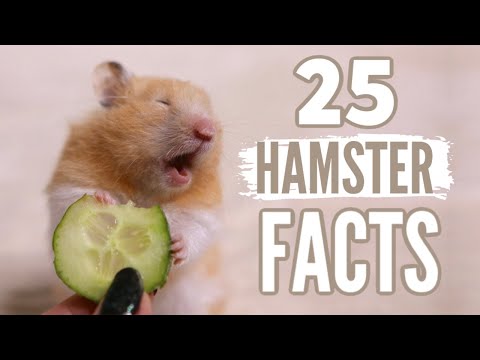
Elise Chuang posted on 2021/07/13Ever wondered about those adorable cheek pouches or why hamsters hoard food? This video dives into 25 surprising facts about hamsters, from their wild origins to their unique behaviors, perfect for boosting your advanced vocabulary and understanding complex sentence structures. You'll pick up fascinating knowledge that's surprisingly practical for any pet lover!
Learn this video on the APP!
The VoiceTube App has more in-depth practice for videos!