
acknowledge
US /ækˈnɑlɪdʒ/
UK /ək'nɒlɪdʒ/
- Transitive Verb
- To say you have received a letter, gift, etc.
- To say you accept the truth or value of something
A2Moreadmit
US /ædˈmɪt/
UK /əd'mɪt/
- Transitive Verb
- To acknowledge that something is true or right
- To allow someone to enter
A2TOEICMoreanxiety
US /æŋˈzaɪɪti/
UK /æŋ'zaɪətɪ/
- Uncountable Noun
- A feeling of worry, nervousness, or unease about something that might happen, especially when the outcome is uncertain.
B1Moreargument
US /ˈɑrɡjəmənt/
UK /ˈɑ:gjumənt/
- Noun (Countable/Uncountable)
- Discussion in which you disagree with someone
- A presentation of reasons for or against an idea
A2TOEICMoreat bay
US /æt be/
UK /æt bei/
- Phrase
- Kept at a distance; held back.
A1Morecalm
US /kɑm/
UK /kɑ:m/
- Adjective
- Without wind or storm; quiet; peaceful
- Relaxed and not worried or angry
- Verb (Transitive/Intransitive)
- To make or become relaxed and not worried or angry
A2Morecalm down
US /kɑm daʊn/
UK /kɑ:m daun/
- Phrasal Verb
- To make or become relaxed after being stressed
A2Morecomment
US /ˈkɑmɛnt/
UK /'kɒment/
- Noun (Countable/Uncountable)
- Something you say, giving an opinion; remark
- An explanatory note in a computer program.
- Verb (Transitive/Intransitive)
- To say something that gives your opinion
- To add explanatory notes to a computer program.
A2Morecommunicate
US /kəˈmjunɪˌket/
UK /kə'mju:nɪkeɪt/
- Verb (Transitive/Intransitive)
- To give and exchange information
- To convey or make known (information, feelings, etc.)
A2Moreconduct
US / kənˈdʌkt/
UK /kənˈdʌkt/
- Uncountable Noun
- Your behavior
- Verb (Transitive/Intransitive)
- To behave in a certain way; e.g. at a party
- To let electricity or heat travel through
B1TOEICMorecope
US /koʊp/
UK /kəʊp/
- Verb (Transitive/Intransitive)
- To deal with something in spite of difficulties
A2Moredistract
US /dɪˈstrækt/
UK /dɪ'strækt/
- Transitive Verb
- To draw someone's attention away from something
B1TOEICMoredramatic
US /drəˈmætɪk/
UK /drəˈmætɪk/
- Adjective
- Gripping the attention; causing an effect
- (Of an event) sudden and extreme
B1Moredummy
US /ˈdʌmi/
UK /'dʌmɪ/
- Adjective
- Being a cover for or serving as a front for
- Noun (Countable/Uncountable)
- Life-size doll made to look like a person
- Sample or trial of a process or object
B2Moreempathize
US /ˈɛmpəˌθaɪz/
UK /'empəθaɪz/
- Intransitive Verb
- To imagine or understand how others feel
B2Moreepic
US /ˈɛpɪk/
UK /'epɪk/
- Adjective
- Going on for a long time; awe-inspiring
- Noun
- A long story, often about many people and events
B2Moreextreme
US /ɪkˈstrim/
UK /ɪk'stri:m/
- Adjective
- Very great in degree
- Farthest from a center
- Noun
- Effort that is thought more than is necessary
- The furthest point or limit of something.
B1Morefamiliar
US /fəˈmɪljɚ/
UK /fəˈmɪliə(r)/
- Adjective
- Well-known or easily recognized
- Having a good knowledge of something.
- Noun
- A close friend or associate.
- (In folklore) a spirit, often in animal form, believed to attend and serve a witch.
A2TOEICMorefeel like
US
UK
- Intransitive Verb
- To have a desire or inclination for something.
- To have a particular quality or sensation; resemble.
A1Morefigure out
US /ˈfɪɡjɚ aʊt/
UK /ˈfiɡə aut/
- Phrasal Verb
- To understand the behavior of someone
- To think through logically to find a solution
- Verb (Transitive/Intransitive)
- To understand or find an answer to something.
- To find a solution to a problem or understand something.
A1Morefor example
US
UK
- Phrase
- As an illustration or instance.
found out
US
UK
- Phrasal Verb
- To learn or discover something, often after some effort.
- To become known; be revealed.
B2Moregrip
US /ɡrɪp/
UK /ɡrɪp/
- Verb (Transitive/Intransitive)
- To hold someone's interest
- To hold something in your hand very firmly
- Noun (Countable/Uncountable)
- Strong understanding of an idea
- Control over something or someone
A2Morehang
US /hæŋ/
UK /hæŋ/
- Transitive Verb
- To attach a picture, photograph etc. onto a wall
- To kill by putting a rope around neck and dropping
- Intransitive Verb
- To float, move softly, or remain in the air
- To remain undecided, unsolved or unclear
A2Morehang out
US /hæŋ aʊt/
UK /hæŋ aut/
- Phrasal Verb
- To spend time with your friends
- To spend times with friends or relax doing nothing
A2Morehanging out
US
UK
- Phrasal Verb
- To spend time with your friends
- To spend times with friends or relax doing nothing
A2Morehave to
US /hæv tu/
UK /ˈhæv tə/
- Auxiliary Verb
- Must do
A1Morehazard
US /ˈhæzəd/
UK /'hæzəd/
- Noun (Countable/Uncountable)
- Something that is dangerous and causes problems
- Something that is dangerous and likely to cause damage.
- Verb (Transitive/Intransitive)
- To try, with the risk of being wrong or losing
B1TOEICMorehorror
US /ˈhɔrɚ, ˈhɑr-/
UK /ˈhɒrə(r)/
- Noun (Countable/Uncountable)
- Feeling of great shock or fear; thing causing it
B1Moreinsecurity
US /ˌɪnsɪˈkjʊrətɪ/
UK /ˌɪnsɪ'kjʊərətɪ/
- Uncountable Noun
- Lack of confidence or certainty about yourself
- State of feeling unsafe
B1Moreinteract
US /ˌɪntɚˈækt/
UK /ˌɪntər'ækt/
- Intransitive Verb
- To talk or do things with each other
A2Moreinteract with
US /ˌɪntɚˈækt wɪð/
UK /ˌɪntərˈækt wið/
- Phrase
- Verb (Transitive/Intransitive)
- To engage in communication or action involving mutual or reciprocal influence.
- To use a computer interface to achieve a specific goal.
A2Morejealous
US /ˈdʒɛləs/
UK /ˈdʒeləs/
- Adjective
- Wishing you were like someone or had their things
A2Morejournal
US /ˈdʒɚnəl/
UK /ˈdʒə:nl/
- Noun (Countable/Uncountable)
- A diary; record of what you do every day
- Magazine of academic papers
B1TOEICMoreoccupational
US /ˌɑ:kjuˈpeɪʃənl/
UK /ˌɒkjuˈpeɪʃənl/
- Adjective
- Concerning your job or career
B2Moreon paper
US /ɑn ˈpeɪpər/
UK /ɔn ˈpeipə/
- Phrase
- In theory or as a plan, but not necessarily in reality.
- Recorded in writing; documented.
A1Morerace
US /res/
UK /reɪs/
- Noun (Countable/Uncountable)
- Speed contest between people, animals or vehicles
- People who share physical features or culture
- Intransitive Verb
- To take part in a running or swimming competition
- To move or go at a very fast pace
A2Morerecap
US /riˈkæp/
UK /'ri:kæp/
- Noun
- Brief description of something that had been said
- Transitive Verb
- To describe or summarize the main points
C1TOEICMoreregain
US /riˈɡen/
UK /rɪ'ɡeɪn/
- Transitive Verb
- To get something back that had been lost
B1Moreresolve
US /rɪˈzɑlv/
UK /rɪ'zɒlv/
- Verb (Transitive/Intransitive)
- To make a decision to do something
- To find an answer, solution to a problem/ question
- Uncountable Noun
- Firm determination to do something.
B1TOEICMoreruin
US /ˈruɪn/
UK /'ru:ɪn/
- Transitive Verb
- To damage or completely destroy something
- To cause someone to lose their money or status
- Noun (Countable/Uncountable)
- Remains of a building that has been destroyed
- The state of being destroyed or severely damaged.
B1Moreseparate
US /'sepəreɪt/
UK /'sepəreɪt/
- Adjective
- Being different from or unrelated to another
- Not connected; different.
- Transitive Verb
- To divide two things by being in between them
- To move things away from each other
A2TOEICMoresitcom
US /ˈsɪtˌkɑm/
UK /'sɪtkɒm/
- Noun
- Humorous drama based on day-to-day life
C1Morespecific
US /spɪˈsɪfɪk/
UK /spəˈsɪfɪk/
- Adjective
- Precise; particular; just about that thing
- Concerning one particular thing or kind of thing
A2Moretake out
US /tek aʊt/
UK /teik aut/
- Phrasal Verb
- To apply for and get a license
- To take someone on a date
- Uncountable Noun
- Food purchased at a restaurant to eat elsewhere.
A1Moretalking about
US
UK
- Phrasal Verb
- To discuss a particular topic.
- To be constantly mentioning or bringing up a subject.
A1Morethe bottom line
US /ði ˈbɑtəm laɪn/
UK /ðə ˈbɔtəm lain/
- Noun
- The most important thing; the essential point.
- The net income or profit of a company.
A2Moreto let
US /tu lɛt/
UK /tu let/
- Preposition
- Indicates that a property is available for rent.
A2Moreultimately
US /ˈʌltəmɪtli/
UK /ˈʌltɪmətli/
- Adverb
- Done or considered as the final and most important
- Fundamentally; at the most basic level.
B1TOEICMoreunder control
US /ˈʌndɚ kənˈtrol/
UK /ˈʌndə kənˈtrəul/
- Adjective
- Being managed or restrained; not out of hand.
- Having one's emotions or impulses restrained.
- Phrase
- A situation that is being managed effectively.
C1Moreunrealistic
US /ˌʌnri:əˈlɪstɪk/
UK /ˌʌnrɪəˈlɪstɪk/
- Adjective
- Not seeing or interpreting things as they are
B1Morevice
US /ˌvaɪ.sə/
UK /ˌvaɪs/
- Noun
- used as part of the title of particular positions. The person who holds one of these positions is next below in authority to the person who holds the full position and can act for them
- Noun (Countable/Uncountable)
- a moral fault or weakness in someone's character
- illegal and immoral activities, especially involving illegal sex, drugs, etc.
B2Morevulnerable
US /ˈvʌlnərəbəl/
UK /ˈvʌlnərəbl/
- Adjective
- Being open to attack or damage
- Being easily harmed, hurt, or wounded
B1Morewanna
US /ˈwɑnə/
UK /'wɒnə/
- Verb (Transitive/Intransitive)
- Shortened form of 'want to'. Used only in speaking
B2Morewithout me
US
UK
- Phrase
- Not including me; excluding me.
A2Morework through
US
UK
- Phrasal Verb
- To deal with something systematically until it is completed
- To deal with a problem or difficult situation.
write down
US /raɪt daʊn/
UK /rait daun/
- Phrasal Verb
- To record in writing
A1More
Vocabulary
- take out: To apply for and get a license
- talking about: To discuss a particular topic.
- the bottom line: The most important thing; the essential point.
- work through: To deal with something systematically until it is completed
- interact with
- to let: Indicates that a property is available for rent.
- for example: As an illustration or instance.
- under control: Being managed or restrained; not out of hand.
- figure out: To understand the behavior of someone
- calm down: To make or become relaxed after being stressed
- write down: To record in writing
- found out: To learn or discover something, often after some effort.
- hanging out: To spend time with your friends
- without me: Not including me; excluding me.
- on paper: In theory or as a plan, but not necessarily in reality.
- hang out: To spend time with your friends
- feel like: To have a desire or inclination for something.
- have to: Must do
- at bay: Kept at a distance; held back.
- vulnerable: Being open to attack or damage
- ultimately: Done or considered as the final and most important
- anxiety: A feeling of worry, nervousness, or unease about something that might happen, especially when the outcome is uncertain.
- specific: Precise; particular; just about that thing
- figure: To appear in a game, play or event
- situation: Place, position or area that something is in
- recap: Brief description of something that had been said
- experience: Thing a person has done or that happened to them
- extreme: Very great in degree
- ruin: To damage or completely destroy something
- familiar: Well-known or easily recognized
- interact: To talk or do things with each other
- fear: Unpleasant feeling caused by being aware of danger
- express: To send something by fast mail
- distract: To draw someone's attention away from something
- epic: Going on for a long time; awe-inspiring
- admit: To acknowledge that something is true or right
- separate: Being different from or unrelated to another
- comment: Something you say, giving an opinion; remark
- calm: Without wind or storm; quiet; peaceful
- cope: To deal with something in spite of difficulties
- conduct: Your behavior
- acknowledge: To say you have received a letter, gift, etc.
- mean: Average of a set of numbers
- vice: used as part of the title of particular positions. The person who holds one of these positions is next below in authority to the person who holds the full position and can act for them
- state: Region within a country, with its own government
- dramatic: Gripping the attention; causing an effect
- similar: Nearly the same; alike
- grip: To hold someone's interest
- address: Exact street location of a place
- journal: A diary; record of what you do every day
- jealous: Wishing you were like someone or had their things
- perform: To carry out an action well or successfully
- complete: To finish or reach the end of doing something
- pretty: Being attractive to the eye in a simple way
- communicate: To give and exchange information
- wanna: Shortened form of 'want to'. Used only in speaking
- argument: Discussion in which you disagree with someone
- project: To predict what will happen in the future
- hang: To attach a picture, photograph etc. onto a wall
- race: Speed contest between people, animals or vehicles
- unrealistic: Not seeing or interpreting things as they are
- totally: In a complete way; completely; absolutely
- resolve: To make a decision to do something
- hazard: Something that is dangerous and causes problems
- insecurity: Lack of confidence or certainty about yourself
- hit: To have a negative impact on a person/place/thing
- horror: Feeling of great shock or fear; thing causing it
- empathize: To imagine or understand how others feel
- dummy: Being a cover for or serving as a front for
- sitcom: Humorous drama based on day-to-day life
- regain: To get something back that had been lost
- occupational: Concerning your job or career
Get the full experience in the app
Learn anywhere with detailed sentence and usage analysis
01:03
She took a brave step forward, leaving behind her comfort zone to chase her dreams.
Vocabulary
- brave
adj. Having courage
- comfort zone
phr. A familiar situation where one feels safe
Explanation
a brave step is a noun phrase, where brave is an adjective modifying the noun step, meaning "a courageous step".
forward is an adverb modifying step, meaning "ahead".
The whole phrase serves as the object, answering the "what" of took (verb) — she took a brave step forward.
Get the full experience in the app
Look up words anytime with pronunciation, part of speech, and usage
brave
US/brev/
UK/breɪv/
adj.Brave
v.t.To bravely face
A2 Elementary
Get the full experience in the app
Practice speaking anytime and get instant pronunciation feedback
Try this speaking exercise.
Try practicing with this sentence.
80
0
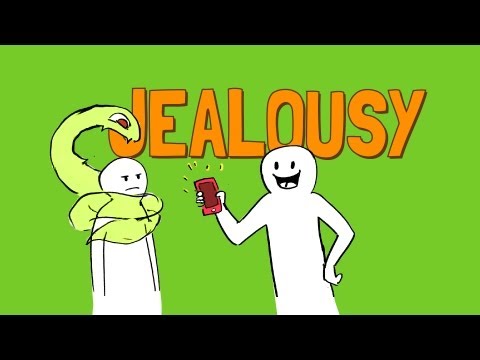
Go Tutor posted on 2022/04/02Ever felt that green-eyed monster creeping in? This video offers a super practical 3-step method to deal with jealousy and insecurity in your relationships, helping you communicate your feelings better. You'll pick up useful phrases for navigating these tricky situations and boost your self-help skills!
Learn this video on the APP!
The VoiceTube App has more in-depth practice for videos!