
addiction
US /əˈdɪkʃən/
UK /əˈdɪkʃn/
- Noun (Countable/Uncountable)
- Lack of control the overuse of something e.g. drugs
- A compulsive physiological need for a habit-forming substance.
B1TOEICMoreanxiety
US /æŋˈzaɪɪti/
UK /æŋ'zaɪətɪ/
- Uncountable Noun
- A feeling of worry, nervousness, or unease about something that might happen, especially when the outcome is uncertain.
B1Moreaspect
US /ˈæspɛkt/
UK /'æspekt/
- Noun (Countable/Uncountable)
- Way something looks or seems to be
- An element, feature, or quality of something
A2TOEICMoreassociation
US /əˌsoʊʃi'eɪʃn/
UK /əˌsəʊʃɪ'eɪʃn/
- Noun
- Organization of people with the same interest
B1TOEICMoreat least
US /æt list/
UK /æt li:st/
- Adverb
- As a minimum
- Not less than
- Phrase
- No less than; at the minimum
- Used to indicate that something is positive in a bad situation.
C2Moreat the same time
US
UK
- Phrase
- Simultaneously; at the identical moment.
- Nevertheless; however; used to introduce a contrasting or qualifying statement.
A1Morebased on
US
UK
- Phrasal Verb
- To use something as the foundation or starting point for something else.
- Preposition
- Using something as the main idea or foundation.
- Relying on something as evidence or justification.
A1Morecheck out
US /tʃɛk aʊt/
UK /tʃek aut/
- Phrase
- Phrasal Verb
- To find out information about something
- To take books out of a library
A1Morecondition
US /kənˈdɪʃən/
UK /kənˈdɪʃn/
- Transitive Verb
- To improve something to make it better
- To cause to behave automatically in a certain way
- Noun (Countable/Uncountable)
- Disease or other medical problem
- The state of living you are in, e.g. good health
A2Moreconstantly
US /ˈkɑnstəntlɪ/
UK /ˈkɒnstəntli/
- Adverb
- Frequently, or without pause
- In a way that is unchanging or faithful
B1Morecontent
US /ˈkɑnˌtɛnt/
UK /'kɒntent/
- Adjective
- Being happy or satisfied
- In a state of peaceful happiness.
- Noun (Countable/Uncountable)
- Information in something, e.g. book or computer
- The subject matter of a book, speech, etc.
A2Morecure
US /kjʊr/
UK /kjʊə(r)/
- Noun
- Something that solves a problem or makes it better
- Medical treatment making a sick person healthy
- Transitive Verb
- To fix or improve a problem
- To make someone healthy or make a disease go away
B1Morecuriosity
US /ˌkjʊriˈɑsɪti/
UK /ˌkjʊərɪ'ɒsətɪ/
- Noun (Countable/Uncountable)
- Something unusual and perhaps worthy of collecting
- Eager desire to learn more about something
B1Morecurrent
US /ˈkɚrənt, ˈkʌr-/
UK /'kʌrənt/
- Uncountable Noun
- Electricity flowing through wires
- Movement of water in a river, or air in the sky
- Adjective
- Happening or being in the present time
- In general use or accepted by most people.
A2Moredeficit
US /ˈdɛfɪsɪt/
UK /ˈdefɪsɪt/
- Noun (Countable/Uncountable)
- Amount less than what is needed or required
- The amount by which expenditure or liabilities exceed income or assets.
B1Moredefinition
US /ˌdɛfəˈnɪʃən/
UK /ˌdefɪˈnɪʃn/
- Noun (Countable/Uncountable)
- Explanation of word's meaning, as in dictionaries
- The sharpness of an image on a screen
A2TOEICMoredepression
US /dɪˈprɛʃən/
UK /dɪ'preʃn/
- Noun (Countable/Uncountable)
- Medical condition of a lack of vitality
- Period of unemployment and low economic activity
B2Morediagnose
US /ˌdaɪəgˈnoʊs/
UK /ˈdaɪəgnəʊz/
- Transitive Verb
- To determine the cause of an illness or problem
B1Morediagnosis
US /ˌdaɪəgˈnoʊsɪs/
UK /ˌdaɪəgˈnəʊsɪs/
- Noun (plural)
- Judgments by a doctor about a person's illness
- Noun
- The identification of a disease or condition.
B1Moredisorder
US /dɪsˈɔrdɚ/
UK /dɪs'ɔ:də(r)/
- Uncountable Noun
- State of confusion or a lack of organization
- Illness when the body is not functioning well
- Transitive Verb
- To disrupt the order or arrangement of something.
B2Moredo in
US
UK
- Phrasal Verb
- To make completely tired out and exhausted
- To destroy or cause damage to someone
A1Moredonate
US /ˈdoˌnet, doˈnet/
UK /dəʊ'neɪt/
- Transitive Verb
- To give money, etc. to charity, party, etc.
B1TOEICMoreemotional
US /ɪˈmoʃənəl/
UK /ɪˈməʊʃənl/
- Adjective
- Causing, feeling, or appealing to the emotions
- Relating to or characterized by emotion
A2Moreevolve
US /ɪˈvɑlv/
UK /ɪ'vɒlv/
- Verb (Transitive/Intransitive)
- To develop certain features
- To develop or change slowly over time
B1Moreexceptional
US /ɪkˈsɛpʃənəl/
UK /ɪkˈsepʃənl/
- Adjective
- Being extremely and unusually good
- (Of circumstance, etc.) being unusual; not normal
B2Moreexecutive
US /ɪɡˈzɛkjətɪv/
UK /ɪɡ'zekjətɪv/
- Noun (Countable/Uncountable)
- A senior manager in a business or organization
- The branch of government responsible for enforcing laws.
- Adjective
- Of a high ranking job in a company
- Relating to the management of a business or organization.
A2TOEICMorefidget
US /ˈfɪdʒɪt/
UK /'fɪdʒɪt/
- Intransitive Verb
- to make continuous, small movements because you are nervous or bored
- Noun
- a small movement that somebody makes repeatedly because they are nervous or bored
C1TOEICMorefor example
US
UK
- Phrase
- As an illustration or instance.
function
US /ˈfʌŋkʃən/
UK /'fʌŋkʃn/
- Noun
- Social event, or party such as a wedding
- Mathematical operation used in calculations
- Intransitive Verb
- To serve a certain purpose or role
- To be operating, working or achieving its purpose
A2TOEICMoreimpact
US /ˈɪmˌpækt/
UK /'ɪmpækt/
- Noun
- A striking effect or result to hit with force
- Act or force of one thing hitting something else
- Verb (Transitive/Intransitive)
- To hit or strike someone or something with force
- To have a strong effect on someone or something.
A2TOEICMoreimpairment
US /ɪmˈpermənt/
UK /ɪmˈpeəmənt/
- Uncountable Noun
- Damage leading to lower strength or quality
- A loss of function or ability.
B2Moreimpulsive
US /ɪmˈpʌlsɪv/
UK /ɪmˈpʌlsɪv/
- Adjective
- Acting without really thinking about it; rash
- (Psychology) Relating to or characterized by a sudden, involuntary inclination to do something.
B2Morein fact
US /ɪn fækt/
UK /in fækt/
- Adverb
- Used to emphasize the truth of a statement, especially one that contrasts with or contradicts something else.
- Used to introduce a more detailed or surprising piece of information.
- Phrase
- Used to emphasize the truth of a statement, especially one that is surprising or contrary to what might be expected.
C1Morein the future
US /ɪn ði ˈfjutʃɚ/
UK /in ðə ˈfju:tʃə/
- Phrase
- At a later time; in times to come.
A1Moreinterrupt
US /ˌɪntəˈrʌpt/
UK /ˌɪntə'rʌpt/
- Verb (Transitive/Intransitive)
- To stop something from happening for a while
- To stop someone from speaking by saying or doing something.
- Noun
- A signal that stops a computer from working on one thing and starts it working on something else.
B1TOEICMoremedication
US /ˌmɛdɪˈkeʃən/
UK /ˌmedɪˈkeɪʃn/
- Noun (Countable/Uncountable)
- Substance to relieve pain or cure sickness
B2Moreminimize
US /ˈmɪnəˌmaɪz/
UK /'mɪnɪmaɪz/
- Transitive Verb
- To make something seem small or less important
B1Moremultiple
US /ˈmʌltəpəl/
UK /ˈmʌltɪpl/
- Adjective
- Having or involving more than one of something
- Having or involving several parts, elements, or members.
- Countable Noun
- Number produced by multiplying a smaller number
- A number of identical circuit elements connected in parallel or series.
B1Morenegative
US /ˈnɛɡətɪv/
UK /'neɡətɪv/
- Noun
- The opposite to a positive electrical charge
- In grammar, containing words such as 'no' or 'not'
- Adjective
- Being harmful, unwanted or unhelpful
- In mathematics, being less than zero
A2Moreoutside the box
US
UK
- Phrase
- Thinking in a new and creative way.
- Adjective
- Innovative or unconventional.
A1Morepersist
US /pɚˈsɪst, -ˈzɪst/
UK /pə'sɪst/
- Intransitive Verb
- To continue a course of action despite opposition
- To continue to exist or occur beyond the usual, expected, or desired time.
B1TOEICMorepsychiatric
US
UK
- Adjective
- Concerning the treatment of the mind
B2Moreresearch
US /rɪˈsɚtʃ, ˈriˌsɚtʃ/
UK /rɪ'sɜ:tʃ/
- Verb (Transitive/Intransitive)
- To study in order to discover new ideas and facts
- To study the market relating to marketing products and services.
- Noun (Countable/Uncountable)
- Study done to discover new ideas and facts
- A particular area or topic of study.
A2TOEICMoresame time
US
UK
- Phrase
- Occurring simultaneously or at the same point in time.
- At the identical time as before; recurring at a fixed hour.
- Noun
- An equal duration or period.
A1Moreseparate
US /'sepəreɪt/
UK /'sepəreɪt/
- Adjective
- Being different from or unrelated to another
- Not connected; different.
- Transitive Verb
- To divide two things by being in between them
- To move things away from each other
A2TOEICMoresignificantly
US /sɪɡˈnɪfəkəntlɪ/
UK /sɪgˈnɪfɪkəntli/
- Adverb
- In a way that is important or noticeable
- In a way that is meaningful
A2Morestruggle
US /ˈstrʌɡəl/
UK /'strʌɡl/
- Verb (Transitive/Intransitive)
- To try very hard to do something difficult
- To fight or struggle violently
- Noun (Countable/Uncountable)
- Strong efforts made to do something difficult
- A difficult or challenging situation or task
A2Moresuch as
US /sʌtʃ æz/
UK /sʌtʃ æz/
- Preposition
- For example; like
A1Moretherapy
US /ˈθɛrəpi/
UK /'θerəpɪ/
- Noun (Countable/Uncountable)
- Treatment to help cure an illness
- Psychological counseling to help resolve personal or emotional problems.
B2Morethink of
US /θɪŋk ʌv/
UK /θiŋk ɔv/
- Phrasal Verb
- To look on as (being something specific); consider
- To consider or remember something.
- Verb (Transitive/Intransitive)
- To imagine or call something to mind
A1Morethink outside the box
US /θɪŋk aʊtˈsaɪd ðə bɑks/
UK /θɪŋk aʊtˈsaɪd ðə bɒks/
- other
- To think creatively and differently from usual ideas.
B2Moreunique
US /juˈnik/
UK /jʊ'ni:k/
- Adjective
- Unlike other things; being the only one like it
- Remarkably special or unusual.
A2TOEICMore
Vocabulary
- such as: For example; like
- at least: As a minimum
- based on: To use something as the foundation or starting point for something else.
- in fact: Used to emphasize the truth of a statement, especially one that contrasts with or contradicts something else.
- at the same time: Simultaneously; at the identical moment.
- same time: Occurring simultaneously or at the same point in time.
- think outside the box: To think creatively and differently from usual ideas.
- outside the box: Thinking in a new and creative way.
- for example: As an illustration or instance.
- check out
- think of: To look on as (being something specific); consider
- do in: To make completely tired out and exhausted
- in the future: At a later time; in times to come.
- anxiety: A feeling of worry, nervousness, or unease about something that might happen, especially when the outcome is uncertain.
- constantly: Frequently, or without pause
- struggle: To try very hard to do something difficult
- depression: Medical condition of a lack of vitality
- content: Being happy or satisfied
- present: Being in attendance; being there; having turned up
- aspect: Way something looks or seems to be
- multiple: Having or involving more than one of something
- term: Conditions applying to an agreement, contract
- impact: A striking effect or result to hit with force
- disorder: State of confusion or a lack of organization
- negative: The opposite to a positive electrical charge
- therapy: Treatment to help cure an illness
- evolve: To develop certain features
- common: Area in a city or town that is open to everyone
- executive: A senior manager in a business or organization
- develop: To explain something in steps and in detail
- emotional: Causing, feeling, or appealing to the emotions
- current: Electricity flowing through wires
- unique: Unlike other things; being the only one like it
- research: To study in order to discover new ideas and facts
- separate: Being different from or unrelated to another
- significantly: In a way that is important or noticeable
- exist: To be present, alive or real
- definition: Explanation of word's meaning, as in dictionaries
- function: Social event, or party such as a wedding
- brain: To strike someone forcefully on the head
- condition: To improve something to make it better
- series: Set of stories or articles on a particular subject
- addiction: Lack of control the overuse of something e.g. drugs
- impulsive: Acting without really thinking about it; rash
- association: Organization of people with the same interest
- address: Exact street location of a place
- explain: To make clear or easy to understand by describing
- curiosity: Something unusual and perhaps worthy of collecting
- interrupt: To stop something from happening for a while
- deficit: Amount less than what is needed or required
- risk: To do something potentially dangerous or foolish
- persist: To continue a course of action despite opposition
- cure: Something that solves a problem or makes it better
- diagnose: To determine the cause of an illness or problem
- manage: To survive hardships and difficulties; to cope
- learn: To get knowledge or skills by study or experience
- diagnosis: Judgments by a doctor about a person's illness
- exceptional: Being extremely and unusually good
- fact: Something that is known or proved to be true
- psychiatric: Concerning the treatment of the mind
- support: To give assistance or advice to someone
- impairment: Damage leading to lower strength or quality
- fidget: to make continuous, small movements because you are nervous or bored
- medication: Substance to relieve pain or cure sickness
- include: To make someone, something part of a group
- minimize: To make something seem small or less important
- donate: To give money, etc. to charity, party, etc.
Get the full experience in the app
Learn anywhere with detailed sentence and usage analysis
01:03
She took a brave step forward, leaving behind her comfort zone to chase her dreams.
Vocabulary
- brave
adj. Having courage
- comfort zone
phr. A familiar situation where one feels safe
Explanation
a brave step is a noun phrase, where brave is an adjective modifying the noun step, meaning "a courageous step".
forward is an adverb modifying step, meaning "ahead".
The whole phrase serves as the object, answering the "what" of took (verb) — she took a brave step forward.
Get the full experience in the app
Look up words anytime with pronunciation, part of speech, and usage
brave
US/brev/
UK/breɪv/
adj.Brave
v.t.To bravely face
A2 Elementary
Get the full experience in the app
Practice speaking anytime and get instant pronunciation feedback
Try this speaking exercise.
Try practicing with this sentence.
80
0
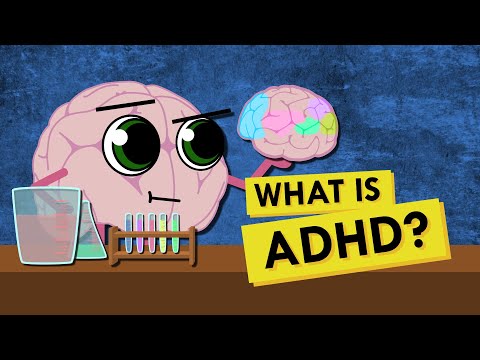
神谷菜々子 posted on 2021/06/01Ever wondered what ADHD really means and how it's diagnosed? This video dives deep into the DSM-5 criteria and explains complex concepts like executive function and emotional dysregulation, giving you tons of advanced vocabulary to boost your English!
Learn this video on the APP!
The VoiceTube App has more in-depth practice for videos!