
all the things
US
UK
- Pronoun
- Everything; all items or aspects
- Determiner
- Every item or object being considered or discussed.
A1Morearound the world
US /əˈraʊnd ði wɜrld/
UK /əˈraund ðə wɜː(r)ld/
- Phrase
- In or to many countries.
- In various places throughout the world.
A2Moreback into
US /bæk ˈɪntu/
UK /bæk ˈɪntuː/
- Phrasal Verb
- To drive a vehicle backwards into a space or area.
- To accidentally collide with something while moving backwards.
A1Morebased on
US
UK
- Phrasal Verb
- To use something as the foundation or starting point for something else.
- Preposition
- Using something as the main idea or foundation.
- Relying on something as evidence or justification.
A1Morecampaign
US /kæmˈpen/
UK /kæm'peɪn/
- Intransitive Verb
- To work in an organized, active way towards a goal
- Noun (Countable/Uncountable)
- Series of actions meant to achieve a goal
- A planned set of military activities intended to achieve a particular objective.
A2TOEICMorecome back
US /kʌm bæk/
UK /kʌm bæk/
- Phrasal Verb
- To reply to someone, often forcefully
- To be remembered
A1Morecome from
US /kʌm frʌm/
UK /kʌm frɔm/
- Phrasal Verb
- To have as your native country or city
A1Morecommunity
US /kəˈmjunɪti/
UK /kə'mju:nətɪ/
- Noun (Countable/Uncountable)
- Group of people who share a common idea or area
- A feeling of fellowship with others, as a result of sharing common attitudes, interests, and goals.
- Adjective
- Relating to or shared by the people in a particular area.
- Shared or participated in by all members of a group
A2Moredevelopment
US /dɪˈvɛləpmənt/
UK /dɪ'veləpmənt/
- Noun (Countable/Uncountable)
- Act or process of growing bigger or more advanced
- A new event related to a previous event
A2TOEICMorediarrhea
US /ˌdaɪəˈriə/
UK /ˌdaɪə'rɪə/
- Uncountable Noun
- Frequent and watery bowel movements
- Frequent and watery bowel movements
C1Moredo in
US
UK
- Phrasal Verb
- To make completely tired out and exhausted
- To destroy or cause damage to someone
A1Moreextension
US /ɪkˈstɛnʃən/
UK /ɪkˈstenʃn/
- Noun
- Addition to something, e.g. a house
- Suffix code of a computer file, e.g. .pdf, .jpg
- Adjective
- Adding extra length
B1TOEICMorefor a minute
US
UK
- Phrase
- For a short period of time; briefly.
- Used to indicate a sudden realization or thought.
A1Morego out
US /ɡo aʊt/
UK /ɡəu aut/
- Phrase
- To leave a building (e.g. a house)
- Phrasal Verb
- (Of a fire) to burn out; be extinguished
- Go out of fashion to stop being fashionable
A1Moregrow up
US /ɡro ʌp/
UK /ɡrəu ʌp/
- Phrasal Verb
- To develop from a child into an adult
A1Morehappiness
US /ˈhæpɪnɪs/
UK /'hæpɪnəs/
- Uncountable Noun
- State of feeling pleased; feeling of satisfaction
- A feeling of joy and contentment
A2Morehave to
US /hæv tu/
UK /ˈhæv tə/
- Auxiliary Verb
- Must do
A1Morein fact
US /ɪn fækt/
UK /in fækt/
- Adverb
- Used to emphasize the truth of a statement, especially one that contrasts with or contradicts something else.
- Used to introduce a more detailed or surprising piece of information.
- Phrase
- Used to emphasize the truth of a statement, especially one that is surprising or contrary to what might be expected.
C1Morein terms of
US
UK
- Phrase
- With regard to; concerning a particular aspect.
A1Morein the dark
US /ɪn ði dɑrk/
UK /in ðə dɑ:k/
- Adjective
- Uninformed about something; unaware.
- Phrase
- In a state of secrecy or ignorance.
- In a place with little or no light.
A1Morein the future
US /ɪn ði ˈfjutʃɚ/
UK /in ðə ˈfju:tʃə/
- Phrase
- At a later time; in times to come.
A1Morein the streets
US /ɪn ðə strits/
UK /ɪn ðə stri:ts/
- other
- Located or happening outdoors in public roads or areas.
A2Morein the world
US /ɪn ði wɜrld/
UK /in ðə wɜː(r)ld/
- Phrase
- Used to emphasize a question expressing surprise, confusion, disbelief
- Used to indicate the extent or degree of something, often in a superlative sense
A1Moreleave it there
US
UK
- Phrase
- To put something down and not move it from that location.
- To stop working on something and postpone it for later.
- Transitive Verb
- To allow something to remain at a specific location.
local
US /ˈloʊkl/
UK /ˈləʊkl/
- Noun
- Bus or train, that stops at most stations
- People who live in the area being discussed
- Adjective
- Relating to a particular area, city, or town
A2TOEICMorelook at
US /lʊk æt/
UK /luk æt/
- Phrasal Verb
- To use your eyes to focus on something
- To focus your eyes on something carefully
A1Morelook back
US /lʊk bæk/
UK /luk bæk/
- Phrasal Verb
- To think about past events
A1Moremop up
US /mɑp ʌp/
UK /mɔp ʌp/
- Phrasal Verb
- To clean a liquid from a surface by using a mop or cloth.
- To win easily or completely.
A1Moreon the ground
US
UK
- Phrase
- Located on the surface of the earth.
- Present and available in a particular place, especially to deal with a situation.
on time
US /ɑn taɪm/
UK /ɔn taim/
- Phrase
- Adjective
- Arriving at or done by the required time
- Meeting a deadline; punctual in fulfilling obligations.
A1Moreparalysis
US /pəˈrælɪsɪs/
UK /pəˈræləsɪs/
- Noun (plural)
- Inability to move or feel all or part of the body
C1Morepercent
US /pɚˈsɛnt/
UK /pə'sent/
- Adverb
- One one-hundredth of a whole; the symbol %
- Noun (Countable/Uncountable)
- A proportion multiplied by 100
- A specified amount in every hundred
A2TOEICMorerely on
US /rɪˈlaɪ ɑn/
UK /riˈlai ɔn/
- Phrasal Verb
- To depend on someone or something
A2Moreresult in
US /rɪˈzʌlt ɪn/
UK /riˈzʌlt in/
- Phrasal Verb
- To cause or produce as a consequence.
run short of
US
UK
- Phrasal Verb
- To have almost none of something left.
A1Morespeed up
US /spid ʌp/
UK /spi:d ʌp/
- Phrasal Verb
- To move more quickly
A2Moretake away from
US /tek əˈwe frʌm/
UK /teik əˈwei frɔm/
- Phrasal Verb
- To reduce the positive effect or value of something.
- To remove or detract from a particular quality or fact.
A1Moretap into
US /tæp ˈɪntu/
UK /tæp ˈɪntuː/
- Phrasal Verb
- To manage to use something in a way that brings you benefits
- To understand and express something that people are feeling
B1Morethink about
US /θɪŋk əˈbaʊt/
UK /θiŋk əˈbaut/
- Phrasal Verb
- To consider something carefully.
- To remember or call to mind.
A1More
Vocabulary
- come from: To have as your native country or city
- have to: Must do
- look at: To use your eyes to focus on something
- back into: To drive a vehicle backwards into a space or area.
- tap into: To manage to use something in a way that brings you benefits
- in fact: Used to emphasize the truth of a statement, especially one that contrasts with or contradicts something else.
- think about: To consider something carefully.
- on time
- based on: To use something as the foundation or starting point for something else.
- in terms of
- around the world: In or to many countries.
- grow up: To develop from a child into an adult
- all the things: Everything; all items or aspects
- come back: To reply to someone, often forcefully
- speed up: To move more quickly
- take away from: To reduce the positive effect or value of something.
- for a minute: For a short period of time; briefly.
- in the dark: Uninformed about something; unaware.
- go out: To leave a building (e.g. a house)
- rely on: To depend on someone or something
- in the world: Used to emphasize a question expressing surprise, confusion, disbelief
- in the streets: Located or happening outdoors in public roads or areas.
- leave it there: To put something down and not move it from that location.
- result in: To cause or produce as a consequence.
- look back: To think about past events
- mop up: To clean a liquid from a surface by using a mop or cloth.
- do in: To make completely tired out and exhausted
- on the ground: Located on the surface of the earth.
- run short of: To have almost none of something left.
- in the future: At a later time; in times to come.
- people: Persons sharing culture, country, background, etc.
- community: Group of people who share a common idea or area
- world: All the humans, events, activities on the earth
- campaign: To work in an organized, active way towards a goal
- learn: To get knowledge or skills by study or experience
- development: Act or process of growing bigger or more advanced
- diarrhea: Frequent and watery bowel movements
- product: Item that can be bought
- man: Humans in general, including male and female
- health: (Person, company) being in a good condition; well
- percent: One one-hundredth of a whole; the symbol %
- extension: Addition to something, e.g. a house
- happiness: State of feeling pleased; feeling of satisfaction
- paralysis: Inability to move or feel all or part of the body
- local: Bus or train, that stops at most stations
Get the full experience in the app
Learn anywhere with detailed sentence and usage analysis
01:03
She took a brave step forward, leaving behind her comfort zone to chase her dreams.
Vocabulary
- brave
adj. Having courage
- comfort zone
phr. A familiar situation where one feels safe
Explanation
a brave step is a noun phrase, where brave is an adjective modifying the noun step, meaning "a courageous step".
forward is an adverb modifying step, meaning "ahead".
The whole phrase serves as the object, answering the "what" of took (verb) — she took a brave step forward.
Get the full experience in the app
Look up words anytime with pronunciation, part of speech, and usage
brave
US/brev/
UK/breɪv/
adj.Brave
v.t.To bravely face
A2 Elementary
Get the full experience in the app
Practice speaking anytime and get instant pronunciation feedback
Try this speaking exercise.
Try practicing with this sentence.
80
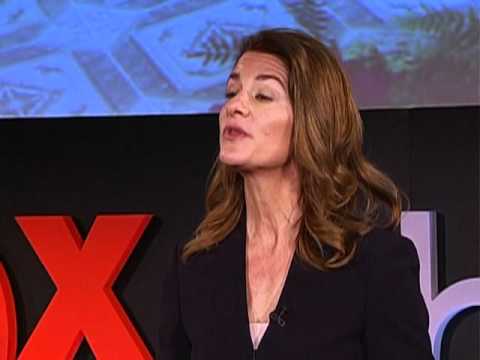
【TED】Melinda Gates: What nonprofits can learn from Coca-Cola (Melinda French Gates: What nonprofits can learn from Coca-Cola)
0
Vicky posted on 2014/11/02Ever wondered how Coca-Cola became so successful? Melinda Gates shares fascinating insights on how nonprofits can learn from big brands like Coke to make a global impact, especially in public health! You'll pick up practical vocabulary and learn about innovative strategies in global development.
Learn this video on the APP!
The VoiceTube App has more in-depth practice for videos!