
above water
US /əˈbʌv ˈwɔtɚ/
UK /əˈbʌv ˈwɔ:tə/
- other
- Not in debt or trouble; surviving or managing successfully.
B2Moreaccount of
US /əˈkaʊnt ʌv/
UK /əˈkaunt ɔv/
- Noun
- A spoken or written description of an event.
- Preposition
- Because of; for the reason of.
B1Moreafter dark
US
UK
- Phrase
- After the sun has set and night has begun.
- Adjective
- Occurring or operating secretly or illicitly, especially at night.
A1Moreafter dinner
US
UK
- Phrase
- Following the meal of dinner.
- Adjective
- Suitable for or done after dinner.
A1Moreall along
US /ɔl əˈlɔŋ/
UK /ɔ:l əˈlɔŋ/
- Adverb
- From the beginning; all the time.
- Phrase
- In a line parallel to something long.
A2Moreall at once
US
UK
- Adverb
- Suddenly; at the same time
- At the same time; simultaneously
- Phrase
- Suddenly; at the same time
A1Morealong with
US /əˈlɔŋ wɪð/
UK /əˈlɔŋ wið/
- Preposition
- In addition to; together with.
- Adverb
- In company or together with someone or something.
- Including; in addition to.
A2Morearound town
US
UK
- Phrase
- In the local area or vicinity.
- In various places throughout the town.
- Adjective
- Socially active and well-known in the town.
A1Moreas for
US /æz fɔr/
UK /æz fɔ:/
- Preposition
- Concerning; regarding.
- Phrase
- Used to introduce a new topic or aspect of a subject.
A1Moreas long as
US /æz lɔŋ æz/
UK /æz lɔŋ æz/
- Conjunction
- For the period that; provided that.
- For the length of time that
- Preposition
- On the condition that; providing that.
- Having the same length as.
A1Moreas soon as
US /æz sun æz/
UK /æz su:n æz/
- Phrase
- In a short time after (something happens)
- Without any delay; immediately
- Conjunction
- At the moment that, or immediately after.
A1Moreat a time
US /æt e taɪm/
UK /æt ə taim/
- Phrase
- Separately; one by one
- Simultaneously; together
A1Moreat home
US /æt hom/
UK /æt həum/
- Phrase
- In one's own residence or country.
- Adjective
- Feeling comfortable and relaxed.
at last
US /æt læst/
UK /æt lɑ:st/
- Adverb
- Finally; after a long delay.
B1Moreat once
US /æt wʌns/
UK /æt wʌns/
- Adverb
- Immediately; without delay
- At the same time; simultaneously
A2Moreback away
US /bæk əˈwe/
UK /bæk əˈwei/
- Phrasal Verb
- To stop being involved with, as through fear
A1Moreback into
US /bæk ˈɪntu/
UK /bæk ˈɪntuː/
- Phrasal Verb
- To drive a vehicle backwards into a space or area.
- To accidentally collide with something while moving backwards.
A1Moreback up
US /bæk ʌp/
UK /bæk ʌp/
- Phrasal Verb
- To save a copy of your computer data
- To confirm the truth of what someone says
A1Morebeat out
US /bit aʊt/
UK /bi:t aut/
- Phrasal Verb
- To defeat someone in a competition or contest.
- To extinguish a fire by striking it repeatedly.
A1Morebehind with
US
UK
- Adjective
- Having failed to pay money that is owed at the time you should have.
- Not having done something that you should have done.
A1Moreblack and blue
US /blæk ənd blu/
UK /blæk ænd blu:/
- Adjective
- Covered with bruises.
A1Morebring to
US /brɪŋ tu/
UK /briŋ tu:/
- Phrasal Verb
- To make someone to wake up from being unconscious
A1Moreby accident
US /baɪ ˈæksɪdənt/
UK /bai ˈæksidənt/
- Phrase
- Without intending to; unintentionally.
by itself
US /baɪ ɪtˈsɛlf/
UK /bai itˈself/
- Adverb
- Alone; without help or assistance.
- Without any external influence or aid.
A2Moreby night
US /baɪ naɪt/
UK /bai nait/
- Phrase
- During the night; not during the day.
A2Morecall up
US
UK
- Phrasal Verb
- To require someone to join the army
- To bring to your memory
A1Morecarry off
US
UK
- Phrasal Verb
- To cause the death of someone
- To handle something successfully
A1Morechop off
US /tʃɑp ɔf/
UK /tʃɔp ɔf/
- Phrasal Verb
- To remove something by cutting it with a sharp tool.
B2Moreclear away
US
UK
- Phrasal Verb
- To take plates away from a table after a meal
A1Moreclose by
US /kloz baɪ/
UK /kləuz bai/
- Adverb
- Near in distance; nearby.
- Phrase
- In a position or location that is near.
A2Morecolor in
US /ˈkʌlər ɪn/
UK /ˈkʌlə ɪn/
- other
- To fill a drawing or space with color, often in artwork.
A2Morecome after
US /kʌm ˈæftɚ/
UK /kʌm ˈɑ:ftə/
- Phrasal Verb
- To follow someone in order to threaten them
A1Morecome along
US /kʌm əˈlɔŋ/
UK /kʌm əˈlɔŋ/
- Phrasal Verb
- To go with someone who takes the lead
- To make progress toward a goal
A1Morecome back
US /kʌm bæk/
UK /kʌm bæk/
- Phrasal Verb
- To reply to someone, often forcefully
- To be remembered
A1Morecome before
US /kʌm bɪˈfɔr/
UK /kʌm biˈfɔ:/
- Phrasal Verb
- To happen or exist earlier in time than something else.
- To be considered more important than something else.
A1Morecome for
US /kʌm fɔr/
UK /kʌm fɔ:/
- Phrasal Verb
- To arrive to collect someone or something.
- To attack someone.
A1Morecome from
US /kʌm frʌm/
UK /kʌm frɔm/
- Phrasal Verb
- To have as your native country or city
A1Morecome over to
US
UK
- Phrasal Verb
- To visit someone's house
A1Morecome up
US /kʌm ʌp/
UK /kʌm ʌp/
- Phrasal Verb
- To come closer to someone; approach
- (Of sun) to rise into the sky in the morning
A1Morecoming after
US
UK
- Phrasal Verb
- To follow someone in order to threaten them
A1Morecould eat a horse
US /kʊd it ə ˈhɔrs/
UK /kʊd i:t ə ˈhɔ:s/
- other
- Very hungry; having a strong appetite.
A2Morecover up
US /ˈkʌvɚ ʌp/
UK /ˈkʌvə ʌp/
- Phrasal Verb
- To hide something bad; conceal
- To put on warmer clothes; to protect oneself from the cold.
A1Moredo magic
US
UK
- Intransitive Verb
- To perform magic tricks; to create illusions.
A2Moredog tired
US
UK
- Adjective
- Extremely tired; exhausted.
down with
US /daʊn wɪð/
UK /daun wið/
- Adjective
- Suffering from an illness.
- Agreeable to; in favor of.
- Interjection
- An expression of opposition to something.
A1Moredress up
US /drɛs ʌp/
UK /dres ʌp/
- Phrasal Verb
- To put on your best clothes, e.g. for a party
- To wear formal or fancy clothes.
- Verb (Transitive/Intransitive)
- To wear formal or fancy clothes.
- To make something more attractive or elaborate.
A1Moreease up
US /iz ʌp/
UK /i:z ʌp/
- Phrasal Verb
- To reduce effort, pressure, or intensity.
- To stop criticizing or putting pressure on someone.
B2Moreexcept for
US /ɪkˈsɛpt fɔr/
UK /ikˈsept fɔ:/
- Preposition
- Not including; excluding.
fair and square
US /fɛr ənd skwɛr/
UK /fɛə ænd skwɛə/
- Adverb
- In an honest and straightforward manner; legitimately.
- Adjective
- Achieved decisively and without doubt; clear and legitimate.
A1Morefeel like
US
UK
- Intransitive Verb
- To have a desire or inclination for something.
- To have a particular quality or sensation; resemble.
A1Morefire away
US /faɪr əˈwe/
UK /ˈfaiə əˈwei/
- Phrasal Verb
- To start to ask questions
A1Morefirst off
US /fɚst ɔf/
UK /fə:st ɔf/
- Phrase
- To begin with; firstly.
- Most importantly; above all else.
A1Morefix up
US /fɪks ʌp/
UK /fiks ʌp/
- Phrasal Verb
- To repair
- To arrange something.
A2Morefollow along
US /ˈfɑlo əˈlɔŋ/
UK /ˈfɔləu əˈlɔŋ/
- Phrasal Verb
- To agree to do or act the same as others
A1Morefool with
US
UK
- Phrasal Verb
- To tamper with or handle something in a way that is not intended or safe.
- To tease or joke with someone.
A1Morefor a minute
US
UK
- Phrase
- For a short period of time; briefly.
- Used to indicate a sudden realization or thought.
A1Morefor short
US /fɔr ʃɔrt/
UK /fɔ: ʃɔ:t/
- Phrase
- As a shortened form of a name or phrase.
A1Morefound out
US
UK
- Phrasal Verb
- To learn or discover something, often after some effort.
- To become known; be revealed.
B2Moregame on
US /ɡem ɑn/
UK /ɡeim ɔn/
- Interjection
- An exclamation indicating the start of a game or activity.
- An exclamation indicating acceptance of a challenge.
A1Moreget at
US /ɡɛt æt/
UK /ɡet æt/
- Phrasal Verb
- To criticize someone, often personally
- To imply something; hint at
A1Moreget down on
US /ɡɛt daʊn ɑn/
UK /ɡet daʊn ɒn/
- other
- To criticize or disapprove of someone or something.
B2Moreget here
US
UK
- Intransitive Verb
- To arrive at a specific location.
A1Moreget out of
US /ɡɛt aʊt ʌv/
UK /ɡet aut ɔv/
- Phrasal Verb
- To leave or escape responsibilities, troubles
- To leave a small, enclosed vehicle
A1Moreget through
US /ɡɛt θru/
UK /ɡet θru:/
- Phrasal Verb
- To arrive at the end of or finish something
- To succeed in contacting someone by phone
A1Moreget together
US /ɡɛt təˈɡɛðɚ/
UK /ɡet təˈɡeðə/
- Phrasal Verb
- To gather, or come together for some purpose
- To start a romantic relationship.
- Verb (Transitive/Intransitive)
- To meet for social or recreational purposes.
- To start a romantic relationship.
A1Moregive up
US /ɡɪv ʌp/
UK /ɡiv ʌp/
- Phrasal Verb
- To lose hope or admit defeat
- To decide to not start to try solving a problem
A1Morego after
US /ɡo ˈæftɚ/
UK /ɡəu ˈɑ:ftə/
- Phrasal Verb
- To chase or pursue something
A1Morego ahead
US /ɡo əˈhɛd/
UK /ɡəu əˈhed/
- Phrasal Verb
- To start an activity; start doing, working etc.
- To give permission to do something
- Intransitive Verb
- To start or proceed with something
- To proceed despite potential obstacles or doubts.
A1Morego away
US /ɡo əˈwe/
UK /ɡəu əˈwei/
- Phrasal Verb
- To go on vacation
- To leave; depart.
A1Morego back to
US /ɡo bæk tu/
UK /ɡəu bæk tu:/
- Phrasal Verb
- To return to a starting point
A1Morego on
US /ɡo ɑn/
UK /ɡəu ɔn/
- Phrasal Verb
- To continue doing something
- To happen (usually negative)
- Interjection
- Used to encourage someone
A1Morego straight
US /ɡo stret/
UK /ɡəu streit/
- Intransitive Verb
- To continue in the same direction without turning.
- To start living an honest and law-abiding life.
A1Moregoing on
US /ˈɡoɪŋ ɑn/
UK /ˈgəʊɪŋ ɔn/
- Phrasal Verb
- To continue doing something
- To happen (usually negative)
A1Moregood humor
US
UK
- Uncountable Noun
- A cheerful or agreeable mood.
- A disposition to be cheerful and friendly.
A1Moregot to
US /ɡɑt tu/
UK /gɔt tu:/
- Verb (Transitive/Intransitive)
- To arrive at some place
- To have the opportunity or permission to do something
- Phrasal Verb
- To appeal to the emotions of; move
- To finally begin to start something after a delay
A1Morehand on
US /hænd ɑn/
UK /hænd ɔn/
- Phrasal Verb
- To pass or transfer something physically to someone else.
- To pass or transfer knowledge, skills, or traditions to someone else.
A1Morehard at it
US /hɑrd ət ɪt/
UK /hɑ:d ət ɪt/
- other
- Working very hard and with great effort.
B2Morehave to
US /hæv tu/
UK /ˈhæv tə/
- Auxiliary Verb
- Must do
A1Morehead over heels
US /hɛd ˈovɚ hilz/
UK /hed ˈəuvə hi:lz/
- Phrase
- Deeply and completely in love.
- Turning or tumbling in such a way that the head is where the heels should be.
- Adverb
- In a tumbling or inverted manner; turning over completely.
A1Morein a hurry
US /ɪn e ˈhɚri/
UK /in ə ˈhʌri/
- Phrase
- Acting or moving with great haste; rushed.
in a minute
US
UK
- Phrase
- Very soon; in a short amount of time.
- Within the duration of one minute.
A1Morein a sweat
US /ɪn ə swet/
UK /ɪn ə swet/
- other
- Feeling anxious or worried about something.
B2Morein a while
US /ɪn e hwaɪl/
UK /in ə hwail/
- Phrase
- In a short period of time; soon.
- For a short period of time; soon.
A2Morein blood
US /ɪn blʌd/
UK /in blʌd/
- other
- Covered or stained with blood, literally or figuratively.
C2Morein love with
US //ɪn lʌv wɪð//
UK
- Adjective
- Feeling romantic love for someone.
- Extremely enthusiastic about or fond of something.
A1Morein on
US
UK
- Phrase
- To be involved in a secret or plan.
- To be aware of something that is secret or not generally known.
A1Morein sight
US /ɪn saɪt/
UK /in sait/
- Phrase
- Visible; able to be seen.
- Near to being achieved; imminent.
in stock
US /ɪn stɑk/
UK /in stɔk/
- Adjective
- Available to buy in a store
B2Morein the books
US /ɪn ði bʊks/
UK /ɪn ði bʊks/
- other
- Finished, completed, or officially recorded.
B2Morein the closet
US /ɪn ðə ˈklɑzət/
UK /in ðə ˈklɒzət/
- other
- Keeping something, often sexual orientation, secret.
B2Morein the dark
US /ɪn ði dɑrk/
UK /in ðə dɑ:k/
- Adjective
- Uninformed about something; unaware.
- Phrase
- In a state of secrecy or ignorance.
- In a place with little or no light.
A1Morein the house
US
UK
- Phrase
- Located inside a building used as a dwelling.
- Within a legislative body, such as a parliament or congress.
A1Morein the middle of
US
UK
- Phrase
- In the central part or point of something.
- Engaged or occupied with something.
A2Morein the world
US /ɪn ði wɜrld/
UK /in ðə wɜː(r)ld/
- Phrase
- Used to emphasize a question expressing surprise, confusion, or disbelief.
- Used to indicate the extent or degree of something, often in a superlative sense.
A1Morein time
US /ɪn taɪm/
UK /in taim/
- Adverb
- Eventually; after a period of time.
- Not late; with enough time to spare.
- Phrase
- Eventually; before it is too late.
- According to the scheduled time; punctual.
A1Morein town
US /ɪn taʊn/
UK /in taun/
- Phrase
- Present or available in the local area or city.
- Available or present in a particular place.
A1Morein under
US
UK
- Preposition
- Located inside and beneath something.
- Covered or concealed by something.
A1Morein with
US /ɪn wɪð/
UK /in wið/
- Phrase
- Fashionable or popular at the moment.
- Having influence or favor with someone.
- Phrasal Verb
- To introduce or bring something new into a system or organization.
A1Moreinside of
US /ɪnˈsaɪd ʌv/
UK /inˈsaid ɔv/
- Preposition
- Within; in the inner part of.
- Within a certain period of time.
A1Moreinstead of
US /ɪnˈstɛd ʌv/
UK /inˈsted ɔv/
- Preposition
- When one thing is replaced by another
- Adverb
- As a substitute or alternative.
A1Morekeep away from
US /kip əˈwe frʌm/
UK /ki:p əˈwei frɔm/
- Phrasal Verb
- To avoid someone or something; to maintain a distance.
A2Morekeep from
US /kip frʌm/
UK /ki:p frɔm/
- Phrasal Verb
- To prevent someone from doing something
A1Morekeep it off
US
UK
- Phrasal Verb
- To avoid gaining weight again after having lost it.
A2Morekeep off
US
UK
- Phrasal Verb
- To not walk on something e.g. the grass
A1Morekill me
US
UK
- Interjection
- An exaggerated expression of frustration or annoyance.
- Phrase
- A direct request to end one's life, often due to unbearable suffering.
A2Moreknow about
US /noʊ əˈbaʊt/
UK /nəʊ əˈbaut/
- Phrasal Verb
- To have information or understanding of a subject or situation.
land on
US
UK
- Phrasal Verb
- To come down to the ground or another surface after flying or falling.
- To criticize someone severely.
B1Morelay
US /le/
UK /leɪ/
- Adjective
- Amateur; not being a trained priest
- Transitive Verb
- To place a bet on a game outcome
- (Of a bird, etc.) to produce eggs from its body
A2Morelay down on
US /leɪ daʊn ɑn/
UK /leɪ daʊn ɒn/
- other
- To neglect duties or avoid work or effort.
C1Morelay for
US /leɪ fɚ/
UK /leɪ fə/
- other
- To wait secretly to catch or surprise someone.
B2Morelay out
US /le aʊt/
UK /lei aut/
- Phrasal Verb
- To show or explain your plans carefully
- To spread something out; arrange something in a particular way.
- Verb (Transitive/Intransitive)
- To arrange according to a plan or design.
- To spread out for viewing; display.
A2Morelet out
US /lɛt aʊt/
UK /let aut/
- Phrasal Verb
- To allow a person, animal to leave the room, house
- To allow to leave; to release.
- Verb (Transitive/Intransitive)
- To enlarge a garment by releasing a seam or adding material.
- To release or allow to escape.
A1Morelike a man
US /laɪk ə mæn/
UK /laɪk ə mæn/
- other
- To act bravely or responsibly.
A2Morelive on
US
UK
- Phrasal Verb
- To continue to exist or be remembered.
- To eat a particular type of food as the main thing.
lock in
US
UK
- Phrasal Verb
- To secure something, such as a price or deal, for a specific period.
- To confine someone or something in a place by locking the door.
A1Morelog on
US /lɔɡ ɑn/
UK /lɔɡ ɔn/
- Phrasal Verb
- To gain access to a computer or network by entering a username and password.
B2Morelog out
US /lɔɡ aʊt/
UK /lɔɡ aut/
- Phrasal Verb
- To disconnect a computer from a network
B1Morelong for
US /lɔŋ fɔr/
UK /lɔŋ fɔ:/
- Phrasal Verb
- To have a strong desire or yearning for something.
A1Morelook around
US /lʊk əˈraʊnd/
UK /luk əˈraund/
- Phrasal Verb
- To explore a place; search for something.
A1Morelook at
US /lʊk æt/
UK /luk æt/
- Phrasal Verb
- To use your eyes to focus on something
- To focus your eyes on something carefully
A1Morelook down on
US
UK
- Phrasal Verb
- To show you think others are not as good as you
A1Moremade with
US
UK
- Phrase
- Containing a particular ingredient or material.
- Created or produced using a specific tool, method, or process.
- Phrasal Verb
- To offer or provide something, often quickly or unexpectedly.
A1Moremake no difference
US
UK
- Phrase
- To have no effect or importance.
A2Moremake up
US /mek ʌp/
UK /meik ʌp/
- Phrasal Verb
- To invent or create a story
- To add up to
- Verb (Transitive/Intransitive)
- To invent a story, excuse, etc.
- To compensate for something lost, missed, or deficient.
A1Moreman down
US /mæn daʊn/
UK /mæn daun/
- Phrase
- Used to indicate a person is injured or incapacitated.
B2Morenever you mind
US /ˈnɛvɚ jʊ maɪnd/
UK /ˈnevə ju maɪnd/
- other
- A phrase telling someone not to worry or ask about something.
B2Moreno matter
US
UK
- Conjunction
- Regardless of; it does not matter.
- Adverb
- Regardless of; it is not important
A1Moreodds and ends
US
UK
- Noun (plural)
- Various items too small or unimportant to be worth itemizing.
A1Moreof a sudden
US
UK
- Phrase
- Quickly and unexpectedly; suddenly.
B2Moreof course
US /ʌv kɔː(r)s/
UK /ɔv kɔː(r)s/
- Adverb
- Sure ; Certainly
- Phrase
- For sure; certainly
A2Moreof old
US /ʌv oʊld/
UK /əv əuld/
- other
- From a long time ago; in the past.
B2Moreof use
US /ʌv jus/
UK /əv ju:s/
- other
- Having practical value; useful or helpful.
B1Moreoff of
US /ɔf ʌv/
UK /ɔf ɔv/
- Preposition
- From a position on something; down from.
A1Moreon a plate
US /ɑn e plet/
UK /ɔn ə pleit/
- Phrase
- To receive something easily, without much effort.
- Presented to someone without them having to work for it.
A1Moreon a stick
US
UK
- Adjective
- Food that is served on a stick
- Noun
- An object attached to a stick, often for play or display
B1Moreon account of
US /ɑn əˈkaʊnt ʌv/
UK /ɔn əˈkaunt ɔv/
- Preposition
- Because of.
B1Moreon all-fours
US /ɑn ɔl fɔrz/
UK /ɒn ɔ:l fɔ:z/
- other
- Position with hands and knees on the ground.
B1Moreon foot
US /ɑn fʊt/
UK /ɔn fut/
- Phrase
A1Moreon hand
US /ɑn hænd/
UK /ɔn hænd/
- Adverb
- Present and available; in attendance.
- Phrase
- Available; readily accessible.
A1Moreon record
US /ɑn rɪˈkɚd/
UK /ɔn riˈkɔ:d/
- Adverb
- Formally and publicly stated
- Adjective
- Officially documented or registered.
A1Moreon sunday
US
UK
- Phrase
- Every Sunday; each Sunday.
- Referring to a particular Sunday.
A1Moreon the blanket
US /ɑn ðə ˈblæŋkɪt/
UK /ɒn ðə ˈblæŋkɪt/
- Preposition
- Located on top of a blanket, typically a piece of cloth.
A2Moreon the floor
US
UK
- Phrase
- Located on the ground or bottom surface of a room.
- Actively participating in dancing or other floor-based activities.
A1Moreon the ground
US
UK
- Phrase
- Located on the surface of the earth.
- Present and available in a particular place, especially to deal with a situation.
on the inside
US /ɑn ði ɪnˈsaɪd/
UK /ɔn ðə inˈsaid/
- Phrase
- Having a position of authority or influence within an organization or system.
- In prison; incarcerated.
- Adjective
- Possessing secret or confidential information.
A1Moreon the lookout
US /ɑn ði ˈlʊkˌaʊt/
UK /ɔn ðə ˈlʊkˌaʊt/
- Adjective
- Vigilantly searching for someone or something.
- Idiom
- To be watching carefully in order to detect something, such as danger or opportunity.
A1Moreon the rise
US /ɑn ði raɪz/
UK /ɔn ðə raiz/
- Adjective
- Increasing; becoming more popular or common.
- Becoming more successful in a career or field.
- Phrase
- Increasing in popularity.
A1Moreon the road
US /ɑn ði rəʊd/
UK /ɔn ðə roʊd/
- Phrase
- Traveling, especially as part of a tour or journey.
- Making progress; advancing towards a goal.
- Idiom
- Making progress towards a goal or achievement.
A1Moreon the table
US /ɑn ði ˈtebəl/
UK /ɔn ðə ˈteibl/
- Phrase
- Located on the surface of a table.
- Available for consideration or discussion.
A1Moreon the watch
US /ɑn ðə wɑtʃ/
UK /ɒn ðə wɒtʃ/
- other
- Being alert and carefully observing for something.
B2Moreon to
US /ɑn tu/
UK /ɔn tu:/
- Preposition
- Toward something; forward
- Aware of someone's activities.
- Adjective
- Aware of someone's deception or illegal activities.
A1Moreonce in a while
US //wʌns ɪn ə waɪl//
UK
- Phrase
- Occasionally; not very often.
- Occasionally; not very often.
A2Moreout of breath
US /aʊt ʌv brɛθ/
UK /aut ɔv breθ/
- Adjective
- Having difficulty breathing, often after physical exertion.
A1Moreout of it
US /aʊt ʌv ɪt/
UK /aut ɔv it/
- Adjective
- Unconscious or not completely alert; dazed or confused.
- Not able to think clearly or react quickly; not with it.
A1Moreout of the way
US /aʊt ʌv ði we/
UK /aut ɔv ðə wei/
- Adjective
- Remote; isolated.
- No longer obstructing or hindering.
- Phrase
- Not obstructing or impeding progress; in a position where one does not cause an obstruction.
- Completed; finished; no longer needing attention.
B1Moreout of the window
US /aʊt əv ðə ˈwɪndoʊ/
UK /aut əv ðə ˈwɪndəu/
- other
- To be discarded or no longer applicable or relevant.
B2Moreoutside of
US /aʊtˈsaɪd ʌv/
UK /ˌautˈsaid ɔv/
- Preposition
- Located or situated beyond the boundaries or confines of something.
- Beyond the scope, range, or limits of something.
A1Moreover the head
US /ˈoʊvɚ ðə ˈhɛd/
UK /ˈəuvə ðə ˈhed/
- other
- Too difficult for someone to understand or grasp.
B2Moreover to
US
UK
- Preposition
- Used to hand over to someone else to speak
- The responsibility is now yours
pen in
US /pɛn ɪn/
UK /pen ɪn/
- other
- To confine or enclose someone or something in a small area.
B2Morepretty solid
US
UK
- Adjective
- Quite strong, reliable, or convincing.
- Fairly firm or well-established; not easily broken or changed.
B2Moreput out
US /pʊt aʊt/
UK /put aut/
- Phrasal Verb
- To publish, e.g. a book
- To cause someone to be troubled or inconvenienced
A1Morereckon
US /ˈrɛkən/
UK /ˈrekən/
- Verb (Transitive/Intransitive)
- To believe or expect that something is true
A2Morerun across
US /rʌn əˈkrɔs/
UK /rʌn əˈkrɔs/
- Phrasal Verb
- To meet someone or find something by chance
A1Morerun along
US /rʌn əˈlɔŋ/
UK /rʌn əˈlɔŋ/
- Phrasal Verb
- To go away; leave (often in commands)
A1Morescrunch up
US /skrʌntʃ ʌp/
UK /skrʌntʃ ʌp/
- Phrasal Verb
- To squeeze or crumple into a compact mass.
- To contract or wrinkle (one's face or features).
set back
US
UK
- Phrasal Verb
- To cost someone, often a large amount
- To cause a delay in scheduling
A1Moreset out
US /sɛt aʊt/
UK /set aut/
- Phrasal Verb
- To arrange something in an orderly fashion
- To give in detail in writing
A1Moreset up
US /sɛt ʌp/
UK /set ʌp/
- Phrasal Verb
- To make arrangements for something; establish
- Verb (Transitive/Intransitive)
- To arrange or prepare something for use.
- To start a business, organization, etc.
A1Moreshove off
US
UK
- Phrasal Verb
- To leave or depart, often used informally or impolitely.
- Intransitive Verb
- To push a boat away from the shore.
A2Moresit down
US /sit daʊn/
UK /sit daun/
- Phrasal Verb
- To take a seat
A1Moresix times
US
UK
- Adverb
- Multiplied by six; a factor of six.
- On six occasions; six instances.
slick up
US /slɪk ʌp/
UK /slɪk ʌp/
- other
- To make oneself neat or stylish, especially in appearance or grooming.
C2Moreslide off
US /slaɪd ɔf/
UK /slaɪd ɒf/
- other
- To move smoothly and unintentionally from a surface and fall or drop off.
B1Moreslip in
US
UK
- Phrasal Verb
- To enter a place quietly or unnoticed.
- To insert something discreetly or subtly.
A1Moreslip up
US /slɪp ʌp/
UK /slip ʌp/
- Phrasal Verb
- To make a mistake
- Noun
- A mistake; an error.
B1Moreslow but sure
US /sloʊ bət ʃʊr/
UK /sləu bət ʃʊə/
- other
- Progressing steadily though not quickly.
A2Moresmoke out
US /smok aʊt/
UK /sməuk aut/
- Phrasal Verb
- To force someone or something out of a place by filling it with smoke.
- To discover or reveal something that is hidden or secret.
stand with
US /stænd wɪð/
UK /stænd wið/
- Phrasal Verb
- To support or defend someone or something.
A1Morestay in
US /ste ɪn/
UK /stei in/
- Phrasal Verb
- To remain inside one's home.
- Intransitive Verb
- To remain as an inpatient in a hospital.
stay up
US /ste ʌp/
UK /stei ʌp/
- Phrasal Verb
- To not go to bed until late
A1Moresun up
US /sʌn ʌp/
UK /sʌn ʌp/
- Noun
- The time when the sun rises in the morning.
A2Moretake a rest
US
UK
- Intransitive Verb
- To stop working or doing an activity for a period of time in order to relax and recover strength.
take it out of
US /teɪk ɪt aʊt əv/
UK /teɪk ɪt aʊt ɒv/
- other
- To cause someone to feel very tired or exhausted.
B2Moretake off
US /tek ɔf/
UK /teik ɔf/
- Phrasal Verb
- To remove, e.g. your clothes
- To make arrangements to be absent from work
- Verb (Transitive/Intransitive)
- To remove (an item of clothing).
- To depart; to leave.
A1Moretalking about
US
UK
- Phrasal Verb
- To discuss a particular topic.
- To be constantly mentioning or bringing up a subject.
A1Moretell on
US
UK
- Phrasal Verb
- To report someone's bad behavior to an authority.
A1Morethanks to
US /θæŋks tu/
UK /θæŋks tu:/
- Preposition
- Because of; as a result of.
A1Morethink about
US /θɪŋk əˈbaʊt/
UK /θiŋk əˈbaut/
- Phrasal Verb
- To consider something carefully.
- To remember or call to mind.
A1Morethink of
US /θɪŋk ʌv/
UK /θiŋk ɔv/
- Phrasal Verb
- To look on as (being something specific); consider
- To consider or remember something.
- Verb (Transitive/Intransitive)
- To imagine or call something to mind
A1Morethrow over
US /θro ˈovɚ/
UK /θrəu ˈəuvə/
- Phrasal Verb
- To propel something over something else
A1Moreto death
US /tu dɛθ/
UK /tu: deθ/
- Phrase
- Extremely; to a great degree
- Until death
B1Moreto do with
US
UK
- Phrasal Verb
- To be about something; concern
A1Moreto let
US /tu lɛt/
UK /tu let/
- Preposition
- Indicates that a property is available for rent.
A2Moreto the good
US /tu ðə ɡʊd/
UK /tu ðə ɡʊd/
- other
- An advantage or credit that one has.
C2Moreto wit
US
UK
- Phrase
- That is to say; namely.
B2Moretrouble in
US
UK
- Uncountable Noun
- Problems or difficulties existing within a specific place or situation.
- Difficulties or discord within a relationship.
B1Moretruck in
US /trʌk ɪn/
UK /trʌk ɪn/
- other
- To bring goods or materials by truck to a location.
B2Moretry for
US
UK
- Phrasal Verb
- To attempt to obtain something; to aim for.
A2Moreturn over
US /tɚn ˈovɚ/
UK /tə:n ˈəuvə/
- Phrasal Verb
- To lose possession of a ball in sports
- To consider something carefully in your mind
A1Moreturned out
US
UK
- Phrasal Verb
- To arrive for a public event or entertainment
- To happen to be in the end
- Transitive Verb
- To extinguish or switch off lights.
A1Moreup against
US /ʌp əˈɡenst/
UK /ʌp əˈɡenst/
- Phrase
- Facing or contending with something difficult or challenging.
- In close proximity or contact with something.
up the river
US /ʌp ði ˈrɪvɚ/
UK /ʌp ðə ˈrɪvə/
- other
- Sent to prison or in serious trouble.
B2Moreup there
US /ʌp ðɛr/
UK /ʌp ðɛə/
- Adverb
- In or to a higher place or position; far away.
- In heaven.
A1Moreupwards of
US
UK
- Preposition
- More than; at least.
- Phrase
- Approximately; around.
A1Moreused to
US /juzd tu/
UK /ˈju:st tə/
- Adjective
- Did regularly before, but don't do now
- Auxiliary Verb
- Have done before, but do not do now
A1Morevarieties of
US
UK
- Phrase
- Different kinds or types of something.
- A range of different things.
A2Morewait for
US /wet fɔr/
UK /weit fɔ:/
- Phrasal Verb
- To wait until someone comes, or something happens
A1Morewake up
US /wek ʌp/
UK /weik ʌp/
- Phrasal Verb
- To stop sleeping
- To become fully aware and alert to a situation.
A1Morewalk off with
US /ˈwɔk ɔf wɪð/
UK /ˈwɔ:k ɒf wɪð/
- other
- To take something away, sometimes by stealing or winning.
B2Morewarn
US /wɔrn/
UK /wɔ:n/
- Transitive Verb
- To tell someone about possible danger
A2Morewatch out
US /wɑtʃ aʊt/
UK /wɔtʃ aut/
- Phrasal Verb
- To be careful; to be alert to danger
A1Morewidow
US /ˈwɪdo/
UK /'wɪdəʊ/
- Noun
- Woman whose husband has died
B1Morewith it
US /wɪð ɪt/
UK /wið it/
- Adjective
- Intelligent, alert, and up-to-date.
- Understanding and knowledgeable about current trends or information.
A1Morewith just
US
UK
- Phrase
- Using only; with no more than.
- Barely; by a narrow margin.
A2Morework on
US /wɚk ɑn/
UK /wə:k ɔn/
- Phrasal Verb
- To devote effort to improve or develop something
- To try to persuade or influence someone.
A1More
Vocabulary
- got to: To arrive at some place
- look at: To use your eyes to focus on something
- over to: Used to hand over to someone else to speak
- used to: Did regularly before, but don't do now
- off of: From a position on something; down from.
- at last: Finally; after a long delay.
- of course: Sure ; Certainly
- on the floor: Located on the ground or bottom surface of a room.
- think of: To look on as (being something specific); consider
- keep off: To not walk on something e.g. the grass
- wait for: To wait until someone comes, or something happens
- to let: Indicates that a property is available for rent.
- up there: In or to a higher place or position; far away.
- have to: Must do
- on the ground: Located on the surface of the earth.
- as soon as: In a short time after (something happens)
- on to: Toward something; forward
- in the books: Finished, completed, or officially recorded.
- come along: To go with someone who takes the lead
- know about: To have information or understanding of a subject or situation.
- instead of: When one thing is replaced by another
- in the dark: Uninformed about something; unaware.
- put out: To publish, e.g. a book
- to death: Extremely; to a great degree
- talking about: To discuss a particular topic.
- with it: Intelligent, alert, and up-to-date.
- on account of: Because of.
- account of: A spoken or written description of an event.
- get at: To criticize someone, often personally
- down with: Suffering from an illness.
- in a minute: Very soon; in a short amount of time.
- in town: Present or available in the local area or city.
- up the river: Sent to prison or in serious trouble.
- for a minute: For a short period of time; briefly.
- of a sudden: Quickly and unexpectedly; suddenly.
- go back to: To return to a starting point
- in a sweat: Feeling anxious or worried about something.
- try for: To attempt to obtain something; to aim for.
- on the table: Located on the surface of a table.
- slip in: To enter a place quietly or unnoticed.
- wake up: To stop sleeping
- in on: To be involved in a secret or plan.
- all at once: Suddenly; at the same time
- at once: Immediately; without delay
- set up
- get here: To arrive at a specific location.
- go on: To continue doing something
- get together: To gather, or come together for some purpose
- think about: To consider something carefully.
- on hand: Present and available; in attendance.
- in with: Fashionable or popular at the moment.
- sun up: The time when the sun rises in the morning.
- as for: Concerning; regarding.
- run along: To go away; leave (often in commands)
- turn over: To lose possession of a ball in sports
- watch out: To be careful; to be alert to danger
- made with: Containing a particular ingredient or material.
- come for: To arrive to collect someone or something.
- along with: In addition to; together with.
- tell on: To report someone's bad behavior to an authority.
- go away: To go on vacation
- lay for: To wait secretly to catch or surprise someone.
- make no difference: To have no effect or importance.
- come back: To reply to someone, often forcefully
- give up: To lose hope or admit defeat
- keep from: To prevent someone from doing something
- fix up: To repair
- out of the way: Remote; isolated.
- kill me: An exaggerated expression of frustration or annoyance.
- out of it: Unconscious or not completely alert; dazed or confused.
- make up: To invent or create a story
- never you mind: A phrase telling someone not to worry or ask about something.
- to wit: That is to say; namely.
- varieties of: Different kinds or types of something.
- no matter: Regardless of; it does not matter.
- to do with: To be about something; concern
- in the house: Located inside a building used as a dwelling.
- by itself: Alone; without help or assistance.
- odds and ends: Various items too small or unimportant to be worth itemizing.
- get down on: To criticize or disapprove of someone or something.
- ease up: To reduce effort, pressure, or intensity.
- scrunch up: To squeeze or crumple into a compact mass.
- to the good: An advantage or credit that one has.
- lock in: To secure something, such as a price or deal, for a specific period.
- out of the window: To be discarded or no longer applicable or relevant.
- upwards of: More than; at least.
- sit down: To take a seat
- up against: Facing or contending with something difficult or challenging.
- back up: To save a copy of your computer data
- on the inside: Having a position of authority or influence within an organization or system.
- stand with: To support or defend someone or something.
- come from: To have as your native country or city
- in blood: Covered or stained with blood, literally or figuratively.
- fair and square: In an honest and straightforward manner; legitimately.
- pen in: To confine or enclose someone or something in a small area.
- on the road: Traveling, especially as part of a tour or journey.
- bring to: To make someone to wake up from being unconscious
- in love with: Feeling romantic love for someone.
- go ahead: To start an activity; start doing, working etc.
- go straight: To continue in the same direction without turning.
- on sunday: Every Sunday; each Sunday.
- dog tired: Extremely tired; exhausted.
- in the closet: Keeping something, often sexual orientation, secret.
- except for: Not including; excluding.
- slick up: To make oneself neat or stylish, especially in appearance or grooming.
- go after: To chase or pursue something
- call up: To require someone to join the army
- over the head: Too difficult for someone to understand or grasp.
- six times: Multiplied by six; a factor of six.
- of use: Having practical value; useful or helpful.
- slow but sure: Progressing steadily though not quickly.
- throw over: To propel something over something else
- on the watch: Being alert and carefully observing for something.
- come up: To come closer to someone; approach
- out of breath: Having difficulty breathing, often after physical exertion.
- do magic: To perform magic tricks; to create illusions.
- inside of: Within; in the inner part of.
- pretty solid: Quite strong, reliable, or convincing.
- trouble in: Problems or difficulties existing within a specific place or situation.
- keep away from: To avoid someone or something; to maintain a distance.
- color in: To fill a drawing or space with color, often in artwork.
- take it out of: To cause someone to feel very tired or exhausted.
- black and blue: Covered with bruises.
- look down on: To show you think others are not as good as you
- on record: Formally and publicly stated
- around town: In the local area or vicinity.
- found out: To learn or discover something, often after some effort.
- on a plate: To receive something easily, without much effort.
- get out of: To leave or escape responsibilities, troubles
- get through: To arrive at the end of or finish something
- log out: To disconnect a computer from a network
- good humor: A cheerful or agreeable mood.
- game on: An exclamation indicating the start of a game or activity.
- walk off with: To take something away, sometimes by stealing or winning.
- stay in: To remain inside one's home.
- at home: In one's own residence or country.
- as long as: For the period that; provided that.
- going on: To continue doing something
- head over heels: Deeply and completely in love.
- all along: From the beginning; all the time.
- let out: To allow a person, animal to leave the room, house
- coming after: To follow someone in order to threaten them
- on all-fours: Position with hands and knees on the ground.
- in under: Located inside and beneath something.
- first off: To begin with; firstly.
- in sight: Visible; able to be seen.
- on foot
- man down: Used to indicate a person is injured or incapacitated.
- hard at it: Working very hard and with great effort.
- turned out: To arrive for a public event or entertainment
- on the rise: Increasing; becoming more popular or common.
- work on: To devote effort to improve or develop something
- with just: Using only; with no more than.
- back into: To drive a vehicle backwards into a space or area.
- by accident: Without intending to; unintentionally.
- lay out: To show or explain your plans carefully
- smoke out: To force someone or something out of a place by filling it with smoke.
- lay down on: To neglect duties or avoid work or effort.
- in the middle of: In the central part or point of something.
- log on: To gain access to a computer or network by entering a username and password.
- thanks to: Because of; as a result of.
- in a while: In a short period of time; soon.
- once in a while: Occasionally; not very often.
- set out: To arrange something in an orderly fashion
- in time: Eventually; after a period of time.
- on a stick: Food that is served on a stick
- feel like: To have a desire or inclination for something.
- stay up: To not go to bed until late
- on the lookout: Vigilantly searching for someone or something.
- beat out: To defeat someone in a competition or contest.
- look around: To explore a place; search for something.
- outside of: Located or situated beyond the boundaries or confines of something.
- run across: To meet someone or find something by chance
- fire away: To start to ask questions
- live on: To continue to exist or be remembered.
- could eat a horse: Very hungry; having a strong appetite.
- set back: To cost someone, often a large amount
- come over to: To visit someone's house
- take a rest: To stop working or doing an activity for a period of time in order to relax and recover strength.
- after dark: After the sun has set and night has begun.
- land on: To come down to the ground or another surface after flying or falling.
- come after: To follow someone in order to threaten them
- fool with: To tamper with or handle something in a way that is not intended or safe.
- slip up: To make a mistake
- at a time: Separately; one by one
- keep it off: To avoid gaining weight again after having lost it.
- in stock: Available to buy in a store
- for short: As a shortened form of a name or phrase.
- close by: Near in distance; nearby.
- follow along: To agree to do or act the same as others
- back away: To stop being involved with, as through fear
- hand on: To pass or transfer something physically to someone else.
- slide off: To move smoothly and unintentionally from a surface and fall or drop off.
- above water: Not in debt or trouble; surviving or managing successfully.
- come before: To happen or exist earlier in time than something else.
- like a man: To act bravely or responsibly.
- of old: From a long time ago; in the past.
- in a hurry: Acting or moving with great haste; rushed.
- carry off: To cause the death of someone
- truck in: To bring goods or materials by truck to a location.
- long for: To have a strong desire or yearning for something.
- shove off: To leave or depart, often used informally or impolitely.
- cover up: To hide something bad; conceal
- in the world: Used to emphasize a question expressing surprise, confusion, or disbelief.
- after dinner: Following the meal of dinner.
- by night: During the night; not during the day.
- on the blanket: Located on top of a blanket, typically a piece of cloth.
- chop off: To remove something by cutting it with a sharp tool.
- take off: To remove, e.g. your clothes
- clear away: To take plates away from a table after a meal
- dress up: To put on your best clothes, e.g. for a party
- behind with: Having failed to pay money that is owed at the time you should have.
- know: To be familiar with a person or place, thing
- time: Speed at which music is played; tempo
- good: Proper, appropriate or right
- tell: To (strongly) advise a person to do something
- man: Humans in general, including male and female
- lay: Amateur; not being a trained priest
- reckon: To believe or expect that something is true
- de: Of; expressing origin, possession, or separation
- warn: To tell someone about possible danger
- river: Flowing water that runs from mountains to the sea
- widow: Woman whose husband has died
Get the full experience in the app
Learn anywhere with detailed sentence and usage analysis
01:03
She took a brave step forward, leaving behind her comfort zone to chase her dreams.
Vocabulary
- brave
adj. Having courage
- comfort zone
phr. A familiar situation where one feels safe
Explanation
a brave step is a noun phrase, where brave is an adjective modifying the noun step, meaning "a courageous step".
forward is an adverb modifying step, meaning "ahead".
The whole phrase serves as the object, answering the "what" of took (verb) — she took a brave step forward.
Get the full experience in the app
Look up words anytime with pronunciation, part of speech, and usage
brave
US/brev/
UK/breɪv/
adj.Brave
v.t.To bravely face
A2 Elementary
Get the full experience in the app
Practice speaking anytime and get instant pronunciation feedback
Try this speaking exercise.
Try practicing with this sentence.
80
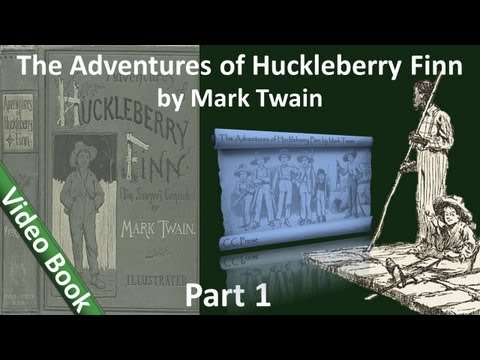
Part 1 - The Adventures of Huckleberry Finn Audiobook by Mark Twain (Chs 01-10)
0
Hhart Budha posted on 2014/06/17Ready to dive into a classic? This video brings Mark Twain's "The Adventures of Huckleberry Finn" to life, covering chapters 1-10! You'll explore rich cultural themes, pick up tons of vocabulary, and get a fantastic look at complex sentence structures used in authentic American English.
Learn this video on the APP!
The VoiceTube App has more in-depth practice for videos!