
act out
US /ækt aʊt/
UK /ækt aut/
- Phrasal Verb
- To perform a role before going on stage; practice
- To perform or represent something through actions.
A1Morecome together
US /kʌm təˈɡɛðɚ/
UK /kʌm təˈɡeðə/
- Phrasal Verb
- To assemble or unite; to start working together.
- To form a close relationship or bond.
A1Morediffers from
US
UK
- Phrasal Verb
- To not be the same as something else
- Intransitive Verb
- Is not the same as; is not like
B1Morefor instance
US /fɔr ˈɪnstəns/
UK /fɔ: ˈinstəns/
- Adverb
- As an example.
- Phrase
- As an example.
- As an illustration or case in point
B1Morefor the loss
US /fɚ ðə lɔs/
UK /fə ðə lɒs/
- other
- Concerning or because of a defeat or loss.
C2Moregrateful
US /ˈɡretfəl/
UK /ˈgreɪtfl/
- Adjective
- Feeling or showing thanks; thankful
B1TOEICMorehave to
US /hæv tu/
UK /ˈhæv tə/
- Auxiliary Verb
- Must do
A1Morein a while
US /ɪn e hwaɪl/
UK /in ə hwail/
- Phrase
- In a short period of time; soon.
- For a short period of time; soon.
A2Morein the middle of
US
UK
- Phrase
- In the central part or point of something.
- Engaged or occupied with something.
A2Morein the world
US /ɪn ði wɜrld/
UK /in ðə wɜː(r)ld/
- Phrase
- Used to emphasize a question expressing surprise, confusion, disbelief
- Used to indicate the extent or degree of something, often in a superlative sense
A1Moreinteract with
US /ˌɪntɚˈækt wɪð/
UK /ˌɪntərˈækt wið/
- Phrase
- Verb (Transitive/Intransitive)
- To engage in communication or action involving mutual or reciprocal influence.
- To use a computer interface to achieve a specific goal.
A2Moreknow about
US /noʊ əˈbaʊt/
UK /nəʊ əˈbaut/
- Phrasal Verb
- To have information or understanding of a subject or situation.
look at
US /lʊk æt/
UK /luk æt/
- Phrasal Verb
- To use your eyes to focus on something
- To focus your eyes on something carefully
A1Moremake for
US /mek fɔr/
UK /meik fɔ:/
- Phrasal Verb
- To go to or toward something/someone for a reason
- To result in; cause
A1Morenumber of people
US /ˈnʌmbɚ ʌv ˈpipəl/
UK /ˈnʌmbə ɔv ˈpi:pl/
- Phrase
- The total count of individuals within a group or gathering.
- A statistical figure representing the population size or a subset thereof.
A1Moreon the street
US /ɑn ði strit/
UK /ɔn ðə stri:t/
- Phrase
- Located on or along a public road in a town or city.
- Available or circulating, especially illegally or unofficially.
A1Moreonce in a while
US //wʌns ɪn ə waɪl//
UK
- Phrase
- Occasionally; not very often.
- Occasionally; not very often.
A2Moreopportunity
US /ˌɑpɚˈtunɪti, -ˈtju-/
UK /ˌɒpə'tju:nətɪ/
- Noun (Countable/Uncountable)
- Time, situation when a thing might be done; chance
- A favorable time or occasion for doing something.
A2TOEICMoreput up with
US /pʊt ʌp wɪð/
UK /put ʌp wið/
- Phrasal Verb
- To suffer (a difficult thing) without complaining
- To endure or accept something undesirable.
A1Morerevolution
US /ˌrɛvəˈluʃən/
UK /ˌrevə'lu:ʃn/
- Noun
- When a group overthrows an existing government
- Sudden or significant change in something
B1Morestand up for
US /stænd ʌp fɔr/
UK /stænd ʌp fɔ:/
- Phrasal Verb
- To support someone or an idea, e.g. human rights
A1Moreturned upside down
US
UK
- Adjective
- In an inverted position; reversed or disordered.
- Transitive Verb
- To disrupt or throw into disorder; to reverse the normal state of affairs.
A1Morevaluable
US /ˈvæljuəbəl, ˈvæljə-/
UK /ˈvæljuəbl/
- Adjective
- Being useful or important
- Being worth a lot of money
B1TOEICMorewith it
US /wɪð ɪt/
UK /wið it/
- Adjective
- Intelligent, alert, and up-to-date.
- Understanding and knowledgeable about current trends or information.
A1More
Vocabulary
- have to: Must do
- in a while: In a short period of time; soon.
- once in a while: Occasionally; not very often.
- know about: To have information or understanding of a subject or situation.
- come together: To assemble or unite; to start working together.
- with it: Intelligent, alert, and up-to-date.
- stand up for: To support someone or an idea, e.g. human rights
- turned upside down: In an inverted position; reversed or disordered.
- in the world: Used to emphasize a question expressing surprise, confusion, disbelief
- on the street: Located on or along a public road in a town or city.
- put up with: To suffer (a difficult thing) without complaining
- differs from: To not be the same as something else
- number of people: The total count of individuals within a group or gathering.
- for the loss: Concerning or because of a defeat or loss.
- look at: To use your eyes to focus on something
- for instance: As an example.
- in the middle of: In the central part or point of something.
- act out: To perform a role before going on stage; practice
- make for: To go to or toward something/someone for a reason
- interact with
- experience: Thing a person has done or that happened to them
- present: Being in attendance; being there; having turned up
- people: Persons sharing culture, country, background, etc.
- opportunity: Time, situation when a thing might be done; chance
- life: All the living things e.g. animals, plants, humans
- turn: To become (a particular age)
- world: All the humans, events, activities on the earth
- moment: Very short or brief period of time
- valuable: Being useful or important
- revolution: When a group overthrows an existing government
- difficult: Hard; not easy; you need to work hard to do it
- grateful: Feeling or showing thanks; thankful
- stop: To block or close something
- haven: Place where people can feel safe and happy
- open: To make accessible or able to be used, e.g. road
Get the full experience in the app
Learn anywhere with detailed sentence and usage analysis
01:03
She took a brave step forward, leaving behind her comfort zone to chase her dreams.
Vocabulary
- brave
adj. Having courage
- comfort zone
phr. A familiar situation where one feels safe
Explanation
a brave step is a noun phrase, where brave is an adjective modifying the noun step, meaning "a courageous step".
forward is an adverb modifying step, meaning "ahead".
The whole phrase serves as the object, answering the "what" of took (verb) — she took a brave step forward.
Get the full experience in the app
Look up words anytime with pronunciation, part of speech, and usage
brave
US/brev/
UK/breɪv/
adj.Brave
v.t.To bravely face
A2 Elementary
Get the full experience in the app
Practice speaking anytime and get instant pronunciation feedback
Try this speaking exercise.
Try practicing with this sentence.
80
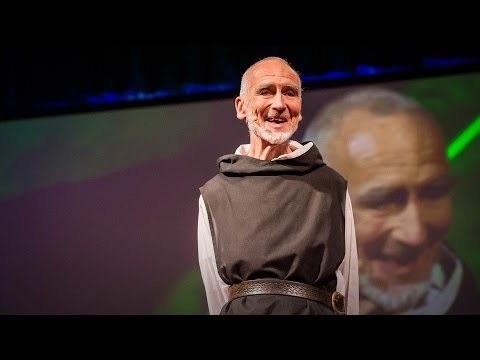
【TED】David Steindl-Rast: Want to be happy? Be grateful (Want to be happy? Be grateful | David Steindl-Rast)
0
Vivian Lam posted on 2014/07/15Ever wonder what the secret to happiness is? This inspiring TED talk by David Steindl-Rast reveals how practicing gratitude can transform your life, offering simple, practical ways to find joy in the present moment. You'll pick up useful phrases and gain insights into personal growth that you can use every single day!
Learn this video on the APP!
The VoiceTube App has more in-depth practice for videos!