
above average
US /əˈbʌv ˈævərɪdʒ/
UK /əˈbʌv ˈævəridʒ/
- Phrase
- Adjective
- Better than average; exceeding the norm.
A2Morealternative
US /ɔlˈtɚnətɪv, æl-/
UK /ɔ:lˈtɜ:nətɪv/
- Countable Noun
- Something different you can choose
- Adjective
- A different choice
A2TOEICMoreask for help
US
UK
- Verb (Transitive/Intransitive)
- To request assistance or support.
ask in
US /æsk ɪn/
UK /ɑ:sk ɪn/
- other
- To invite someone to enter one's home or place.
B1Moreat least
US /æt list/
UK /æt li:st/
- Adverb
- As a minimum
- Not less than
- Phrase
- No less than; at the minimum
- Used to indicate that something is positive in a bad situation.
C2Moreat the end of the day
US
UK
- Phrase
- Ultimately; when everything else is considered.
- After a day's work or activities.
A1Moreback into
US /bæk ˈɪntu/
UK /bæk ˈɪntuː/
- Phrasal Verb
- To drive a vehicle backwards into a space or area.
- To accidentally collide with something while moving backwards.
A1Morebased on
US
UK
- Phrasal Verb
- To use something as the foundation or starting point for something else.
- Preposition
- Using something as the main idea or foundation.
- Relying on something as evidence or justification.
A1Morebring to
US /brɪŋ tu/
UK /briŋ tu:/
- Phrasal Verb
- To make someone to wake up from being unconscious
A1Morecome up with
US /kʌm ʌp wɪð/
UK /kʌm ʌp wið/
- Phrasal Verb
- To think of an idea or solution; produce
A1Moredepartment
US /dɪˈpɑ:rtmənt/
UK /dɪˈpɑ:tmənt/
- Noun
- Division of a larger part or organization
A2TOEICMoredo in
US
UK
- Phrasal Verb
- To make completely tired out and exhausted
- To destroy or cause damage to someone
A1Morefaculty member
US /ˈfækəlti ˈmɛmbɚ/
UK /ˈfækəlti ˈmembə/
- Noun
- A person who teaches or does research at a college or university.
C1Morefigure out
US /ˈfɪɡjɚ aʊt/
UK /ˈfiɡə aut/
- Phrasal Verb
- To understand the behavior of someone
- To think through logically to find a solution
- Verb (Transitive/Intransitive)
- To understand or find an answer to something.
- To find a solution to a problem or understand something.
A1Morefor myself
US /fɚ maɪˈsɛlf/
UK /fə maɪˈself/
- other
- Done for one's own benefit or use.
A1Moreget lost
US /ɡɛt lɔst/
UK /ɡet lɔ:st/
- Intransitive Verb
- An impolite way of telling someone to go away.
- To become unable to find your way; to lose your sense of direction.
- Interjection
- An impolite way of telling someone to go away.
A1Moreget out of
US /ɡɛt aʊt ʌv/
UK /ɡet aut ɔv/
- Phrasal Verb
- To leave or escape responsibilities, troubles
- To leave a small, enclosed vehicle
A1Moregot to
US /ɡɑt tu/
UK /gɔt tu:/
- Verb (Transitive/Intransitive)
- To arrive at some place
- To have the opportunity or permission to do something
- Phrasal Verb
- To appeal to the emotions of; move
- To finally begin to start something after a delay
A1Morehave to
US /hæv tu/
UK /ˈhæv tə/
- Auxiliary Verb
- Must do
A1Morein mind
US /ɪn maɪnd/
UK /in maind/
- Phrase
- Being aware of or considering something.
- To remember or consider something.
A2Morein order to
US /ɪn ˈɔrdɚ tu/
UK /in ˈɔ:də tu:/
- Preposition
- For the purpose of; with the aim of.
- Phrase
- In a specific sequence or arrangement.
- With the aim of; for the purpose of.
C1Morein terms of
US
UK
- Phrase
- With regard to; concerning a particular aspect.
A1Morein ways
US
UK
- Phrase
- In a manner or by methods that.
- In certain respects or aspects.
A1Moreissue
US /ˈɪʃu/
UK /'ɪʃu:/
- Transitive Verb
- To make something available to be used or sold
- To deliver a statement, etc. in an official manner
- Noun (Countable/Uncountable)
- Important topic discussed, debated or argued over
- Single edition of a magazine
A2TOEICMoreknow about
US /noʊ əˈbaʊt/
UK /nəʊ əˈbaut/
- Phrasal Verb
- To have information or understanding of a subject or situation.
look at
US /lʊk æt/
UK /luk æt/
- Phrasal Verb
- To use your eyes to focus on something
- To focus your eyes on something carefully
A1Moremale
US /ˈmel/
UK /meɪl/
- Adjective
- Characteristic of boys or men
- Noun
- A member of the sex that fertilizes eggs
A2Morenegotiation
US /nɪˌɡoʃiˈeʃən/
UK /nɪˌgəʊʃiˈeɪʃn/
- Uncountable Noun
- A formal discussion to reach an agreement
B1Moreout of it
US /aʊt ʌv ɪt/
UK /aut ɔv it/
- Adjective
- Unconscious or not completely alert; dazed or confused.
- Not able to think clearly or react quickly; not with it.
A1Morepoint at
US
UK
- Phrasal Verb
- To aim (gun, etc.) at someone or something
A1Morerather than
US
UK
- Adverb
- More exactly; more correctly
- Preferably; instead
- Preposition
- Instead of
A1Moreregardless of
US /rɪˈɡɑrdlɪs ʌv/
UK /riˈɡɑ:dlis ɔv/
- Phrase
- Preposition
- Without being affected or influenced by something; despite.
A2Moreset up
US /sɛt ʌp/
UK /set ʌp/
- Phrasal Verb
- To make arrangements for something; establish
- Verb (Transitive/Intransitive)
- To arrange or prepare something for use.
- To start a business, organization, etc.
A1Morestart off
US /stɑrt ɔf/
UK /stɑ:t ɔf/
- Phrasal Verb
- To begin or commence something.
- To begin a journey.
B2Morestore
US /stɔr, stor/
UK /stɔ:(r)/
- Transitive Verb
- To put things in a place for later use
- Noun (Countable/Uncountable)
- Place where things are kept for future use
- Place where you can go to buy things
A2TOEICMorethink about
US /θɪŋk əˈbaʊt/
UK /θiŋk əˈbaut/
- Phrasal Verb
- To consider something carefully.
- To remember or call to mind.
A1Morethink of
US /θɪŋk ʌv/
UK /θiŋk ɔv/
- Phrasal Verb
- To look on as (being something specific); consider
- To consider or remember something.
- Verb (Transitive/Intransitive)
- To imagine or call something to mind
A1Moreto the point
US /tu ði pɔɪnt/
UK /tu: ðə pɔint/
- Adjective
- Expressing something directly and without unnecessary detail.
- Phrase
- Relevant and pertinent to the matter at hand.
A2Moreturn out
US /tɚn aʊt/
UK /tə:n aut/
- Phrasal Verb
- To arrive for a public event or entertainment
- To happen to be in the end
A1Morewalk away
US /wɔk əˈwe/
UK /wɔ:k əˈwei/
- Phrasal Verb
- To leave a situation, especially a difficult or unpleasant one.
- To choose not to be involved in something.
A1Morewalk away from
US /wɔk əˈwe frʌm/
UK /wɔ:k əˈwei frɔm/
- Phrasal Verb
- To leave a situation or relationship, especially when it is difficult or unpleasant.
A2Morework on
US /wɚk ɑn/
UK /wə:k ɔn/
- Phrasal Verb
- To devote effort to improve or develop something
- To try to persuade or influence someone.
A1More
Vocabulary
- think about: To consider something carefully.
- have to: Must do
- figure out: To understand the behavior of someone
- regardless of
- point at: To aim (gun, etc.) at someone or something
- start off: To begin or commence something.
- in ways: In a manner or by methods that.
- work on: To devote effort to improve or develop something
- in order to: For the purpose of; with the aim of.
- think of: To look on as (being something specific); consider
- at least: As a minimum
- look at: To use your eyes to focus on something
- bring to: To make someone to wake up from being unconscious
- set up
- turn out: To arrive for a public event or entertainment
- rather than: More exactly; more correctly
- faculty member: A person who teaches or does research at a college or university.
- come up with: To think of an idea or solution; produce
- for myself: Done for one's own benefit or use.
- do in: To make completely tired out and exhausted
- above average
- got to: To arrive at some place
- at the end of the day: Ultimately; when everything else is considered.
- walk away: To leave a situation, especially a difficult or unpleasant one.
- walk away from: To leave a situation or relationship, especially when it is difficult or unpleasant.
- to the point: Expressing something directly and without unnecessary detail.
- back into: To drive a vehicle backwards into a space or area.
- based on: To use something as the foundation or starting point for something else.
- ask in: To invite someone to enter one's home or place.
- in terms of
- in mind: Being aware of or considering something.
- get out of: To leave or escape responsibilities, troubles
- get lost: An impolite way of telling someone to go away.
- out of it: Unconscious or not completely alert; dazed or confused.
- know about: To have information or understanding of a subject or situation.
- ask for help: To request assistance or support.
- deal: To cope with something - usually troubles
- issue: To make something available to be used or sold
- alternative: Something different you can choose
- understand: To know the meaning of language, what someone says
- information: Collection of facts and details about something
- problem: Something difficult to deal with or causes trouble
- number: Symbols such as 1, 2, 56, 793
- offer: Price you say you are willing to pay for something
- store: To put things in a place for later use
- music: Sounds that are sung or played to give pleasure
- price: Person's name
- job: Something that must be done
- department: Division of a larger part or organization
- negotiation: A formal discussion to reach an agreement
- male: Characteristic of boys or men
Get the full experience in the app
Learn anywhere with detailed sentence and usage analysis
01:03
She took a brave step forward, leaving behind her comfort zone to chase her dreams.
Vocabulary
- brave
adj. Having courage
- comfort zone
phr. A familiar situation where one feels safe
Explanation
a brave step is a noun phrase, where brave is an adjective modifying the noun step, meaning "a courageous step".
forward is an adverb modifying step, meaning "ahead".
The whole phrase serves as the object, answering the "what" of took (verb) — she took a brave step forward.
Get the full experience in the app
Look up words anytime with pronunciation, part of speech, and usage
brave
US/brev/
UK/breɪv/
adj.Brave
v.t.To bravely face
A2 Elementary
Get the full experience in the app
Practice speaking anytime and get instant pronunciation feedback
Try this speaking exercise.
Try practicing with this sentence.
80
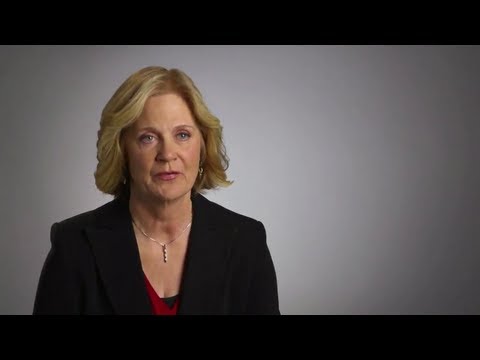
Margaret Neale: Negotiation: Getting What You Want
0
Hhart Budha posted on 2014/06/11Ever wondered how to get the best deal when negotiating? This talk breaks down practical strategies, including how to prepare and what to say, so you can confidently ask for what you want! You'll pick up advanced vocabulary and workplace tips that are useful both in your career and daily life.
Learn this video on the APP!
The VoiceTube App has more in-depth practice for videos!