
after dinner
US
UK
- Phrase
- Following the meal of dinner.
- Adjective
- Suitable for or done after dinner.
A1Moreat that time
US /æt ðæt taɪm/
UK /æt ðæt taim/
- Phrase
- During a specific point in the past.
A1Moreat the same time
US
UK
- Phrase
- Simultaneously; at the identical moment.
- Nevertheless; however; used to introduce a contrasting or qualifying statement.
A1Morebill
US /bɪl/
UK /bɪl/
- Noun
- Plan for a new law being discussed by a government
- Sign or poster advertising something
- Transitive Verb
- To request payment by handing over an invoice
A2TOEICMorecure
US /kjʊr/
UK /kjʊə(r)/
- Noun
- Something that solves a problem or makes it better
- Medical treatment making a sick person healthy
- Transitive Verb
- To fix or improve a problem
- To make someone healthy or make a disease go away
B1Moredown with
US /daʊn wɪð/
UK /daun wið/
- Adjective
- Suffering from an illness.
- Agreeable to; in favor of.
- Interjection
- An expression of opposition to something.
A1Moreempathy
US /ˈɛmpəθi/
UK /ˈempəθi/
- Uncountable Noun
- Understanding how other people feel/suffer
- The ability to understand and share the feelings of another, especially when those feelings are negative or painful
B2TOEICMoreempower
US /ɛmˈpaʊɚ/
UK /ɪm'paʊə(r)/
- Transitive Verb
- To give someone a power or ability
B2Moreexcept for
US /ɪkˈsɛpt fɔr/
UK /ikˈsept fɔ:/
- Preposition
- Not including; excluding.
feel like
US
UK
- Intransitive Verb
- To have a desire or inclination for something.
- To have a particular quality or sensation; resemble.
A1Morego back to
US /ɡo bæk tu/
UK /ɡəu bæk tu:/
- Phrasal Verb
- To return to a starting point
A1Morego on
US /ɡo ɑn/
UK /ɡəu ɔn/
- Phrasal Verb
- To continue doing something
- To happen (usually negative)
- Interjection
- Used to encourage someone
A1Morego over there
US
UK
- Intransitive Verb
- To move or travel to a specific location.
A1Moregoing on
US /ˈɡoɪŋ ɑn/
UK /ˈgəʊɪŋ ɔn/
- Phrasal Verb
- To continue doing something
- To happen (usually negative)
A1Moregrow up
US /ɡro ʌp/
UK /ɡrəu ʌp/
- Phrasal Verb
- To develop from a child into an adult
A1Morehand out
US /hænd aʊt/
UK /hænd aut/
- Phrasal Verb
- To distribute papers (often in class)
A1Morehave to
US /hæv tu/
UK /ˈhæv tə/
- Auxiliary Verb
- Must do
A1Morein fact
US /ɪn fækt/
UK /in fækt/
- Adverb
- Used to emphasize the truth of a statement, especially one that contrasts with or contradicts something else.
- Used to introduce a more detailed or surprising piece of information.
- Phrase
- Used to emphasize the truth of a statement, especially one that is surprising or contrary to what might be expected.
C1Morein hand
US /ɪn hænd/
UK /in hænd/
- Phrase
- In one's possession or control.
in need
US /ɪn nid/
UK /in ni:d/
- Phrase
- Not having the necessary things, such as food
A1Morein the face of
US //ɪn ðə feɪs ɑv//
UK
- Phrase
- When confronted with something difficult or challenging.
- Despite; in defiance of; when confronted with.
A1Morein the field
US
UK
- Phrase
- Working or doing research in a real-world environment, not in a classroom or laboratory.
- Located on the playing area of a sports ground.
A1Morein the trenches
US /ɪn ðə ˈtrɛntʃɪz/
UK /ɪn ðə ˈtrentʃɪz/
- other
- Engaged directly and actively in difficult work or conflict.
B2Morein ways
US
UK
- Phrase
- In a manner or by methods that.
- In certain respects or aspects.
A1Moreinnovation
US /ˌɪnəˈveʃən/
UK /ˌɪnəˈveɪʃn/
- Uncountable Noun
- Process of creating new ideas or inventions
- A new thing or method that is introduced.
B1TOEICMoreinstead of
US /ɪnˈstɛd ʌv/
UK /inˈsted ɔv/
- Preposition
- When one thing is replaced by another
- Adverb
- As a substitute or alternative.
A1Morelook away
US /lʊk əˈwe/
UK /luk əˈwei/
- Phrasal Verb
- To turn your eyes in a different direction, especially because you are embarrassed, frightened, or upset.
A2Moreno matter
US
UK
- Conjunction
- Regardless of; it does not matter.
- Adverb
- Regardless of; it is not important
A1Moreon a trip
US
UK
- Phrase
- Traveling; away from home for a period of time.
A1Moreon the verge of
US /ɑn ði vɚdʒ ʌv/
UK /ɔn ðə və:dʒ ɔv/
- Phrase
- Very near to doing or experiencing something.
A1Moreoptimism
US /ˈɑptəˌmɪzəm/
UK /ˈɒptɪmɪzəm/
- Uncountable Noun
- Condition of having a positive outlook or belief
B2Morepass out
US /pæs aʊt/
UK /pɑ:s aut/
- Phrasal Verb
- To distribute or hand out papers to people
- To faint; lose consciousness
A1Moreplan on
US /plæn ɑn/
UK /plæn ɔn/
- Phrasal Verb
- To intend to do something; to expect to do something.
A1Morepoverty
US /ˈpɑvəti/
UK /ˈpɔvəti/
- Uncountable Noun
- State of being poor
- Lack of something necessary
B1Moresame time
US
UK
- Phrase
- Occurring simultaneously or at the same point in time.
- At the identical time as before; recurring at a fixed hour.
- Noun
- An equal duration or period.
A1Moreset up
US /sɛt ʌp/
UK /set ʌp/
- Phrasal Verb
- To make arrangements for something; establish
- Verb (Transitive/Intransitive)
- To arrange or prepare something for use.
- To start a business, organization, etc.
A1Morestigma
US /ˈstɪɡmə/
UK /'stɪɡmə/
- Noun
- Mark of shame or disgrace
B2TOEICMorestrip away
US /strɪp əˈwe/
UK /strip əˈwei/
- Phrasal Verb
- To gradually reduce the power, rights, or possessions of someone.
C1Morethink of
US /θɪŋk ʌv/
UK /θiŋk ɔv/
- Phrasal Verb
- To look on as (being something specific); consider
- To consider or remember something.
- Verb (Transitive/Intransitive)
- To imagine or call something to mind
A1Moretrip
US /trɪp/
UK /trɪp/
- Verb (Transitive/Intransitive)
- To release an electrical switch
- To fall by catching your foot on something
- Noun
- Act of falling down; falling over an obstacle
- Journey or visit to a place
A2Moreturn away
US /tɚn əˈwe/
UK /tə:n əˈwei/
- Phrasal Verb
- To go in a different direction; not face something
- To stop people going into a place, club etc.
A1Moreup there
US /ʌp ðɛr/
UK /ʌp ðɛə/
- Adverb
- In or to a higher place or position; far away.
- In heaven.
A1Morewith it
US /wɪð ɪt/
UK /wið it/
- Adjective
- Intelligent, alert, and up-to-date.
- Understanding and knowledgeable about current trends or information.
A1More
Vocabulary
- have to: Must do
- going on: To continue doing something
- go on: To continue doing something
- down with: Suffering from an illness.
- up there: In or to a higher place or position; far away.
- in the field: Working or doing research in a real-world environment, not in a classroom or laboratory.
- at that time: During a specific point in the past.
- after dinner: Following the meal of dinner.
- go back to: To return to a starting point
- in fact: Used to emphasize the truth of a statement, especially one that contrasts with or contradicts something else.
- instead of: When one thing is replaced by another
- in hand: In one's possession or control.
- except for: Not including; excluding.
- go over there: To move or travel to a specific location.
- on the verge of: Very near to doing or experiencing something.
- hand out: To distribute papers (often in class)
- think of: To look on as (being something specific); consider
- pass out: To distribute or hand out papers to people
- in the face of: When confronted with something difficult or challenging.
- with it: Intelligent, alert, and up-to-date.
- set up
- no matter: Regardless of; it does not matter.
- look away: To turn your eyes in a different direction, especially because you are embarrassed, frightened, or upset.
- in the trenches: Engaged directly and actively in difficult work or conflict.
- at the same time: Simultaneously; at the identical moment.
- same time: Occurring simultaneously or at the same point in time.
- in need: Not having the necessary things, such as food
- on a trip: Traveling; away from home for a period of time.
- feel like: To have a desire or inclination for something.
- grow up: To develop from a child into an adult
- strip away: To gradually reduce the power, rights, or possessions of someone.
- in ways: In a manner or by methods that.
- plan on: To intend to do something; to expect to do something.
- turn away: To go in a different direction; not face something
- know: To be familiar with a person or place, thing
- people: Persons sharing culture, country, background, etc.
- want: To desire or wish for something; hope for a thing
- world: All the humans, events, activities on the earth
- empathy: Understanding how other people feel/suffer
- poverty: State of being poor
- innovation: Process of creating new ideas or inventions
- stigma: Mark of shame or disgrace
- trip: To release an electrical switch
- cure: Something that solves a problem or makes it better
- optimism: Condition of having a positive outlook or belief
- center: Community place people go health or social reasons
- empower: To give someone a power or ability
- bill: Plan for a new law being discussed by a government
- poor: Inferior; below the normal standard
Get the full experience in the app
Learn anywhere with detailed sentence and usage analysis
01:03
She took a brave step forward, leaving behind her comfort zone to chase her dreams.
Vocabulary
- brave
adj. Having courage
- comfort zone
phr. A familiar situation where one feels safe
Explanation
a brave step is a noun phrase, where brave is an adjective modifying the noun step, meaning "a courageous step".
forward is an adverb modifying step, meaning "ahead".
The whole phrase serves as the object, answering the "what" of took (verb) — she took a brave step forward.
Get the full experience in the app
Look up words anytime with pronunciation, part of speech, and usage
brave
US/brev/
UK/breɪv/
adj.Brave
v.t.To bravely face
A2 Elementary
Get the full experience in the app
Practice speaking anytime and get instant pronunciation feedback
Try this speaking exercise.
Try practicing with this sentence.
80
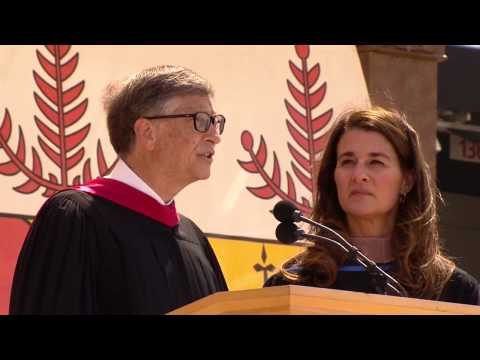
Bill and Melinda Gates' 2014 Stanford Commencement Address
0
AlienBarts posted on 2014/06/18Ever wondered how to tackle huge global challenges like poverty and disease? Bill and Melinda Gates share their inspiring vision in this Stanford commencement address, packed with advanced vocabulary on global health and innovation. You'll gain cultural depth and learn simple sentence structures while exploring big ideas!
Learn this video on the APP!
The VoiceTube App has more in-depth practice for videos!