
answer to
US
UK
- Phrasal Verb
- To be responsible to someone and have to explain your actions to them.
- To correspond to or match a description or requirement.
A1Moreat hand
US /æt hænd/
UK /æt hænd/
- Phrase
- Close by; readily available.
- About to happen; imminent.
- Adjective
- Nearby; easily available
A1Moreat once
US /æt wʌns/
UK /æt wʌns/
- Adverb
- Immediately; without delay
- At the same time; simultaneously
A2Moreat the same time
US
UK
- Phrase
- Simultaneously; at the identical moment.
- Nevertheless; however; used to introduce a contrasting or qualifying statement.
A1Moreaverage
US /ˈævərɪdʒ, ˈævrɪdʒ/
UK /'ævərɪdʒ/
- Noun (Countable/Uncountable)
- Total of numbers divided by the number of items
- Transitive Verb
- To add numbers then divide by the number of items
A2TOEICMoreaverage up
US /ˈævərɪdʒ ʌp/
UK /ˈævəridʒ ʌp/
- other
- To increase the average cost of holdings by buying at higher prices.
C1Moreback into
US /bæk ˈɪntu/
UK /bæk ˈɪntuː/
- Phrasal Verb
- To drive a vehicle backwards into a space or area.
- To accidentally collide with something while moving backwards.
A1Moreback up
US /bæk ʌp/
UK /bæk ʌp/
- Phrasal Verb
- To save a copy of your computer data
- To confirm the truth of what someone says
A1Morebroken leg
US /ˈbrokən lɛɡ/
UK /ˈbrəukən leɡ/
- Noun
- A fracture in one of the bones of the leg.
A2Morebunk beds
US
UK
- Noun (plural)
- Pieces of furniture consisting of two beds, one above the other.
curve
US /kɚv/
UK /kə:v/
- Noun (Countable/Uncountable)
- Smooth rounded line that is not straight
- A distribution of statistical data represented graphically.
- Transitive Verb
- To make something bend into a rounded shape
A2Moreexternal
US /ɪkˈstɚnəl/
UK /eksˈtə:nl/
- Adjective
- Concerning foreign countries
- Concerning the outside of something; outer
A2Morefall below
US /fɔl bɪˈlo/
UK /fɔ:l bɪˈləu/
- other
- To decrease to less than a certain level or amount.
A2Moreformula
US /ˈfɔrmjələ/
UK /'fɔ:mjələ/
- Noun (Countable/Uncountable)
- A mathematical or scientific rule
- Plan, rule or method for doing or making something
A2TOEICMoreget excited
US /ɡɛt ɪkˈsaɪtɪd/
UK /ɡet ɪkˈsaɪtɪd/
- Intransitive Verb
- To become enthusiastic or eager.
A1Moregoing on
US /ˈɡoɪŋ ɑn/
UK /ˈgəʊɪŋ ɔn/
- Phrasal Verb
- To continue doing something
- To happen (usually negative)
A1Morehave to
US /hæv tu/
UK /ˈhæv tə/
- Auxiliary Verb
- Must do
A1Morein a row
US /ɪn e ro/
UK /in ə rəu/
- Phrase
- One after another without a break.
- Arranged in a straight line.
- Idiom
- To have an argument.
A1Morein fact
US /ɪn fækt/
UK /in fækt/
- Adverb
- Used to emphasize the truth of a statement, especially one that contrasts with or contradicts something else.
- Used to introduce a more detailed or surprising piece of information.
- Phrase
- Used to emphasize the truth of a statement, especially one that is surprising or contrary to what might be expected.
C1Morein reality
US /ɪn riˈælɪti/
UK /in riˈæliti/
- Phrase
- Actually; in fact; truly.
B2Morein terms of
US
UK
- Phrase
- With regard to; concerning a particular aspect.
A1Morein the face of
US //ɪn ðə feɪs ɑv//
UK
- Phrase
- When confronted with something difficult or challenging.
- Despite; in defiance of; when confronted with.
A1Morein the midst of
US
UK
- Phrase
- Surrounded by; in the middle of.
- During; while something is happening.
A1Morein the past
US
UK
- Phrase
- During a former period of time; previously.
A1Morein the way
US /ɪn ði we/
UK /in ðə wei/
- Phrase
- Obstructing someone or something; hindering progress.
- Stored or placed so as to be available or ready when needed.
A1Morein the world
US /ɪn ði wɜrld/
UK /in ðə wɜː(r)ld/
- Phrase
- Used to emphasize a question expressing surprise, confusion, disbelief
- Used to indicate the extent or degree of something, often in a superlative sense
A1Moreinstead of
US /ɪnˈstɛd ʌv/
UK /inˈsted ɔv/
- Preposition
- When one thing is replaced by another
- Adverb
- As a substitute or alternative.
A1Morelook around
US /lʊk əˈraʊnd/
UK /luk əˈraund/
- Phrasal Verb
- To explore a place; search for something.
A1Morelook at
US /lʊk æt/
UK /luk æt/
- Phrasal Verb
- To use your eyes to focus on something
- To focus your eyes on something carefully
A1Morenegative
US /ˈnɛɡətɪv/
UK /'neɡətɪv/
- Noun
- The opposite to a positive electrical charge
- In grammar, containing words such as 'no' or 'not'
- Adjective
- Being harmful, unwanted or unhelpful
- In mathematics, being less than zero
A2Moreneutral
US /ˈnu:trəl/
UK /ˈnju:trəl/
- Adjective
- Something with pH value of 7
- Having no positive or negative electrical charge
- Noun (Countable/Uncountable)
- Color that is dull and not bright, such as gray
- The rest position for gears in a car or vehicle
B1Moreno matter
US
UK
- Conjunction
- Regardless of; it does not matter.
- Adverb
- Regardless of; it is not important
A1Moreof course
US /ʌv kɔː(r)s/
UK /ɔv kɔː(r)s/
- Adverb
- Sure ; Certainly
- Phrase
- For sure; certainly
A2Moreoff of
US /ɔf ʌv/
UK /ɔf ɔv/
- Preposition
- From a position on something; down from.
A1Moreon all-fours
US /ɑn ɔl fɔrz/
UK /ɒn ɔ:l fɔ:z/
- other
- Position with hands and knees on the ground.
B1Moreon the floor
US
UK
- Phrase
- Located on the ground or bottom surface of a room.
- Actively participating in dancing or other floor-based activities.
A1Moreon the ground
US
UK
- Phrase
- Located on the surface of the earth.
- Present and available in a particular place, especially to deal with a situation.
on the news
US
UK
- Phrase
- Reported or broadcasted as part of a news program.
A1Moreon the phone
US
UK
- Phrase
- Talking on the telephone.
- Adjective
- Using a phone, especially a mobile phone.
A1Moreout of the way
US /aʊt ʌv ði we/
UK /aut ɔv ðə wei/
- Adjective
- Remote; isolated.
- No longer obstructing or hindering.
- Phrase
- Not obstructing or impeding progress; in a position where one does not cause an obstruction.
- Completed; finished; no longer needing attention.
B1Moreoutside of
US /aʊtˈsaɪd ʌv/
UK /ˌautˈsaid ɔv/
- Preposition
- Located or situated beyond the boundaries or confines of something.
- Beyond the scope, range, or limits of something.
A1Morepositive
US /ˈpɑzɪtɪv/
UK /ˈpɒzətɪv/
- Adjective
- Showing agreement or support for something
- Being sure about something; knowing the truth
- Noun
- A photograph in which light areas are light and dark areas are dark
A2Morepredict
US /prɪˈdɪkt/
UK /prɪ'dɪkt/
- Transitive Verb
- To guess or estimate what will or might happen
A2TOEICMoreput out
US /pʊt aʊt/
UK /put aut/
- Phrasal Verb
- To publish, e.g. a book
- To cause someone to be troubled or inconvenienced
A1Moreread through
US /rid θru/
UK /ri:d θru:/
- Phrasal Verb
- To read something from beginning to end, often to find mistakes or check details.
- To read something quickly without paying attention to details.
- Noun
- A rehearsal where actors read through the script without acting it out fully.
A1Morereality
US /riˈælɪti/
UK /rɪ'ælətɪ/
- Noun (Countable/Uncountable)
- What is true, as opposed to what is imagined
- The state of things as they actually exist, rather than as they may appear or might be imagined.
A2Morereverse
US /rɪˈvɚs/
UK /rɪ'vɜ:s/
- Noun
- Setting that makes the vehicle go backward
- Instance of a significant change, for the worse
- Verb (Transitive/Intransitive)
- To drive a vehicle backward
- To change to an opposite state, way or condition
B1TOEICMoreright back
US /raɪt bæk/
UK /rait bæk/
- Interjection
- Said when someone says they will return soon, indicating you expect their prompt return.
- Adverb
- Immediately; very soon after going.
A1Moresame time
US
UK
- Phrase
- Occurring simultaneously or at the same point in time.
- At the identical time as before; recurring at a fixed hour.
- Noun
- An equal duration or period.
A1Moresuccess
US /səkˈsɛs/
UK /sək'ses/
- Uncountable Noun
- Achievement of a desired purpose or goal
- A successful person; one who achieved their aims
A2TOEICMoretalking about
US
UK
- Phrasal Verb
- To discuss a particular topic.
- To be constantly mentioning or bringing up a subject.
A1Moreturn on
US /tɚn ɑn/
UK /tə:n ɔn/
- Phrasal Verb
- To cause someone to be interested or excited
- Transitive Verb
- To activate or switch on a device or appliance.
- To suddenly attack or criticize someone.
A1Morewake up
US /wek ʌp/
UK /weik ʌp/
- Phrasal Verb
- To stop sleeping
- To become fully aware and alert to a situation.
A1Morework in
US /wɚk ɪn/
UK /wə:k in/
- Phrasal Verb
- To make an opening for something in your schedule
- To fit person/thing into a schedule or sequence
A1Morewrite down
US /raɪt daʊn/
UK /rait daun/
- Phrasal Verb
- To record in writing
A1More
Vocabulary
- instead of: When one thing is replaced by another
- have to: Must do
- on all-fours: Position with hands and knees on the ground.
- in the world: Used to emphasize a question expressing surprise, confusion, disbelief
- in the past: During a former period of time; previously.
- wake up: To stop sleeping
- in fact: Used to emphasize the truth of a statement, especially one that contrasts with or contradicts something else.
- on the phone: Talking on the telephone.
- in a row: One after another without a break.
- bunk beds: Pieces of furniture consisting of two beds, one above the other.
- put out: To publish, e.g. a book
- off of: From a position on something; down from.
- on the floor: Located on the ground or bottom surface of a room.
- on the ground: Located on the surface of the earth.
- out of the way: Remote; isolated.
- of course: Sure ; Certainly
- right back: Said when someone says they will return soon, indicating you expect their prompt return.
- back up: To save a copy of your computer data
- broken leg: A fracture in one of the bones of the leg.
- look at: To use your eyes to focus on something
- in the way: Obstructing someone or something; hindering progress.
- talking about: To discuss a particular topic.
- outside of: Located or situated beyond the boundaries or confines of something.
- get excited: To become enthusiastic or eager.
- going on: To continue doing something
- answer to: To be responsible to someone and have to explain your actions to them.
- fall below: To decrease to less than a certain level or amount.
- back into: To drive a vehicle backwards into a space or area.
- in the face of: When confronted with something difficult or challenging.
- in terms of
- average up: To increase the average cost of holdings by buying at higher prices.
- on the news: Reported or broadcasted as part of a news program.
- turn on
- read through: To read something from beginning to end, often to find mistakes or check details.
- at the same time: Simultaneously; at the identical moment.
- same time: Occurring simultaneously or at the same point in time.
- no matter: Regardless of; it does not matter.
- look around: To explore a place; search for something.
- in reality: Actually; in fact; truly.
- in the midst of: Surrounded by; in the middle of.
- work in: To make an opening for something in your schedule
- write down: To record in writing
- at hand: Close by; readily available.
- at once: Immediately; without delay
- average: Total of numbers divided by the number of items
- brain: To strike someone forcefully on the head
- negative: The opposite to a positive electrical charge
- positive: Showing agreement or support for something
- world: All the humans, events, activities on the earth
- reality: What is true, as opposed to what is imagined
- change: To exchange one set of clothes for another
- reverse: Setting that makes the vehicle go backward
- neutral: Something with pH value of 7
- predict: To guess or estimate what will or might happen
- formula: A mathematical or scientific rule
- success: Achievement of a desired purpose or goal
- external: Concerning foreign countries
- curve: Smooth rounded line that is not straight
- school: Large group of fish that swim together
Get the full experience in the app
Learn anywhere with detailed sentence and usage analysis
01:03
She took a brave step forward, leaving behind her comfort zone to chase her dreams.
Vocabulary
- brave
adj. Having courage
- comfort zone
phr. A familiar situation where one feels safe
Explanation
a brave step is a noun phrase, where brave is an adjective modifying the noun step, meaning "a courageous step".
forward is an adverb modifying step, meaning "ahead".
The whole phrase serves as the object, answering the "what" of took (verb) — she took a brave step forward.
Get the full experience in the app
Look up words anytime with pronunciation, part of speech, and usage
brave
US/brev/
UK/breɪv/
adj.Brave
v.t.To bravely face
A2 Elementary
Get the full experience in the app
Practice speaking anytime and get instant pronunciation feedback
Try this speaking exercise.
Try practicing with this sentence.
80
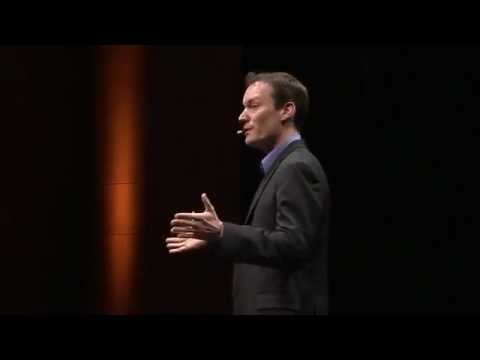
Shawn Achor- The happy secret to better work - ( Eng Sub Caption )
0
Ruth Tsai posted on 2014/06/16Ever wonder if happiness can actually boost your work performance? This talk from Harvard researcher Shawn Achor reveals the surprising science behind the 'happiness advantage' and shares practical, daily exercises like gratitude journaling to help you thrive! You'll pick up advanced vocabulary and complex sentence structures while learning how to become more productive and uplifted.
Learn this video on the APP!
The VoiceTube App has more in-depth practice for videos!