
act on
US /ækt ɑn/
UK /ækt ɔn/
- Verb (Transitive/Intransitive)
- To have an effect on something.
- To take formal action or make a decision regarding something.
- Phrasal Verb
- To take action as a result of information received.
- To have an effect on something.
B1Moreancient history
US
UK
- Uncountable Noun
- The study of the distant past, from the earliest humans through the first great civilizations.
- Events from the distant past, especially those concerning the early civilizations.
as one
US
UK
- Adverb
- Acting or moving together at the same time.
- In complete agreement or unity.
- Phrase
- With a single voice or opinion; unanimously.
- In perfect harmony or unison.
A1Moreas well as
US /æz wɛl æz/
UK /æz wel æz/
- Adverb
- Also; in addition to
- Preposition
- In addition to; and also.
A1Moreat a time
US /æt e taɪm/
UK /æt ə taim/
- Phrase
- Separately; one by one
- Simultaneously; together
A1Moreat home
US /æt hom/
UK /æt həum/
- Phrase
- In one's own residence or country.
- Adjective
- Feeling comfortable and relaxed.
at least
US /æt list/
UK /æt li:st/
- Adverb
- As a minimum
- Not less than
- Phrase
- No less than; at the minimum
- Used to indicate that something is positive in a bad situation.
C2Moreat school
US
UK
- Phrase
- Present and attending school.
A1Moreat that time
US /æt ðæt taɪm/
UK /æt ðæt taim/
- Phrase
- During a specific point in the past.
A1Moreat work
US /æt wɚk/
UK /æt wə:k/
- Phrase
- Located at one's place of employment
A1Moreback then
US
UK
- Phrase
- At that time in the past.
A1Morebottle up
US /ˈbɑtl ʌp/
UK /ˈbɔtl ʌp/
- Phrasal Verb
- To deliberately not show a strong feeling or emotion.
A1Morebreak from
US
UK
- Phrasal Verb
- To separate oneself from an association or way of life, typically due to disagreement or disillusionment.
A1Moreburn off
US /bɚn ɔf/
UK /bə:n ɔf/
- Phrasal Verb
- To get rid of calories through exercise or physical activity.
- To consume fuel through combustion.
B1Moreburst into
US
UK
- Phrasal Verb
- To enter a place suddenly and forcefully.
- To suddenly express an emotion.
B1Moreby chance
US /baɪ tʃæns/
UK /bai tʃɑ:ns/
- Adverb
- Accidentally; without planning.
- Phrase
- Accidentally; without planning.
B1Morecare for
US /kɛr fɔr/
UK /kɛə fɔ:/
- Phrasal Verb
- To want or desire a thing
- To look after someone who is ill, old, or very young.
A1Morecome together
US /kʌm təˈɡɛðɚ/
UK /kʌm təˈɡeðə/
- Phrasal Verb
- To assemble or unite; to start working together.
- To form a close relationship or bond.
A1Moredue to
US /du tu/
UK /dju: tu:/
- Preposition
- Because of; owing to
- Adjective
- Attributable to; caused by.
A1Moreelectrical
US /ɪˈlektrɪkl/
UK /ɪˈlektrɪkl/
- Adjective
- Related or connected to electricity
- Skilled in working with electricity.
A2Moreengineering
US /ˌendʒɪˈnɪrɪŋ/
UK /ˌendʒɪˈnɪərɪŋ/
- Uncountable Noun
- The practical application of science to industry
B1Morefire in the belly
US /ˈfaɪɚ ɪn ðə ˈbɛli/
UK /ˈfaɪə ɪn ðə ˈbelɪ/
- other
- Strong determination and passion to achieve something.
C1Morefor better or worse
US /fɚ ˈbɛtɚ ər wɝs/
UK /fə ˈbetə ɔ: wɜ:s/
- other
- Regardless of the good or bad consequences of an action or situation.
B2Morefor days
US /fɔr dez/
UK /fɔ: deɪz/
- Phrase
- For a long period of time; lasting several days.
for example
US
UK
- Phrase
- As an illustration or instance.
for some reason
US /fɔr sʌm ˈrizən/
UK /fɔ: sʌm ˈri:zən/
- Phrase
- For a reason that is not known or not easily explained.
A1Morefor sure
US /fɔr ʃʊr/
UK /fɔ: ʃuə/
- Adverb
- Definitely; certainly; without a doubt.
- Used to emphasize a statement.
- Interjection
- An expression of strong agreement or affirmation.
A2Morefrom that time
US
UK
- Phrase
- Starting at a specific point in the past and continuing forward.
- Referring to a period that began in the past.
A1Morefrom the start
US /frʌm ði stɑrt/
UK /frɔm ðə stɑ:t/
- Phrase
- From the very beginning; from the outset.
A1Moregive up
US /ɡɪv ʌp/
UK /ɡiv ʌp/
- Phrasal Verb
- To lose hope or admit defeat
- To decide to not start to try solving a problem
A1Morego on
US /ɡo ɑn/
UK /ɡəu ɔn/
- Phrasal Verb
- To continue doing something
- To happen (usually negative)
- Interjection
- Used to encourage someone
A1Moregoing on
US /ˈɡoɪŋ ɑn/
UK /ˈgəʊɪŋ ɔn/
- Phrasal Verb
- To continue doing something
- To happen (usually negative)
A1Moregot to
US /ɡɑt tu/
UK /gɔt tu:/
- Verb (Transitive/Intransitive)
- To arrive at some place
- To have the opportunity or permission to do something
- Phrasal Verb
- To appeal to the emotions of; move
- To finally begin to start something after a delay
A1Morehave to
US /hæv tu/
UK /ˈhæv tə/
- Auxiliary Verb
- Must do
A1Morehome in
US /ˈhoʊm ɪn/
UK /ˈhəum ɪn/
- other
- Move or direct toward a specific target or goal.
B2Moreimplant
US /ɪmˈplænt/
UK /ɪmˈplɑ:nt/
- Transitive Verb
- To put something into, an idea in someone's mind
- To put medical material in, as to improve teeth
- Noun
- Medical material, thing to improve the teeth, body
B2Morein different ways
US
UK
- Phrase
- Using various methods or approaches; with variety.
- In varying manners or styles; not uniformly.
A1Morein fact
US /ɪn fækt/
UK /in fækt/
- Adverb
- Used to emphasize the truth of a statement, especially one that contrasts with or contradicts something else.
- Used to introduce a more detailed or surprising piece of information.
- Phrase
- Used to emphasize the truth of a statement, especially one that is surprising or contrary to what might be expected.
C1Morein general
US /ɪn ˈdʒɛnərəl/
UK /in ˈdʒenərəl/
- Phrase
- Typically; usually; on the whole.
- Not specific or detailed; broadly.
- Adjective
- Not detailed or specific; overall.
C2Morein hand
US /ɪn hænd/
UK /in hænd/
- Phrase
- In one's possession or control.
in particular
US /ɪn pɚˈtɪkjəlɚ/
UK /in pəˈtikjulə/
- Phrase
- Specifically; especially.
- Detailed or precise.
A1Morein shape
US /ɪn ʃep/
UK /in ʃeip/
- Adjective
- In good physical condition; fit.
- Phrase
- In good physical condition.
- In good condition or order.
A1Morein terms of
US
UK
- Phrase
- With regard to; concerning a particular aspect.
A1Morein the ground
US
UK
- Phrase
- Located within or beneath the surface of the earth.
- Referring to something placed or growing in soil.
A1Morein with
US /ɪn wɪð/
UK /in wið/
- Phrase
- Fashionable or popular at the moment.
- Having influence or favor with someone.
- Phrasal Verb
- To introduce or bring something new into a system or organization.
A1Moreinstead of
US /ɪnˈstɛd ʌv/
UK /inˈsted ɔv/
- Preposition
- When one thing is replaced by another
- Adverb
- As a substitute or alternative.
A1Morelook at
US /lʊk æt/
UK /luk æt/
- Phrasal Verb
- To use your eyes to focus on something
- To focus your eyes on something carefully
A1Morelook back
US /lʊk bæk/
UK /luk bæk/
- Phrasal Verb
- To think about past events
A1Moremedical research
US
UK
- Uncountable Noun
- Scientific investigation to improve medical knowledge and treatments.
B2Morenext door
US /nɛkst dɔr/
UK /nekst dɔ:/
- Adverb
- Living in the house next to the one mentioned
A1Morenext to
US /nɛkst tu/
UK /nekst tu:/
- Preposition
- Being located along side another
- In comparison with
- Adverb
- Almost; nearly
A1Moreof course
US /ʌv kɔː(r)s/
UK /ɔv kɔː(r)s/
- Adverb
- Sure ; Certainly
- Phrase
- For sure; certainly
A2Moreof interest
US /əv ˈɪntrɪst/
UK /əv ˈɪntrəst/
- other
- Relevant or important to someone or something.
B2Moreon earth
US /ɑn ɚθ/
UK /ɔn ə:θ/
- Phrase
- Used to emphasize a question expressing surprise or anger.
- Used to emphasize that something is not possible or will not happen.
A1Moreon the beach
US
UK
- Phrase
- Located on the sandy or pebbly area bordering a body of water.
A1Moreon the part of
US
UK
- Phrase
- By or done by (someone); concerning someone.
- As far as (someone or something) is concerned; by (someone or something).
A1Moreon the same wavelength
US /ɑn ðə ˈseɪm ˈweɪvlɛŋθ/
UK /ɒn ðə ˈseɪm ˈweɪvlɛŋθ/
- other
- Having similar ideas or feelings; understanding each other well.
B2Moreon to
US /ɑn tu/
UK /ɔn tu:/
- Preposition
- Toward something; forward
- Aware of someone's activities.
- Adjective
- Aware of someone's deception or illegal activities.
A1Morephone in
US /foʊn ɪn/
UK /fəʊn ɪn/
- other
- Call someone by phone, often to report or notify remotely.
B2Moreput together
US /pʊt təˈɡɛðɚ/
UK /put təˈɡeðə/
- Phrasal Verb
- To build or assemble something small, e.g. a toy
- To organize or arrange something.
A1Moreresearch
US /rɪˈsɚtʃ, ˈriˌsɚtʃ/
UK /rɪ'sɜ:tʃ/
- Verb (Transitive/Intransitive)
- To study in order to discover new ideas and facts
- To study the market relating to marketing products and services.
- Noun (Countable/Uncountable)
- Study done to discover new ideas and facts
- A particular area or topic of study.
A2TOEICMoreround to
US /raʊnd tə/
UK /raund tə/
- other
- To visit someone's place informally, usually briefly.
B2Moresecond hand
US /ˈsɛkənd hænd/
UK /ˈsekənd hænd/
- Adverb
- (Of goods) already used
A1Moreset aside
US
UK
- Phrasal Verb
- To reject or throw away, e.g. an idea
- To separate and save for another use or time
- Transitive Verb
- To keep or save something for use at a later time.
- To designate or allocate something for a specific purpose or group.
A1Moreset up
US /sɛt ʌp/
UK /set ʌp/
- Phrasal Verb
- To make arrangements for something; establish
- Verb (Transitive/Intransitive)
- To arrange or prepare something for use.
- To start a business, organization, etc.
A1Moreslow down
US /slo daʊn/
UK /sləu daun/
- Phrasal Verb
- To reduce the speed
- To become less active or busy.
A1Morespeech
US /spitʃ/
UK /spi:tʃ/
- Uncountable Noun
- A formal talk to an audience
- Expression of ideas or opinions by talking
A2TOEICMoresuch as
US /sʌtʃ æz/
UK /sʌtʃ æz/
- Preposition
- For example; like
A1Moretalk about it
US /tɔk əˈbaʊt ɪt/
UK /tɔ:k əˈbaut it/
- Verb (Transitive/Intransitive)
- To discuss a particular subject.
A1Morethe following
US
UK
- Adjective
- Next in order or sequence.
- Uncountable Noun
- What is about to be said or written.
B1Morethink about
US /θɪŋk əˈbaʊt/
UK /θiŋk əˈbaut/
- Phrasal Verb
- To consider something carefully.
- To remember or call to mind.
A1Morethink of
US /θɪŋk ʌv/
UK /θiŋk ɔv/
- Phrasal Verb
- To look on as (being something specific); consider
- To consider or remember something.
- Verb (Transitive/Intransitive)
- To imagine or call something to mind
A1Morethink through
US /θɪŋk θru/
UK /θiŋk θru:/
- Phrasal Verb
- To consider carefully so all points are covered
A1Morethird year
US
UK
- Noun
- The third year of a course of study, especially at a university or college.
A2Moreto date
US /tu det/
UK /tu: deit/
- Phrase
- Up to the present time; until now.
- Verb (Transitive/Intransitive)
- To go out on romantic dates with someone.
C2Moreto some extent
US /tu sʌm ɪkˈstɛnt/
UK /tu: sʌm iksˈtent/
- Phrase
- Partially; not completely.
A1Moreturned out
US
UK
- Phrasal Verb
- To arrive for a public event or entertainment
- To happen to be in the end
- Transitive Verb
- To extinguish or switch off lights.
A1Moreup till
US /ʌp tɪl/
UK /ʌp tɪl/
- other
- Until a particular time or point.
A2Moreused to
US /juzd tu/
UK /ˈju:st tə/
- Adjective
- Did regularly before, but don't do now
- Auxiliary Verb
- Have done before, but do not do now
A1Morewake up
US /wek ʌp/
UK /weik ʌp/
- Phrasal Verb
- To stop sleeping
- To become fully aware and alert to a situation.
A1Morewalk over
US /wɔk ˈovɚ/
UK /wɔ:k ˈəuvə/
- Phrasal Verb
- To treat someone badly, as if they had no rights
A1Moreway to go
US /we tu ɡo/
UK /wei tu: ɡəu/
- Interjection
- An expression of encouragement or approval.
- An expression of sarcasm after someone has made a mistake.
A1Morewith it
US /wɪð ɪt/
UK /wið it/
- Adjective
- Intelligent, alert, and up-to-date.
- Understanding and knowledgeable about current trends or information.
A1Morework in
US /wɚk ɪn/
UK /wə:k in/
- Phrasal Verb
- To make an opening for something in your schedule
- To fit person/thing into a schedule or sequence
A1Morework on
US /wɚk ɑn/
UK /wə:k ɔn/
- Phrasal Verb
- To devote effort to improve or develop something
- To try to persuade or influence someone.
A1More
Vocabulary
- of course: Sure ; Certainly
- used to: Did regularly before, but don't do now
- in particular: Specifically; especially.
- going on: To continue doing something
- next door: Living in the house next to the one mentioned
- set up
- at home: In one's own residence or country.
- with it: Intelligent, alert, and up-to-date.
- think about: To consider something carefully.
- for example: As an illustration or instance.
- in terms of
- in fact: Used to emphasize the truth of a statement, especially one that contrasts with or contradicts something else.
- work on: To devote effort to improve or develop something
- slow down: To reduce the speed
- wake up: To stop sleeping
- up till: Until a particular time or point.
- in the ground: Located within or beneath the surface of the earth.
- for days: For a long period of time; lasting several days.
- walk over: To treat someone badly, as if they had no rights
- in different ways: Using various methods or approaches; with variety.
- at school: Present and attending school.
- care for: To want or desire a thing
- the following: Next in order or sequence.
- look at: To use your eyes to focus on something
- third year: The third year of a course of study, especially at a university or college.
- by chance: Accidentally; without planning.
- round to: To visit someone's place informally, usually briefly.
- from that time: Starting at a specific point in the past and continuing forward.
- in general: Typically; usually; on the whole.
- to date: Up to the present time; until now.
- fire in the belly: Strong determination and passion to achieve something.
- for better or worse: Regardless of the good or bad consequences of an action or situation.
- for some reason: For a reason that is not known or not easily explained.
- give up: To lose hope or admit defeat
- second hand: (Of goods) already used
- turned out: To arrive for a public event or entertainment
- think through: To consider carefully so all points are covered
- got to: To arrive at some place
- as one: Acting or moving together at the same time.
- at a time: Separately; one by one
- ancient history: The study of the distant past, from the earliest humans through the first great civilizations.
- break from: To separate oneself from an association or way of life, typically due to disagreement or disillusionment.
- back then: At that time in the past.
- go on: To continue doing something
- talk about it: To discuss a particular subject.
- bottle up: To deliberately not show a strong feeling or emotion.
- home in: Move or direct toward a specific target or goal.
- burn off: To get rid of calories through exercise or physical activity.
- work in: To make an opening for something in your schedule
- at work: Located at one's place of employment
- put together: To build or assemble something small, e.g. a toy
- for sure: Definitely; certainly; without a doubt.
- medical research: Scientific investigation to improve medical knowledge and treatments.
- on the same wavelength: Having similar ideas or feelings; understanding each other well.
- such as: For example; like
- on to: Toward something; forward
- phone in: Call someone by phone, often to report or notify remotely.
- of interest: Relevant or important to someone or something.
- set aside: To reject or throw away, e.g. an idea
- on earth: Used to emphasize a question expressing surprise or anger.
- from the start: From the very beginning; from the outset.
- act on: To have an effect on something.
- on the part of: By or done by (someone); concerning someone.
- in hand: In one's possession or control.
- on the beach: Located on the sandy or pebbly area bordering a body of water.
- in shape: In good physical condition; fit.
- due to: Because of; owing to
- burst into: To enter a place suddenly and forcefully.
- as well as: Also; in addition to
- in with: Fashionable or popular at the moment.
- next to: Being located along side another
- instead of: When one thing is replaced by another
- at that time: During a specific point in the past.
- at least: As a minimum
- have to: Must do
- to some extent: Partially; not completely.
- way to go: An expression of encouragement or approval.
- come together: To assemble or unite; to start working together.
- look back: To think about past events
- think of: To look on as (being something specific); consider
- people: Persons sharing culture, country, background, etc.
- think: To have an idea about something without certainty
- work: The product of some artistic or literary endeavor
- research: To study in order to discover new ideas and facts
- need: To be unable to manage without something; require
- hear: To be aware of sound; to perceive with the ear
- lot: What happens to a person in life from chance; fate
- speech: A formal talk to an audience
- university: High-level educational institution; college
- money: Coins or notes we use to pay for things
- electrical: Related or connected to electricity
- engineering: The practical application of science to industry
- implant: To put something into, an idea in someone's mind
- worked: To bring into a specific state of success
Get the full experience in the app
Learn anywhere with detailed sentence and usage analysis
01:03
She took a brave step forward, leaving behind her comfort zone to chase her dreams.
Vocabulary
- brave
adj. Having courage
- comfort zone
phr. A familiar situation where one feels safe
Explanation
a brave step is a noun phrase, where brave is an adjective modifying the noun step, meaning "a courageous step".
forward is an adverb modifying step, meaning "ahead".
The whole phrase serves as the object, answering the "what" of took (verb) — she took a brave step forward.
Get the full experience in the app
Look up words anytime with pronunciation, part of speech, and usage
brave
US/brev/
UK/breɪv/
adj.Brave
v.t.To bravely face
A2 Elementary
Get the full experience in the app
Practice speaking anytime and get instant pronunciation feedback
Try this speaking exercise.
Try practicing with this sentence.
80
0
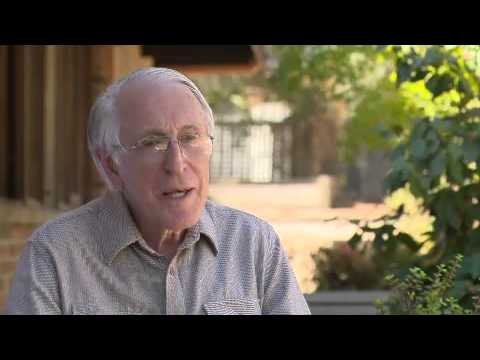
dharma posted on 2014/05/25Ever wondered how groundbreaking scientific advancements happen? This inspiring story follows Professor Graeme Clark's lifelong quest to develop the Cochlear Implant, a journey that required immense courage and determination. You'll hear about his early life and the passion that drove him to transform lives and open new frontiers in science and medicine.
Learn this video on the APP!
The VoiceTube App has more in-depth practice for videos!