
advice
US /əd'vaɪs/
UK /ədˈvaɪs/
- Uncountable Noun
- Suggestion about what would help someone
- Professional guidance from a lawyer or legal expert.
A2TOEICMoreat the same time
US
UK
- Phrase
- Simultaneously; at the identical moment.
- Nevertheless; however; used to introduce a contrasting or qualifying statement.
A1Moreblessing in disguise
US
UK
- Noun (Countable/Uncountable)
- Something that seems bad or unlucky at first, but results in something good.
B2Morecheer up
US /tʃɪr ʌp/
UK /tʃiə ʌp/
- Phrasal Verb
- To make or become happier or less upset
A2Morecome back
US /kʌm bæk/
UK /kʌm bæk/
- Phrasal Verb
- To reply to someone, often forcefully
- To be remembered
A1Morecome up
US /kʌm ʌp/
UK /kʌm ʌp/
- Phrasal Verb
- To come closer to someone; approach
- (Of sun) to rise into the sky in the morning
A1Morecry on
US /kraɪ ɑn/
UK /krai ɔn/
- Phrasal Verb
- To seek comfort from someone by crying and talking about one's troubles.
A1Moredo in
US
UK
- Phrasal Verb
- To make completely tired out and exhausted
- To destroy or cause damage to someone
A1Moredown in the dumps
US /daʊn ɪn ðə dʌmps/
UK /daʊn ɪn ðə dʌmps/
- other
- Feeling sad, depressed, or discouraged.
B1Moreexpression
US /ɪkˈsprɛʃən/
UK /ɪk'spreʃn/
- Noun (Countable/Uncountable)
- Act of making your thoughts and feelings known
- Group of words that have a specific meaning
A2TOEICMorefeel like
US
UK
- Intransitive Verb
- To have a desire or inclination for something.
- To have a particular quality or sensation; resemble.
A1Morego out
US /ɡo aʊt/
UK /ɡəu aut/
- Phrase
- To leave a building (e.g. a house)
- Phrasal Verb
- (Of a fire) to burn out; be extinguished
- Go out of fashion to stop being fashionable
A1Moregoing on
US /ˈɡoɪŋ ɑn/
UK /ˈgəʊɪŋ ɔn/
- Phrasal Verb
- To continue doing something
- To happen (usually negative)
A1Morehave to
US /hæv tu/
UK /ˈhæv tə/
- Auxiliary Verb
- Must do
A1Moreidiom
US /ˈɪdiəm/
UK /ˈɪdiəm/
- Noun
- Phrase with a special, metaphoric meaning
B2Morein disguise
US /ɪn dɪsˈɡaɪz/
UK /in disˈɡaiz/
- Phrase
- Having altered one's appearance to conceal one's identity.
- Seeming different from what it really is; concealing the true nature.
B2Morein general
US /ɪn ˈdʒɛnərəl/
UK /in ˈdʒenərəl/
- Phrase
- Typically; usually; on the whole.
- Not specific or detailed; broadly.
- Adjective
- Not detailed or specific; overall.
C2Morein need
US /ɪn nid/
UK /in ni:d/
- Phrase
- Not having the necessary things, such as food
A1Morein the dumps
US
UK
- Phrase
- Feeling sad or depressed.
A1Morein the end
US /ɪn ði ɛnd/
UK /in ðə end/
- Phrase
- Finally; after a period of time or series of events.
- Ultimately; as the final result or consequence.
A1Morein the future
US /ɪn ði ˈfjutʃɚ/
UK /in ðə ˈfju:tʃə/
- Phrase
- At a later time; in times to come.
A1Morelook at
US /lʊk æt/
UK /luk æt/
- Phrasal Verb
- To use your eyes to focus on something
- To focus your eyes on something carefully
A1Morelook for
US /lʊk fɔr/
UK /luk fɔ:/
- Phrasal Verb
- To try to find a thing or person that is lost
- To expect or anticipate something.
A1Moreon the internet
US
UK
- Phrase
- Located or available on the internet.
- Using the internet as a medium or platform.
A1Moresame time
US
UK
- Phrase
- Occurring simultaneously or at the same point in time.
- At the identical time as before; recurring at a fixed hour.
- Noun
- An equal duration or period.
A1Moreshare
US /ʃɛr/
UK /ʃeə(r)/
- Noun (Countable/Uncountable)
- Part-ownership in a property, business or company
- Part of a company you own, shown by a certificate
- Transitive Verb
- To divide something between two or more people
- To allow others to use your things equally
A2TOEICMoretalking about
US
UK
- Phrasal Verb
- To discuss a particular topic.
- To be constantly mentioning or bringing up a subject.
A1Morethink about
US /θɪŋk əˈbaʊt/
UK /θiŋk əˈbaut/
- Phrasal Verb
- To consider something carefully.
- To remember or call to mind.
A1Moreupset
US /ʌpˈsɛt/
UK /ʌpˈset/
- Adjective
- (Of stomach, etc.) not functioning well; sick
- Troubled, worried, or angry
- Transitive Verb
- To turn upside down or on its side
- To trouble, worry, or anger someone
A2Moreused to
US /juzd tu/
UK /ˈju:st tə/
- Adjective
- Did regularly before, but don't do now
- Auxiliary Verb
- Have done before, but do not do now
A1Morewatch out
US /wɑtʃ aʊt/
UK /wɔtʃ aut/
- Phrasal Verb
- To be careful; to be alert to danger
A1More
Vocabulary
- talking about: To discuss a particular topic.
- look at: To use your eyes to focus on something
- in the dumps: Feeling sad or depressed.
- come up: To come closer to someone; approach
- cry on: To seek comfort from someone by crying and talking about one's troubles.
- have to: Must do
- down in the dumps: Feeling sad, depressed, or discouraged.
- do in: To make completely tired out and exhausted
- in need: Not having the necessary things, such as food
- watch out: To be careful; to be alert to danger
- used to: Did regularly before, but don't do now
- on the internet: Located or available on the internet.
- look for: To try to find a thing or person that is lost
- go out: To leave a building (e.g. a house)
- in disguise: Having altered one's appearance to conceal one's identity.
- blessing in disguise: Something that seems bad or unlucky at first, but results in something good.
- in the end: Finally; after a period of time or series of events.
- come back: To reply to someone, often forcefully
- think about: To consider something carefully.
- in general: Typically; usually; on the whole.
- feel like: To have a desire or inclination for something.
- going on: To continue doing something
- cheer up: To make or become happier or less upset
- at the same time: Simultaneously; at the identical moment.
- same time: Occurring simultaneously or at the same point in time.
- in the future: At a later time; in times to come.
- thought: To have an idea about something without certainty
- bit: Device put in a horse's mouth to control it
- situation: Place, position or area that something is in
- expression: Act of making your thoughts and feelings known
- people: Persons sharing culture, country, background, etc.
- kind: In a caring and helpful manner
- feel: To be aware of or experience an emotion, sensation
- give: Degree of flexibility in something, a material
- advice: Suggestion about what would help someone
- problem: Something difficult to deal with or causes trouble
- upset: (Of stomach, etc.) not functioning well; sick
- friend: Person who you like and enjoy being with
- share: Part-ownership in a property, business or company
- lose: To be unable to keep in check or control something
- idiom: Phrase with a special, metaphoric meaning
Get the full experience in the app
Learn anywhere with detailed sentence and usage analysis
01:03
She took a brave step forward, leaving behind her comfort zone to chase her dreams.
Vocabulary
- brave
adj. Having courage
- comfort zone
phr. A familiar situation where one feels safe
Explanation
a brave step is a noun phrase, where brave is an adjective modifying the noun step, meaning "a courageous step".
forward is an adverb modifying step, meaning "ahead".
The whole phrase serves as the object, answering the "what" of took (verb) — she took a brave step forward.
Get the full experience in the app
Look up words anytime with pronunciation, part of speech, and usage
brave
US/brev/
UK/breɪv/
adj.Brave
v.t.To bravely face
A2 Elementary
Get the full experience in the app
Practice speaking anytime and get instant pronunciation feedback
Try this speaking exercise.
Try practicing with this sentence.
80
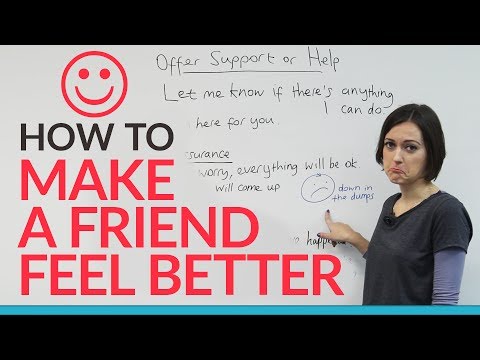
How to make someone feel better
0
Mises posted on 2016/03/21Ever struggled to find the right words when a friend is down? This video is your go-to guide for comforting someone, especially after job loss, packed with practical phrases and supportive British English idioms! You'll learn exactly what to say and how to say it to offer genuine support and strengthen your friendships.
Learn this video on the APP!
The VoiceTube App has more in-depth practice for videos!