
assume
US /əˈsum/
UK /ə'sju:m/
- Transitive Verb
- To act in a false manner to mislead others
- To believe, based on the evidence; suppose
A2TOEICMorebug
US /bʌɡ/
UK /bʌɡ/
- Transitive Verb
- To bother someone
- To hide an electronic device to spy on someone
- Countable Noun
- An insect
- Problem in the functioning of computer code
B1Morecarefree
US /ˈkerfri:/
UK /ˈkeəfri:/
- Adjective
- Without cares or responsibilities
C2Morecheck out
US /tʃɛk aʊt/
UK /tʃek aut/
- Phrase
- Phrasal Verb
- To find out information about something
- To take books out of a library
A1Morecollapse
US /kəˈlæps/
UK /kə'læps/
- Verb (Transitive/Intransitive)
- To fold (e.g. a stroller) down to make it smaller
- To suddenly fall down or break apart into pieces
- Noun
- The sudden failure of a structure or system.
- The sudden failure of a bodily organ or function.
B1Morecomment
US /ˈkɑmɛnt/
UK /'kɒment/
- Noun (Countable/Uncountable)
- Something you say, giving an opinion; remark
- An explanatory note in a computer program.
- Verb (Transitive/Intransitive)
- To say something that gives your opinion
- To add explanatory notes to a computer program.
A2Morecommitment
US /kəˈmɪtmənt/
UK /kə'mɪtmənt/
- Noun
- Permanent love or concern for person, thing
- Promise or decision to do something for a purpose
A2Moreconscious
US /ˈkɑnʃəs/
UK /ˈkɒnʃəs/
- Adjective
- Aware of what is going on around you
- Intentionally done; deliberate.
A2Moreconstantly
US /ˈkɑnstəntlɪ/
UK /ˈkɒnstəntli/
- Adverb
- Frequently, or without pause
- In a way that is unchanging or faithful
B1Morecontent
US /ˈkɑnˌtɛnt/
UK /'kɒntent/
- Adjective
- Being happy or satisfied
- In a state of peaceful happiness.
- Noun (Countable/Uncountable)
- Information in something, e.g. book or computer
- The subject matter of a book, speech, etc.
A2Morecurrent
US /ˈkɚrənt, ˈkʌr-/
UK /'kʌrənt/
- Uncountable Noun
- Electricity flowing through wires
- Movement of water in a river, or air in the sky
- Adjective
- Happening or being in the present time
- In general use or accepted by most people.
A2Morededicate
US /ˈdɛdɪˌket/
UK /'dedɪkeɪt/
- Transitive Verb
- To state a person's name in book, song, in respect
- To give your energy, time, etc. completely
B1TOEICMoredemand
US /dɪˈmænd/
UK /dɪ'mɑ:nd/
- Noun (Countable/Uncountable)
- Desire customers have to buy product, service
- A strong request for someone to do something
- Transitive Verb
- To strongly request someone to do something
- To need something.
A2TOEICMoredemonstrate
US /ˈdɛmənˌstret/
UK /'demənstreɪt/
- Verb (Transitive/Intransitive)
- To display a feeling or ability openly
- To protest about something often as a group
A2TOEICMoredisappoint
US /ˌdɪsəˈpɔɪnt/
UK /ˌdɪsə'pɔɪnt/
- Transitive Verb
- To not meet the expectations of others or yourself
B1Moredisrespect
US /ˌdɪsrɪˈspɛkt/
UK /ˌdɪsrɪˈspekt/
- Uncountable Noun
- Lack of respect
- Transitive Verb
- To show disregard or a lack of respect for someone
B1Moredistract
US /dɪˈstrækt/
UK /dɪ'strækt/
- Transitive Verb
- To draw someone's attention away from something
B1TOEICMoreeat up
US /it ʌp/
UK /i:t ʌp/
- Phrasal Verb
- To eat all of something
- To use a large amount of something, especially money or time.
A1Moreexplore
US /ɪkˈsplɔr/
UK /ɪk'splɔ:(r)/
- Transitive Verb
- To examine something in detail to learn about it
- To travel to a place to discover more about it
A2TOEICMorefade away
US
UK
- Phrasal Verb
- To disappear slowly
A2Morefeel happy
US
UK
- Intransitive Verb
- To experience a sense of joy, pleasure, or contentment.
A1Morefeel like
US
UK
- Intransitive Verb
- To have a desire or inclination for something.
- To have a particular quality or sensation; resemble.
A1Morefeel stuck
US
UK
- Phrase
- To feel unable to progress or change a situation, often leading to frustration or helplessness.
A1Morefor example
US
UK
- Phrase
- As an illustration or instance.
foster
US /'fɔ:stər/
UK /'fɒstə(r)/
- Transitive Verb
- To raise a child who is not yours, for payment
- To raise a child who is not yours, for payment
B1TOEICMorefoundation
US /faʊnˈdeʃən/
UK /faunˈdeiʃən/
- Noun (Countable/Uncountable)
- Base or important starting point
- Underground base on which building is constructed
C1TOEICMorefriendship
US /ˈfrɛndˌʃɪp/
UK /ˈfrendʃɪp/
- Uncountable Noun
- Feeling of liking someone; good relationship
B1Morego hand in hand
US /goʊ hænd ɪn hænd/
UK /gəu ˈhænd ɪn ˈhænd/
- other
- Two things closely related or connected, usually occurring together.
B1Moreguarantee
US /ˌɡærənˈti/
UK /ˌɡærən'ti:/
- Transitive Verb
- To promise to repair a broken product
- To promise that something will happen or be done
- Countable Noun
- A promise to repair a broken product
- Promise that something will be done as expected
A2TOEICMorein hand
US /ɪn hænd/
UK /in hænd/
- Phrase
- In one's possession or control.
in mind
US /ɪn maɪnd/
UK /in maind/
- Phrase
- Being aware of or considering something.
- To remember or consider something.
A2Morein the future
US /ɪn ði ˈfjutʃɚ/
UK /in ðə ˈfju:tʃə/
- Phrase
- At a later time; in times to come.
A1Morein the past
US
UK
- Phrase
- During a former period of time; previously.
A1Moreinfluence
US / ˈɪnfluəns/
UK /'ɪnflʊəns/
- Verb (Transitive/Intransitive)
- To affect or change something indirectly
- To persuade someone to do something.
- Noun (Countable/Uncountable)
- The power to affect what happens, to persuade etc.
- A person or thing that affects someone or something in an important way.
A2TOEICMoreinspire
US /ɪnˈspaɪr/
UK /ɪn'spaɪə(r)/
- Transitive Verb
- To give someone an idea to do or make something
- To make someone feel a certain emotion
- Intransitive Verb
- To breathe in
- To draw (air, etc.) into the lungs.
B1TOEICMorelatch
US /lætʃ/
UK /lætʃ/
- Transitive Verb
- To tightly attach yourself to something
- Noun
- A (door lock)
B2Morelatch onto
US
UK
- Phrasal Verb
- To understand something, often after a period of confusion.
- To attach oneself to someone or something; to cling to.
A1Morelifetime
US /ˈlaɪfˌtaɪm/
UK /ˈlaɪftaɪm/
- Noun (Countable/Uncountable)
- The time between birth and death
- An opportunity that is unlikely to occur again.
- Adjective
- Lasting for the duration of someone's life or the existence of something.
B1Moreobligate
US /ˈɑblɪˌɡet/
UK /'ɒblɪgeɪt/
- Transitive Verb
- To force someone to do something, as a duty
B2Moreoutdate
US /aʊt'deɪt/
UK /aʊt'deɪt/
- Transitive Verb
- To be older than
B2Morepast it
US
UK
- Adjective
- No longer capable or effective due to age or declining condition.
- Beyond the point of being useful or functional.
A1Morepsychological
US /ˌsaɪkəˈlɑdʒɪkəl/
UK /ˌsaɪkəˈlɒdʒɪkl/
- Adjective
- Concerning the study of the mind
- Relating to or involving the use of propaganda, threats, or other psychological techniques to subdue an opponent.
A2Morepsychology
US /saɪˈkɑlədʒi/
UK /saɪ'kɒlədʒɪ/
- Uncountable Noun
- The study of the mind and how it affects behavior
- Way in which a person or group thinks and behaves
C2Moreresonate
US /ˈrɛzəˌnet/
UK /'rezəneɪt/
- Intransitive Verb
- (Of ideas) to have a big impact for a long time
- (E.g. of a bell) to sound clearly for a long time
C2TOEICMoresection
US / ˈsɛkʃən/
UK /'sekʃn/
- Noun (Countable/Uncountable)
- A part of a whole
- Specific group of people from a larger group
- Transitive Verb
- To divide something into smaller parts
B1TOEICMorespill
US /spɪl/
UK /spɪl/
- Noun
- Accident when someone falls
- Act of allowing a fluid to escape
- Verb (Transitive/Intransitive)
- To come out of and spread beyond limits
- To tell secrets or let information escape
B1Morestick
US /stɪk/
UK /stɪk/
- Verb (Transitive/Intransitive)
- To push a sharp or pointed object into something
- To join together using glue or paste
- Countable Noun
- Long thin piece of wood from a tree
A2Morestrength
US /strɛŋkθ, strɛŋθ, strɛnθ/
UK /streŋθ/
- Noun (Countable/Uncountable)
- Condition of being strong
- The quality or state of being physically strong.
A2TOEICMoretalk down to
US
UK
- Phrasal Verb
- To speak to someone as if they are less intelligent than you.
A1Morethink about
US /θɪŋk əˈbaʊt/
UK /θiŋk əˈbaut/
- Phrasal Verb
- To consider something carefully.
- To remember or call to mind.
A1Moreto let
US /tu lɛt/
UK /tu let/
- Preposition
- Indicates that a property is available for rent.
A2Moretoxic
US /ˈtɑksɪk/
UK /ˈtɒksɪk/
- Adjective
- Poisonous; harmful
- (Of relationships) harmful; causing conflict
B2Moreunfair
US /ˌʌnˈfer/
UK /ˌʌnˈfeə(r)/
- Adjective
- not treating people in an equal way, or not morally right
B1TOEICMorevaluable
US /ˈvæljuəbəl, ˈvæljə-/
UK /ˈvæljuəbl/
- Adjective
- Being useful or important
- Being worth a lot of money
B1TOEICMoreworth
US /wɚθ/
UK /wɜ:θ/
- Noun (Countable/Uncountable)
- the financial, practical or moral value of somebody/something
- having a particular value, especially in money
- Adjective
- Having a specified value.
A2More
Vocabulary
- in the past: During a former period of time; previously.
- think about: To consider something carefully.
- feel stuck: To feel unable to progress or change a situation, often leading to frustration or helplessness.
- feel like: To have a desire or inclination for something.
- fade away: To disappear slowly
- past it: No longer capable or effective due to age or declining condition.
- latch onto: To understand something, often after a period of confusion.
- to let: Indicates that a property is available for rent.
- check out
- in hand: In one's possession or control.
- go hand in hand: Two things closely related or connected, usually occurring together.
- feel happy: To experience a sense of joy, pleasure, or contentment.
- in the future: At a later time; in times to come.
- for example: As an illustration or instance.
- talk down to: To speak to someone as if they are less intelligent than you.
- eat up: To eat all of something
- in mind: Being aware of or considering something.
- constantly: Frequently, or without pause
- stick: To push a sharp or pointed object into something
- assume: To act in a false manner to mislead others
- conscious: Aware of what is going on around you
- commitment: Permanent love or concern for person, thing
- content: Being happy or satisfied
- demonstrate: To display a feeling or ability openly
- guarantee: To promise to repair a broken product
- psychological: Concerning the study of the mind
- strength: Condition of being strong
- dedicate: To state a person's name in book, song, in respect
- distract: To draw someone's attention away from something
- current: Electricity flowing through wires
- demand: Desire customers have to buy product, service
- psychology: The study of the mind and how it affects behavior
- explore: To examine something in detail to learn about it
- comment: Something you say, giving an opinion; remark
- influence: To affect or change something indirectly
- toxic: Poisonous; harmful
- worth: the financial, practical or moral value of somebody/something
- collapse: To fold (e.g. a stroller) down to make it smaller
- foundation: Base or important starting point
- inspire: To give someone an idea to do or make something
- explain: To make clear or easy to understand by describing
- valuable: Being useful or important
- section: A part of a whole
- decision: Choice made after thinking; final judgment
- resonate: (Of ideas) to have a big impact for a long time
- subject: The person, thing, or idea that is being discussed, described, or studied.
- foster: To raise a child who is not yours, for payment
- click: To work well with someone or something
- leave: To go away from; depart
- spill: Accident when someone falls
- important: Having power or authority
- latch: To tightly attach yourself to something
- build: Your physical shape; physique
- catch: Amount of something that has been caught
- support: To give assistance or advice to someone
- wrong: Action that is harmful, unjust or illegal
- last: Final; with nothing following; after all others
- person: Man, woman or child
- laugh: To make a happy sound when something is funny
- healthy: In good condition physically, or financially; well
- feel: To be aware of or experience an emotion, sensation
- bug: To bother someone
- lifetime: The time between birth and death
- carefree: Without cares or responsibilities
- disappoint: To not meet the expectations of others or yourself
- friendship: Feeling of liking someone; good relationship
- unfair: not treating people in an equal way, or not morally right
- disrespect: Lack of respect
- obligate: To force someone to do something, as a duty
- outdate: To be older than
Get the full experience in the app
Learn anywhere with detailed sentence and usage analysis
01:03
She took a brave step forward, leaving behind her comfort zone to chase her dreams.
Vocabulary
- brave
adj. Having courage
- comfort zone
phr. A familiar situation where one feels safe
Explanation
a brave step is a noun phrase, where brave is an adjective modifying the noun step, meaning "a courageous step".
forward is an adverb modifying step, meaning "ahead".
The whole phrase serves as the object, answering the "what" of took (verb) — she took a brave step forward.
Get the full experience in the app
Look up words anytime with pronunciation, part of speech, and usage
brave
US/brev/
UK/breɪv/
adj.Brave
v.t.To bravely face
A2 Elementary
Get the full experience in the app
Practice speaking anytime and get instant pronunciation feedback
Try this speaking exercise.
Try practicing with this sentence.
80
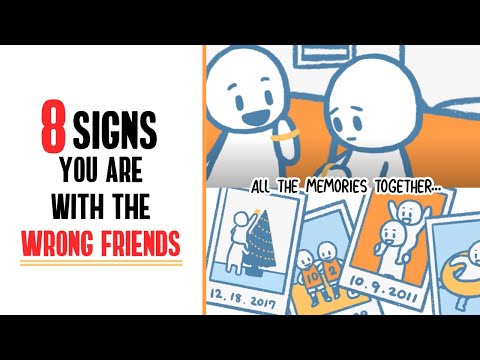
8 Signs You're With The Wrong Friends
0
Mahiro Kitauchi posted on 2020/08/27Ever feel like your friendships are draining you? This video dives into 8 warning signs that you might be with the wrong friends, helping you build healthier boundaries and boost your emotional well-being. You'll pick up practical phrases for navigating tricky social situations and learn to trust your gut!
Learn this video on the APP!
The VoiceTube App has more in-depth practice for videos!