
aid
US /ed/
UK /eɪd/
- Transitive Verb
- To help others and provide things
- Noun (Countable/Uncountable)
- Action of giving help to others
- Money or help given to those who need it
A2TOEICMoreall the things
US
UK
- Pronoun
- Everything; all items or aspects
- Determiner
- Every item or object being considered or discussed.
A1Morealong with
US /əˈlɔŋ wɪð/
UK /əˈlɔŋ wið/
- Preposition
- In addition to; together with.
- Adverb
- In company or together with someone or something.
- Including; in addition to.
A2Moreapplause
US /əˈplɔz/
UK /ə'plɔ:z/
- Noun (Countable/Uncountable)
- The sound made by clapping a performance or speech
B1Morearound the world
US /əˈraʊnd ði wɜrld/
UK /əˈraund ðə wɜː(r)ld/
- Phrase
- In or to many countries.
- In various places throughout the world.
A2Moreat a time
US /æt e taɪm/
UK /æt ə taim/
- Phrase
- Separately; one by one
- Simultaneously; together
A1Moreat night
US /æt naɪt/
UK /æt nait/
- Phrase
- During the night; in the nighttime.
A1Morebalance out
US /ˈbæləns aʊt/
UK /ˈbæləns aut/
- Phrasal Verb
- To make or become more equal to another thing
A2Morebased on
US
UK
- Phrasal Verb
- To use something as the foundation or starting point for something else.
- Preposition
- Using something as the main idea or foundation.
- Relying on something as evidence or justification.
A1Morebill
US /bɪl/
UK /bɪl/
- Noun
- Plan for a new law being discussed by a government
- Sign or poster advertising something
- Transitive Verb
- To request payment by handing over an invoice
A2TOEICMorebring down
US /brɪŋ daʊn/
UK /briŋ daun/
- Phrasal Verb
- To destroy (government, etc.) forcefully
- To kill someone, often with a gun
A1Moreby numbers
US /baɪ ˈnʌmbɚz/
UK /baɪ ˈnʌmbəz/
- other
- Doing something exactly according to instructions or method.
B2Morecare of
US /kɛr ʌv/
UK /kɛə ɔv/
- Preposition
- Used in an address to indicate the person who will receive the mail for someone else.
A2Morechop wood
US
UK
- Transitive Verb
- To cut wood into pieces with an axe or other sharp tool.
B2Morecome after
US /kʌm ˈæftɚ/
UK /kʌm ˈɑ:ftə/
- Phrasal Verb
- To follow someone in order to threaten them
A1Morecome at
US /kʌm æt/
UK /kʌm æt/
- Phrasal Verb
- To approach someone to attack them
A1Morecome back
US /kʌm bæk/
UK /kʌm bæk/
- Phrasal Verb
- To reply to someone, often forcefully
- To be remembered
A1Morecome from
US /kʌm frʌm/
UK /kʌm frɔm/
- Phrasal Verb
- To have as your native country or city
A1Morecompared with
US /kəmˈpɛrd wɪð/
UK /kəmˈpeəd wið/
- Preposition
- In relation to
- Verb (Transitive/Intransitive)
- To have examined the differences or similarities between two or more things.
A1Morecontrary to
US /ˈkɑnˌtrɛri tu/
UK /ˈkɔntrəri tu:/
- Preposition
- In opposition to; against.
- Differing from; not in agreement with.
A1Moredig out
US /dɪɡ aʊt/
UK /diɡ aut/
- Phrasal Verb
- To remove something from a place by digging.
- To discover or find something, especially after searching for it.
A1Moredown with
US /daʊn wɪð/
UK /daun wið/
- Adjective
- Suffering from an illness.
- Agreeable to; in favor of.
- Interjection
- An expression of opposition to something.
A1Moreeducation
US /ˌɛdʒəˈkeʃən/
UK /ˌedʒuˈkeɪʃn/
- Uncountable Noun
- Academic field studying the practice of teaching
- Process of giving or receiving teaching
A2TOEICMoreexcept for
US /ɪkˈsɛpt fɔr/
UK /ikˈsept fɔ:/
- Preposition
- Not including; excluding.
figure out
US /ˈfɪɡjɚ aʊt/
UK /ˈfiɡə aut/
- Phrasal Verb
- To understand the behavior of someone
- To think through logically to find a solution
- Verb (Transitive/Intransitive)
- To understand or find an answer to something.
- To find a solution to a problem or understand something.
A1Morefor sure
US /fɔr ʃʊr/
UK /fɔ: ʃuə/
- Adverb
- Definitely; certainly; without a doubt.
- Used to emphasize a statement.
- Interjection
- An expression of strong agreement or affirmation.
A2Morefound out
US
UK
- Phrasal Verb
- To learn or discover something, often after some effort.
- To become known; be revealed.
B2Morefoundation
US /faʊnˈdeʃən/
UK /faunˈdeiʃən/
- Noun (Countable/Uncountable)
- Base or important starting point
- Underground base on which building is constructed
C1TOEICMoreget together
US /ɡɛt təˈɡɛðɚ/
UK /ɡet təˈɡeðə/
- Phrasal Verb
- To gather, or come together for some purpose
- To start a romantic relationship.
- Verb (Transitive/Intransitive)
- To meet for social or recreational purposes.
- To start a romantic relationship.
A1Moregive back
US /ɡɪv bæk/
UK /ɡiv bæk/
- Phrasal Verb
- To return something you borrowed
A1Moreglobal
US /ˈgloʊbl/
UK /ˈgləʊbl/
- Adjective
- Concerning, involving, affecting all of something
- Of, affecting, or involving the entire world
A2TOEICMorego about it
US
UK
- Phrasal Verb
- To approach something; to tackle a task or problem
A1Morego ahead
US /ɡo əˈhɛd/
UK /ɡəu əˈhed/
- Phrasal Verb
- To start an activity; start doing, working etc.
- To give permission to do something
- Intransitive Verb
- To start or proceed with something
- To proceed despite potential obstacles or doubts.
A1Morego away
US /ɡo əˈwe/
UK /ɡəu əˈwei/
- Phrasal Verb
- To go on vacation
- To leave; depart.
A1Morego out
US /ɡo aʊt/
UK /ɡəu aut/
- Phrase
- To leave a building (e.g. a house)
- Phrasal Verb
- (Of a fire) to burn out; be extinguished
- Go out of fashion to stop being fashionable
A1Moregoing on
US /ˈɡoɪŋ ɑn/
UK /ˈgəʊɪŋ ɔn/
- Phrasal Verb
- To continue doing something
- To happen (usually negative)
A1Moregot to
US /ɡɑt tu/
UK /gɔt tu:/
- Verb (Transitive/Intransitive)
- To arrive at some place
- To have the opportunity or permission to do something
- Phrasal Verb
- To appeal to the emotions of; move
- To finally begin to start something after a delay
A1Morehave to
US /hæv tu/
UK /ˈhæv tə/
- Auxiliary Verb
- Must do
A1Moreincredible
US /ɪnˈkrɛdəbəl/
UK /ɪnˈkredəbl/
- Adjective
- Very good; amazing
- Really good; amazing; great
A2TOEICMoreknow about
US /noʊ əˈbaʊt/
UK /nəʊ əˈbaut/
- Phrasal Verb
- To have information or understanding of a subject or situation.
live up
US /liv ʌp/
UK /liv ʌp/
- Phrasal Verb
- To be as good as expected or promised.
A1Morelook at
US /lʊk æt/
UK /luk æt/
- Phrasal Verb
- To use your eyes to focus on something
- To focus your eyes on something carefully
A1Morelook back
US /lʊk bæk/
UK /luk bæk/
- Phrasal Verb
- To think about past events
A1Moremeet with
US /mit wɪð/
UK /mi:t wið/
- Phrasal Verb
- To have a meeting with someone in order to discuss something.
- To encounter or experience something, often something negative.
next to
US /nɛkst tu/
UK /nekst tu:/
- Preposition
- Being located along side another
- In comparison with
- Adverb
- Almost; nearly
A1Moreon earth
US /ɑn ɚθ/
UK /ɔn ə:θ/
- Phrase
- Used to emphasize a question expressing surprise or anger.
- Used to emphasize that something is not possible or will not happen.
A1Moreon the beach
US
UK
- Phrase
- Located on the sandy or pebbly area bordering a body of water.
A1Moreon the ground
US
UK
- Phrase
- Located on the surface of the earth.
- Present and available in a particular place, especially to deal with a situation.
out there
US /aʊt ðɛr/
UK /aut ðɛə/
- Adverb
- In or to a place that is far away
- Existing in the universe
- Adjective
- Unconventional; strange; avant-garde
- Existing or available.
A1Moreover time
US /ˈovɚ taɪm/
UK /ˈəuvə taim/
- Phrase
- Gradually; as time passes.
- During a long period.
- Adverb
- Gradually; as time passes.
B1Moreput out
US /pʊt aʊt/
UK /put aut/
- Phrasal Verb
- To publish, e.g. a book
- To cause someone to be troubled or inconvenienced
A1Morerather than
US
UK
- Adverb
- More exactly; more correctly
- Preferably; instead
- Preposition
- Instead of
A1Moreread up
US /rid ʌp/
UK /ri:d ʌp/
- Phrasal Verb
- To spend time trying to find out about something so that you know more about it.
A1Moresit down
US /sit daʊn/
UK /sit daun/
- Phrasal Verb
- To take a seat
A1Morestay in
US /ste ɪn/
UK /stei in/
- Phrasal Verb
- To remain inside one's home.
- Intransitive Verb
- To remain as an inpatient in a hospital.
stock
US /stɑk/
UK /stɒk/
- Noun (Countable/Uncountable)
- Animals such as cattle kept for breeding
- Merchandise; goods kept by a business for sale
- Uncountable Noun
- Tasty liquid added to stews, soups etc.
B2TOEICMoretalking about
US
UK
- Phrasal Verb
- To discuss a particular topic.
- To be constantly mentioning or bringing up a subject.
A1Morethings change
US
UK
- Phrase
- Circumstances or situations do not remain constant; they evolve or transform over time.
- An acknowledgement of the need to adapt to new realities or developments.
A1Morethink of
US /θɪŋk ʌv/
UK /θiŋk ɔv/
- Phrasal Verb
- To look on as (being something specific); consider
- To consider or remember something.
- Verb (Transitive/Intransitive)
- To imagine or call something to mind
A1Moreto do with
US
UK
- Phrasal Verb
- To be about something; concern
A1Moreturned out
US
UK
- Phrasal Verb
- To arrive for a public event or entertainment
- To happen to be in the end
- Transitive Verb
- To extinguish or switch off lights.
A1Moreused to
US /juzd tu/
UK /ˈju:st tə/
- Adjective
- Did regularly before, but don't do now
- Auxiliary Verb
- Have done before, but do not do now
A1Morewipe out
US
UK
- Phrasal Verb
- To destroy or be destroyed
- To fall off a surfboard or skis.
A2Morework out
US /wɚk aʊt/
UK /wə:k aut/
- Phrasal Verb
- To find a way to do something, by thinking
A1Morework together
US /wɚk təˈɡɛðɚ/
UK /wə:k təˈɡeðə/
- Verb (Transitive/Intransitive)
- To collaborate or cooperate with others to achieve a common goal.
A1More
Vocabulary
- around the world: In or to many countries.
- go out: To leave a building (e.g. a house)
- out there: In or to a place that is far away
- on the beach: Located on the sandy or pebbly area bordering a body of water.
- come from: To have as your native country or city
- talking about: To discuss a particular topic.
- figure out: To understand the behavior of someone
- work together: To collaborate or cooperate with others to achieve a common goal.
- on earth: Used to emphasize a question expressing surprise or anger.
- come back: To reply to someone, often forcefully
- used to: Did regularly before, but don't do now
- look at: To use your eyes to focus on something
- work out
- think of: To look on as (being something specific); consider
- come at: To approach someone to attack them
- meet with: To have a meeting with someone in order to discuss something.
- on the ground: Located on the surface of the earth.
- turned out: To arrive for a public event or entertainment
- at night: During the night; in the nighttime.
- get together: To gather, or come together for some purpose
- dig out: To remove something from a place by digging.
- next to: Being located along side another
- have to: Must do
- go about it: To approach something; to tackle a task or problem
- look back: To think about past events
- things change: Circumstances or situations do not remain constant; they evolve or transform over time.
- come after: To follow someone in order to threaten them
- live up: To be as good as expected or promised.
- got to: To arrive at some place
- compared with: In relation to
- going on: To continue doing something
- at a time: Separately; one by one
- to do with: To be about something; concern
- by numbers: Doing something exactly according to instructions or method.
- rather than: More exactly; more correctly
- contrary to: In opposition to; against.
- care of: Used in an address to indicate the person who will receive the mail for someone else.
- for sure: Definitely; certainly; without a doubt.
- go away: To go on vacation
- sit down: To take a seat
- down with: Suffering from an illness.
- know about: To have information or understanding of a subject or situation.
- based on: To use something as the foundation or starting point for something else.
- read up: To spend time trying to find out about something so that you know more about it.
- over time: Gradually; as time passes.
- put out: To publish, e.g. a book
- wipe out: To destroy or be destroyed
- found out: To learn or discover something, often after some effort.
- bring down: To destroy (government, etc.) forcefully
- stay in: To remain inside one's home.
- all the things: Everything; all items or aspects
- chop wood: To cut wood into pieces with an axe or other sharp tool.
- along with: In addition to; together with.
- give back: To return something you borrowed
- except for: Not including; excluding.
- go ahead: To start an activity; start doing, working etc.
- balance out: To make or become more equal to another thing
- incredible: Very good; amazing
- people: Persons sharing culture, country, background, etc.
- applause: The sound made by clapping a performance or speech
- work: The product of some artistic or literary endeavor
- learn: To get knowledge or skills by study or experience
- foundation: Base or important starting point
- lot: What happens to a person in life from chance; fate
- stock: Animals such as cattle kept for breeding
- aid: To help others and provide things
- education: Academic field studying the practice of teaching
- talk: Style of speaking
- bill: Plan for a new law being discussed by a government
- money: Coins or notes we use to pay for things
- global: Concerning, involving, affecting all of something
- africa: Continent between the Atlantic and Indian oceans
Get the full experience in the app
Learn anywhere with detailed sentence and usage analysis
01:03
She took a brave step forward, leaving behind her comfort zone to chase her dreams.
Vocabulary
- brave
adj. Having courage
- comfort zone
phr. A familiar situation where one feels safe
Explanation
a brave step is a noun phrase, where brave is an adjective modifying the noun step, meaning "a courageous step".
forward is an adverb modifying step, meaning "ahead".
The whole phrase serves as the object, answering the "what" of took (verb) — she took a brave step forward.
Get the full experience in the app
Look up words anytime with pronunciation, part of speech, and usage
brave
US/brev/
UK/breɪv/
adj.Brave
v.t.To bravely face
A2 Elementary
Get the full experience in the app
Practice speaking anytime and get instant pronunciation feedback
Try this speaking exercise.
Try practicing with this sentence.
80
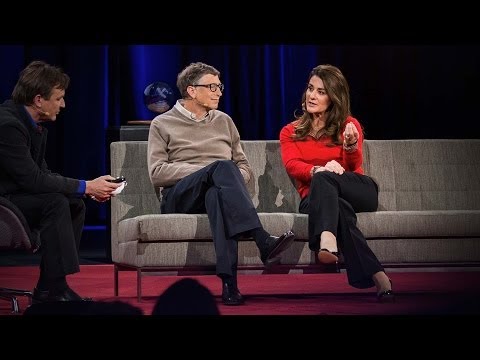
【TED】Bill and Melinda Gates: Why giving away our wealth has been the most satisfying thing we've done (Why giving away our wealth has been the most satisfying thing we've done... | Bill and Melinda Gates)
0
VoiceTube posted on 2014/05/14Ever wondered how Bill and Melinda Gates decided to give away their fortune? Dive into their inspiring journey, from a pivotal trip to Africa to tackling global health and education challenges. You'll hear firsthand about their motivations and pick up phrases related to philanthropy and global development.
Learn this video on the APP!
The VoiceTube App has more in-depth practice for videos!