
all along
US /ɔl əˈlɔŋ/
UK /ɔ:l əˈlɔŋ/
- Adverb
- From the beginning; all the time.
- Phrase
- In a line parallel to something long.
A2Moreat least
US /æt list/
UK /æt li:st/
- Adverb
- As a minimum
- Not less than
- Phrase
- No less than; at the minimum
- Used to indicate that something is positive in a bad situation.
C2Moreat the same time
US
UK
- Phrase
- Simultaneously; at the identical moment.
- Nevertheless; however; used to introduce a contrasting or qualifying statement.
A1Moreback into
US /bæk ˈɪntu/
UK /bæk ˈɪntuː/
- Phrasal Verb
- To drive a vehicle backwards into a space or area.
- To accidentally collide with something while moving backwards.
A1Morebacteria
US /bækˈtɪriə/
UK /bæk'tɪərɪə/
- Noun (plural)
- The very small creatures that can cause disease
B2Moreblood
US /blʌd/
UK /blʌd/
- Uncountable Noun
- Red liquid in the bodies of people and animals
- Related by birth; family
- Transitive Verb
- To be initiated into something, e.g. a secret club
A2Morebody
US /ˈbɑdi/
UK /ˈbɒdi/
- Noun
- The physical structure of a person or animal.
- Noun (Countable/Uncountable)
- The main or central part of something.
- The weight and texture of a drink (like wine or coffee) in the mouth.
A2Morecollect
US /kəˈlɛkt/
UK /kəˈlekt/
- Adverb
- By asking the receiver of a call to pay for it
- Transitive Verb
- To ask for money, e.g. for a charity
- To gather things, people together in one place
A2Moreconsist of
US /kənˈsɪst ʌv/
UK /kənˈsist ɔv/
- Phrasal Verb
A2Moredraw out
US /drɔ aʊt/
UK /drɔ: aut/
- Phrasal Verb
- To lengthen (far beyond the normal limits)
- To get someone to tell you their real feelings
A1Morefeel for
US /fil fɔr/
UK /fi:l fɔ:/
- Phrasal Verb
- To have sympathy for someone; to empathize with someone's situation.
- To try to find something by touching it.
A1Morefilter
US /ˈfɪltɚ/
UK /'fɪltə(r)/
- Noun (Countable/Uncountable)
- Device to remove certain types of light, sound
- Device to remove unwanted things from liquid, gas
- Transitive Verb
- To remove certain types of light, sound
- To remove unwanted substances from a liquid or gas
B1Morefluid
US /ˈfluɪd/
UK /'flu:ɪd/
- Noun (Countable/Uncountable)
- A material that can easily flow, e.g. water
- Liquid that flows smoothly, such as water
- Adjective
- Able to move smoothly or gracefully
- Liable to change; unstable.
B2Morefor the most part
US
UK
- Phrase
- Generally; mostly; on the whole.
- Mostly; generally; in most cases.
A1Moregobble up
US /ˈɡɑbəl ʌp/
UK /ˈgɔbəl ʌp/
- Phrasal Verb
- To eat something quickly and greedily.
- To acquire or take over something quickly and completely.
A1Morein reality
US /ɪn riˈælɪti/
UK /in riˈæliti/
- Phrase
- Actually; in fact; truly.
B2Morein sum
US
UK
- Phrase
- To summarize; in conclusion.
A1Moreinfection
US /ɪnˈfɛkʃən/
UK /ɪnˈfekʃn/
- Noun
- (Computers) Having a computer virus
- Making or becoming sick with a bacteria/virus
A2Morelook at
US /lʊk æt/
UK /luk æt/
- Phrasal Verb
- To use your eyes to focus on something
- To focus your eyes on something carefully
A1Moreout there
US /aʊt ðɛr/
UK /aut ðɛə/
- Adverb
- In or to a place that is far away
- Existing in the universe
- Adjective
- Unconventional; strange; avant-garde
- Existing or available.
A1Moreoutside of
US /aʊtˈsaɪd ʌv/
UK /ˌautˈsaid ɔv/
- Preposition
- Located or situated beyond the boundaries or confines of something.
- Beyond the scope, range, or limits of something.
A1Morepass through
US /pæs θru/
UK /pɑ:s θru:/
- Phrasal Verb
- To experience something, often unpleasant or difficult.
- To go through something; to move from one side to the other of something.
A2Moreprimary purpose
US
UK
- Noun
- The main or most important aim or reason for something.
B1Moreput back
US /pʊt bæk/
UK /put bæk/
- Phrasal Verb
- To return something to the proper place
A1Morereact
US /riˈækt/
UK /rɪ'ækt/
- Intransitive Verb
- To change when mixing with other chemicals
- To behave or make a change in a particular way
A2Morerise up
US /raɪz ʌp/
UK /raiz ʌp/
- Phrasal Verb
- To attempt to defeat government or ruler
A1Moresame time
US
UK
- Phrase
- Occurring simultaneously or at the same point in time.
- At the identical time as before; recurring at a fixed hour.
- Noun
- An equal duration or period.
A1Moresit out
US /sit aʊt/
UK /sit aut/
- Phrasal Verb
- To refrain from participating in something.
- To wait until something ends.
A1Moresqueeze
US /skwiz/
UK /skwi:z/
- Noun (Countable/Uncountable)
- Amount of liquid from firmly pressing e.g. orange
- Act of putting pressure on, as to get liquid out
- Transitive Verb
- To force or threaten someone to give you something
- To strongly compress something to get liquid out
C1Moresqueezed out
US
UK
- Phrasal Verb
- To remove an object by pressing something firmly
C1Morestart out
US /stɑrt aʊt/
UK /stɑ:t aut/
- Phrasal Verb
- To begin your life or career in a particular way.
- To begin a journey.
A1Morestay in
US /ste ɪn/
UK /stei in/
- Phrasal Verb
- To remain inside one's home.
- Intransitive Verb
- To remain as an inpatient in a hospital.
think about
US /θɪŋk əˈbaʊt/
UK /θiŋk əˈbaut/
- Phrasal Verb
- To consider something carefully.
- To remember or call to mind.
A1Moreto do with
US
UK
- Phrasal Verb
- To be about something; concern
A1Morevessel
US /ˈvɛsəl/
UK /ˈvesl/
- Countable Noun
- Container, such as a cup, for holding liquids
- A ship or boat; something that carries things
B1TOEICMore
Vocabulary
- back into: To drive a vehicle backwards into a space or area.
- squeezed out: To remove an object by pressing something firmly
- at the same time: Simultaneously; at the identical moment.
- same time: Occurring simultaneously or at the same point in time.
- think about: To consider something carefully.
- stay in: To remain inside one's home.
- out there: In or to a place that is far away
- gobble up: To eat something quickly and greedily.
- all along: From the beginning; all the time.
- pass through: To experience something, often unpleasant or difficult.
- start out: To begin your life or career in a particular way.
- outside of: Located or situated beyond the boundaries or confines of something.
- consist of
- for the most part: Generally; mostly; on the whole.
- sit out: To refrain from participating in something.
- draw out: To lengthen (far beyond the normal limits)
- to do with: To be about something; concern
- primary purpose: The main or most important aim or reason for something.
- put back: To return something to the proper place
- in sum: To summarize; in conclusion.
- in reality: Actually; in fact; truly.
- look at: To use your eyes to focus on something
- rise up: To attempt to defeat government or ruler
- feel for: To have sympathy for someone; to empathize with someone's situation.
- at least: As a minimum
- feel: To be aware of or experience an emotion, sensation
- filter: Device to remove certain types of light, sound
- system: Set of organized, planned ideas that work together
- squeeze: Amount of liquid from firmly pressing e.g. orange
- fluid: A material that can easily flow, e.g. water
- vessel: Container, such as a cup, for holding liquids
- bacteria: The very small creatures that can cause disease
- stay: To keep trying without giving up
- blood: Red liquid in the bodies of people and animals
- react: To change when mixing with other chemicals
- infection: (Computers) Having a computer virus
- body: The physical structure of a person or animal.
- talk: Style of speaking
- cut: Act/instance of reducing the size or amount of
- collect: By asking the receiver of a call to pay for it
Get the full experience in the app
Learn anywhere with detailed sentence and usage analysis
01:03
She took a brave step forward, leaving behind her comfort zone to chase her dreams.
Vocabulary
- brave
adj. Having courage
- comfort zone
phr. A familiar situation where one feels safe
Explanation
a brave step is a noun phrase, where brave is an adjective modifying the noun step, meaning "a courageous step".
forward is an adverb modifying step, meaning "ahead".
The whole phrase serves as the object, answering the "what" of took (verb) — she took a brave step forward.
Get the full experience in the app
Look up words anytime with pronunciation, part of speech, and usage
brave
US/brev/
UK/breɪv/
adj.Brave
v.t.To bravely face
A2 Elementary
Get the full experience in the app
Practice speaking anytime and get instant pronunciation feedback
Try this speaking exercise.
Try practicing with this sentence.
80
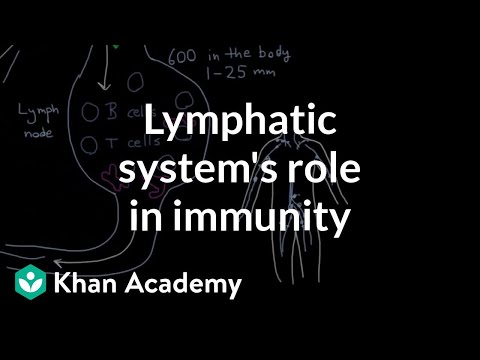
What is the lymphatic system's role in immunity
0
keep seeing posted on 2014/04/28Ever wondered how your body fights off nasty germs? This video dives into the amazing lymphatic system and its crucial role in immunity, explaining how lymph nodes and macrophages work together to keep you healthy! You'll pick up some fantastic advanced vocabulary related to anatomy and immunology, making it a super useful watch for anyone interested in how our bodies defend themselves.
Learn this video on the APP!
The VoiceTube App has more in-depth practice for videos!