
access
US /ˈæksɛs/
UK /'ækses/
- Noun (Countable/Uncountable)
- Way to enter a place, e.g. a station or stadium
- The opportunity or right to use something or to see someone.
- Transitive Verb
- To be able to use or have permission to use
A2TOEICMoreannually
US /ˈænjʊəlɪ/
UK /ˈænjuəli/
- Adverb
- Every year; once a year
B1Morearound town
US
UK
- Phrase
- In the local area or vicinity.
- In various places throughout the town.
- Adjective
- Socially active and well-known in the town.
A1Moreat a time
US /æt e taɪm/
UK /æt ə taim/
- Phrase
- Separately; one by one
- Simultaneously; together
A1Moreat home
US /æt hom/
UK /æt həum/
- Phrase
- In one's own residence or country.
- Adjective
- Feeling comfortable and relaxed.
at least
US /æt list/
UK /æt li:st/
- Adverb
- As a minimum
- Not less than
- Phrase
- No less than; at the minimum
- Used to indicate that something is positive in a bad situation.
C2Moreavoid
US /əˈvɔɪd/
UK /ə'vɔɪd/
- Transitive Verb
- To prevent from happening
- To stay away from
A2TOEICMorebad idea
US
UK
- Phrase
- An unwise or imprudent course of action.
A2Morebargain
US /ˈbɑrɡɪn/
UK /'bɑ:ɡən/
- Countable Noun
- Something bought for a lower price than expected
- An agreement between people or groups about what each will do for the other.
- Verb (Transitive/Intransitive)
- To discuss terms for a business deal; negotiate
- To expect or anticipate something.
A2TOEICMorebudget
US /ˈbʌdʒɪt/
UK /'bʌdʒɪt/
- Noun (Countable/Uncountable)
- Amount of money planned to be spent
- Verb (Transitive/Intransitive)
- To make a plan for how to spend your money
A2TOEICMorebulk
US /bʌlk/
UK /bʌlk/
- Uncountable Noun
- Most of something; majority of
- Big size; largeness; heaviness
B1TOEICMorecaptive
US /ˈkæptɪv/
UK /ˈkæptɪv/
- Noun
- Person caught and held against their will
- Adjective
- Unable to leave and forced to stay and listen
B1Morecare of
US /kɛr ʌv/
UK /kɛə ɔv/
- Preposition
- Used in an address to indicate the person who will receive the mail for someone else.
A2Morecharge
US /tʃɑrdʒ/
UK /tʃɑ:dʒ/
- Verb (Transitive/Intransitive)
- To run quickly toward someone to attack them
- To ask for money as a price for a service or goods
- Noun (Countable/Uncountable)
- An attack by running quickly toward someone
- A price for a service or goods
A2Moreconstantly
US /ˈkɑnstəntlɪ/
UK /ˈkɒnstəntli/
- Adverb
- Frequently, or without pause
- In a way that is unchanging or faithful
B1Moredebit
US /ˈdɛbɪt/
UK /ˈdebɪt/
- Noun (Countable/Uncountable)
- Amount of money taken out of an account
- An accounting entry that increases asset or expense accounts, and decreases liability, owner's equity, or revenue accounts.
- Transitive Verb
- To record a debit entry in an account.
C1Moredebt
US /dɛt/
UK /det/
- Noun (Countable/Uncountable)
- Sum of money owed to someone that is not yet paid
- A moral or social obligation.
A2TOEICMoredeliberately
US /dɪˈlɪbərɪtlɪ/
UK /dɪˈlɪbərətli/
- Adverb
- In a careful, considered manner; on purpose
- Purposely; on purpose
B2TOEICMoredown the road
US
UK
- Phrase
- At a future time; in the future.
- Along the street; a short distance away.
A1Moreexpense
US /ɪkˈspɛns/
UK /ɪk'spens/
- Noun (Countable/Uncountable)
- Money you have to pay to do part of your job
- Paying money for something (big)
- Uncountable Noun
- When resources e.g. time is used to do something
- Expenditure of resources; spending
B1TOEICMoreextra
US /'ekstrə/
UK /'ekstrə/
- Adjective
- More than necessary; additional
- Of especially good quality or grade.
- Noun (Countable/Uncountable)
- Items more than you need; additional items
- Person who has a small part in a movie
A2Morefatigue
US /fəˈtiɡ/
UK /fəˈti:g/
- Uncountable Noun
- Breaking due to being moved or bent many times
- Being very tired
- Transitive Verb
- To cause someone or something to become very tired
B2Morefavorable
US /ˈfevərəbəl, ˈfevrə-/
UK /'feɪvərəbl/
- Adjective
- When a good result or positive outcome is likely
B2TOEICMorefinancial
US /faɪˈnænʃ(ə)l/
UK /faɪˈnænʃl/
- Adjective
- Involving money
- Relating to investments.
- Countable Noun
- A person who provides advice on financial matters.
A2TOEICMorefor free
US /fɔr fri/
UK /fɔ: fri:/
- Phrase
- Without charge; at no cost.
- Adjective
- Available without payment.
A2Morefor instance
US /fɔr ˈɪnstəns/
UK /fɔ: ˈinstəns/
- Adverb
- As an example.
- Phrase
- As an example.
- As an illustration or case in point
B1Morefor rent
US /fɚ rent/
UK /fə rent/
- other
- Available to be rented or leased.
A2Morefor someone
US /fɚ ˈsʌmwʌn/
UK /fə ˈsʌmwʌn/
- other
- On behalf of or intended for a particular person.
A1Morego below
US /ɡoʊ bɪˈloʊ/
UK /ɡəʊ bɪˈləu/
- other
- To move down to a lower deck or level, especially on a ship.
B1Morehave to
US /hæv tu/
UK /ˈhæv tə/
- Auxiliary Verb
- Must do
A1Morehit with
US
UK
- Phrasal Verb
- To strike someone or something using an object.
- To suddenly realize or understand something.
A1Morehomelessness
US /'hoʊmləsnəs/
UK /'həʊmləsnəs/
- Uncountable Noun
- Having no home; living on the streets
B1Morein comparison
US /ɪn kəmˈpærɪsən/
UK /in kəmˈpærisən/
- Adverb
- When compared to something else.
- Phrase
- When compared to something else.
- When considering the differences between two or more things.
A1Morein the long run
US
UK
- Phrase
- Eventually; over a long period of time.
A1Moreinfinitely
US /ˈɪnfənɪtlɪ/
UK /ˈɪnfɪnətli/
- Adverb
- Continuing forever without end; very great
B2Moreinflation
US /ɪnˈfleʃən/
UK /ɪn'fleɪʃn/
- Noun (Countable/Uncountable)
- Act of filling something with air or gas
- Continual rise in the prices of products
B1TOEICMorelack
US /læk/
UK /læk/
- Verb (Transitive/Intransitive)
- To not have, or not have enough, of something
- Uncountable Noun
- The state of not having or not having enough of
A2TOEICMorelap
US /læp/
UK /læp/
- Intransitive Verb
- (Of water) to move in a gentle repeated motion
- Noun
- A gentle repeated motion against something
- Area between the waist and knees when seated
B1Morelead to
US /lid tu/
UK /li:d tu:/
- Phrasal Verb
- To result in some action
- Verb (Transitive/Intransitive)
- To have something as a consequence or result.
A1Moremobility
US /moˈbɪliti/
UK /məʊˈbɪləti/
- Uncountable Noun
- Ability to move
- The ability to move between different levels of society or employment.
C1Moremotel
US /moˈtɛl/
UK /məʊ'tel/
- Countable Noun
- Drive-in hotel which provides lodging and parking
B2Moremove around
US /muv əˈraʊnd/
UK /mu:v əˈraund/
- Phrasal Verb
- To change position or location; to go from place to place.
- Intransitive Verb
- To spread or circulate (e.g., information, rumors).
not available
US /nɑt əˈveləbəl/
UK /nɔt əˈveiləbl/
- Adjective
- Not able to be used or obtained; inaccessible.
- Not present or accessible; unable to be contacted.
A1Morenotorious
US /noʊ'tɔ:rɪrs/
UK /nəʊ'tɔ:rɪəs/
- Adjective
- Being famous or publicly known for something bad
B2Moreon hand
US /ɑn hænd/
UK /ɔn hænd/
- Adverb
- Present and available; in attendance.
- Phrase
- Available; readily accessible.
A1Moreoption
US /ˈɑpʃən/
UK /'ɒpʃn/
- Noun (Countable/Uncountable)
- A choice
- A right to buy or sell something at a particular price within a particular period.
A2TOEICMoreother than
US
UK
- Preposition
- Except for; apart from.
- Conjunction
- Different from.
A1Morepit
US /pɪt/
UK /pɪt/
- Transitive Verb
- To use your strength, skill or wit to beat another
- To make holes or marks on a surface
- Noun
- Hole in the ground
- Garage area for racing cars on a circuit
B1Morepoverty
US /ˈpɑvəti/
UK /ˈpɔvəti/
- Uncountable Noun
- State of being poor
- Lack of something necessary
B1Morepredatory
US /ˈprɛdəˌtɔri, -ˌtori/
UK /'predətrɪ/
- Adjective
- Preying on the weak to gain an advantage
- Relating to or characteristic of a predator; preying on other animals.
B1Morepsyche
US /ˈsaɪki/
UK /ˈsaɪki/
- Noun
- Soul, mind, or feelings of a person or group
C2Morepurchase
US
UK
- Transitive Verb
- To buy something; to get by paying money for it
- Noun (Countable/Uncountable)
- Something that you bought
- Strong hold on something; grip
A2TOEICMorerack
US /ræk/
UK /ræk/
- Noun
- A frame, stand, hook on which things are hung
- Transitive Verb
- To cause someone pain or suffering
B1Morerack up
US /ræk ʌp/
UK /ræk ʌp/
- Phrasal Verb
- To accumulate or amass something, typically debts or points.
relentless
US /rɪˈlɛntlɪs/
UK /rɪ'lentləs/
- Adjective
- Continuing without slowing or losing strength
- Persistent and determined; refusing to give up or be deterred.
C1Morerely on
US /rɪˈlaɪ ɑn/
UK /riˈlai ɔn/
- Phrasal Verb
- To depend on someone or something
A2Morerequire
US /rɪˈkwaɪr/
UK /rɪ'kwaɪə(r)/
- Transitive Verb
- To demand that someone does something
- To need to do something, to make it necessary
A2TOEICMorescarcity
US /ˈskersəti/
UK /ˈskeəsəti/
- Uncountable Noun
- Very small or limited amount of something
B2Morescrape
US /skrep/
UK /skreɪp/
- Verb (Transitive/Intransitive)
- To take something off a surface with a sharp tool
- To move roughly across the surface of something
- Noun
- Bad or unpleasant incident
- Sound of something moving roughly across a surface
B1Moreset aside
US
UK
- Phrasal Verb
- To reject or throw away, e.g. an idea
- To separate and save for another use or time
- Transitive Verb
- To keep or save something for use at a later time.
- To designate or allocate something for a specific purpose or group.
A1Moresettle for
US /ˈsɛtl fɔr/
UK /ˈsetl fɔ:/
- Phrasal Verb
- To accept something although not satisfied with it
A2Morespend money
US /spɛnd ˈmʌni/
UK /spend ˈmʌni/
- Phrase
- To use money to buy or pay for something.
A1Morespiral
US /ˈspaɪrəl/
UK /'spaɪrəl/
- Noun
- A continuous curve round a central point
- Intransitive Verb
- To move in a continuous curve round a point
B2Moresuppose
US /səˈpoʊz/
UK /sə'pəʊz/
- Verb (Transitive/Intransitive)
- To imagine or guess what might happen
- Conjunction
- What if
A2TOEICMoretake out
US /tek aʊt/
UK /teik aut/
- Phrasal Verb
- To apply for and get a license
- To take someone on a date
- Uncountable Noun
- Food purchased at a restaurant to eat elsewhere.
A1Moretendency
US /ˈtɛndənsi/
UK /'tendənsɪ/
- Noun
- Likelihood to behave in a particular way
A2Morethink about
US /θɪŋk əˈbaʊt/
UK /θiŋk əˈbaut/
- Phrasal Verb
- To consider something carefully.
- To remember or call to mind.
A1Morethreshold
US /ˈθrɛʃˌold, -ˌhold/
UK /'θreʃhəʊld/
- Noun
- Degree or level at which something begins
- A strip of wood, metal, or stone forming the bottom of a doorway and crossed in entering a house or room.
B2Moretime is money
US /ˈtaɪm ɪz ˈmʌni/
UK /ˈtaim iz ˈmʌni/
- other
- Time should be used productively as it is valuable like money.
B2Moreto the point
US /tu ði pɔɪnt/
UK /tu: ðə pɔint/
- Adjective
- Expressing something directly and without unnecessary detail.
- Phrase
- Relevant and pertinent to the matter at hand.
A2Moreupwards of
US
UK
- Preposition
- More than; at least.
- Phrase
- Approximately; around.
A1Morewiggle
US /ˈwɪɡəl/
UK /'wɪɡl/
- Intransitive Verb
- To move from side to side with short fast movement
C1Morewithdraw
US /wɪðˈdrɔ, wɪθ-/
UK /wɪð'drɔ:/
- Verb (Transitive/Intransitive)
- To take money out of a bank account
- To pull back; move away or backward from something
B1TOEICMoreworth
US /wɚθ/
UK /wɜ:θ/
- Noun (Countable/Uncountable)
- the financial, practical or moral value of somebody/something
- having a particular value, especially in money
- Adjective
- Having a specified value.
A2More
Vocabulary
- have to: Must do
- go below: To move down to a lower deck or level, especially on a ship.
- rack up: To accumulate or amass something, typically debts or points.
- for someone: On behalf of or intended for a particular person.
- at a time: Separately; one by one
- take out: To apply for and get a license
- for free: Without charge; at no cost.
- hit with: To strike someone or something using an object.
- upwards of: More than; at least.
- spend money: To use money to buy or pay for something.
- not available: Not able to be used or obtained; inaccessible.
- on hand: Present and available; in attendance.
- around town: In the local area or vicinity.
- in comparison: When compared to something else.
- rely on: To depend on someone or something
- at home: In one's own residence or country.
- in the long run: Eventually; over a long period of time.
- other than: Except for; apart from.
- time is money: Time should be used productively as it is valuable like money.
- care of: Used in an address to indicate the person who will receive the mail for someone else.
- lead to: To result in some action
- down the road: At a future time; in the future.
- settle for: To accept something although not satisfied with it
- bad idea: An unwise or imprudent course of action.
- to the point: Expressing something directly and without unnecessary detail.
- for rent: Available to be rented or leased.
- set aside: To reject or throw away, e.g. an idea
- for instance: As an example.
- at least: As a minimum
- move around: To change position or location; to go from place to place.
- think about: To consider something carefully.
- constantly: Frequently, or without pause
- fatigue: Breaking due to being moved or bent many times
- access: Way to enter a place, e.g. a station or stadium
- situation: Place, position or area that something is in
- deliberately: In a careful, considered manner; on purpose
- poverty: State of being poor
- suppose: To imagine or guess what might happen
- relentless: Continuing without slowing or losing strength
- threshold: Degree or level at which something begins
- tendency: Likelihood to behave in a particular way
- lack: To not have, or not have enough, of something
- financial: Involving money
- debt: Sum of money owed to someone that is not yet paid
- worth: the financial, practical or moral value of somebody/something
- avoid: To prevent from happening
- deal: To cope with something - usually troubles
- bulk: Most of something; majority of
- inflation: Act of filling something with air or gas
- bargain: Something bought for a lower price than expected
- require: To demand that someone does something
- notorious: Being famous or publicly known for something bad
- purchase: To buy something; to get by paying money for it
- charge: To run quickly toward someone to attack them
- decision: Choice made after thinking; final judgment
- extra: More than necessary; additional
- account: An advantage
- budget: Amount of money planned to be spent
- option: A choice
- interest: Best or most advantageous thing for someone
- break: To create a new record e.g. running the 100m dash
- withdraw: To take money out of a bank account
- spiral: A continuous curve round a central point
- scarcity: Very small or limited amount of something
- hit: To have a negative impact on a person/place/thing
- public: Owned by the government
- paycheck: Check issued in payment of wages or salary
- expense: Money you have to pay to do part of your job
- lap: (Of water) to move in a gentle repeated motion
- basic: At the most important or easiest (beginner) level
- infinitely: Continuing forever without end; very great
- worse: Comparative of 'bad'; more bad
- rack: A frame, stand, hook on which things are hung
- scrape: To take something off a surface with a sharp tool
- person: Man, woman or child
- pit: To use your strength, skill or wit to beat another
- income: Earned money from work, investments or business
- mobility: Ability to move
- wiggle: To move from side to side with short fast movement
- captive: Person caught and held against their will
- time: Speed at which music is played; tempo
- expensive: Costing a lot of money
- predatory: Preying on the weak to gain an advantage
- psyche: Soul, mind, or feelings of a person or group
- debit: Amount of money taken out of an account
- favorable: When a good result or positive outcome is likely
- annually: Every year; once a year
- homelessness: Having no home; living on the streets
- motel: Drive-in hotel which provides lodging and parking
Get the full experience in the app
Learn anywhere with detailed sentence and usage analysis
01:03
She took a brave step forward, leaving behind her comfort zone to chase her dreams.
Vocabulary
- brave
adj. Having courage
- comfort zone
phr. A familiar situation where one feels safe
Explanation
a brave step is a noun phrase, where brave is an adjective modifying the noun step, meaning "a courageous step".
forward is an adverb modifying step, meaning "ahead".
The whole phrase serves as the object, answering the "what" of took (verb) — she took a brave step forward.
Get the full experience in the app
Look up words anytime with pronunciation, part of speech, and usage
brave
US/brev/
UK/breɪv/
adj.Brave
v.t.To bravely face
A2 Elementary
Get the full experience in the app
Practice speaking anytime and get instant pronunciation feedback
Try this speaking exercise.
Try practicing with this sentence.
80
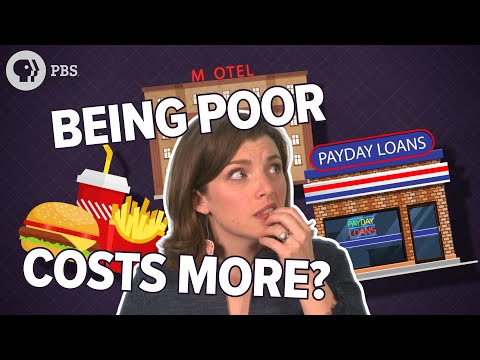
Why It's More Expensive To Be Poor
0
Capalu posted on 2023/11/26Ever wondered why it's so tough to get ahead when you're struggling financially? This video dives into the surprising hidden costs of poverty, from bank fees to food deserts, and you'll pick up some fantastic advanced vocabulary along the way!
Learn this video on the APP!
The VoiceTube App has more in-depth practice for videos!