
advantage
US /ædˈvæntɪdʒ/
UK /əd'vɑ:ntɪdʒ/
- Noun (Countable/Uncountable)
- Thing making the chance of success higher
- A positive point about something
- Transitive Verb
- To make use of something, especially to further one's own position; exploit.
A2TOEICMoreas opposed to
US
UK
- Preposition
- In contrast to; rather than.
- Instead of; in place of.
A1Moreat least
US /æt list/
UK /æt li:st/
- Adverb
- As a minimum
- Not less than
- Phrase
- No less than; at the minimum
- Used to indicate that something is positive in a bad situation.
C2Moreat that time
US /æt ðæt taɪm/
UK /æt ðæt taim/
- Phrase
- During a specific point in the past.
A1Moreattractive
US /əˈtræktɪv/
UK /əˈtræktɪv/
- Adjective
- Making you like them, as by being good-looking
- Offering advantages or benefits; tempting.
A2Moreauthentic
US /ɔˈθɛntɪk/
UK /ɔ:ˈθentɪk/
- Adjective
- From a reliable source; accurate; true
B1Moreauthentically
US /ɔ:'θentɪklɪ/
UK /ɔ:'θentɪklɪ/
- Adverb
- In a manner showing it is real and not a copy
B1Morebased on
US
UK
- Phrasal Verb
- To use something as the foundation or starting point for something else.
- Preposition
- Using something as the main idea or foundation.
- Relying on something as evidence or justification.
A1Morebully
US /ˈbʊli/
UK /'bʊlɪ/
- Noun (Countable/Uncountable)
- a person who habitually seeks to harm or intimidate those whom they perceive as vulnerable
- A person who uses superior strength or influence to intimidate others.
- Verb (Transitive/Intransitive)
- seek to harm, intimidate, or coerce (someone perceived as vulnerable)
B2Morecautious
US /ˈkɔʃəs/
UK /ˈkɔ:ʃəs/
- Adjective
- Careful about avoiding danger, problems
B2Morecharacter
US /ˈkærəktɚ/
UK /'kærəktə(r)/
- Noun
- Person in a story, movie or play
- Writing symbols, e.g. alphabet or Chinese writing
A2Morechildhood
US /ˈtʃaɪldˌhʊd/
UK /ˈtʃaɪldhʊd/
- Uncountable Noun
- The time when you are a child
B1Moreconsciously
US /ˈkɑnʃəslɪ/
UK /'kɒnʃəslɪ/
- Adverb
- In a manner that is aware, and on purpose
- With full awareness of what one is doing.
B1Moredisappoint
US /ˌdɪsəˈpɔɪnt/
UK /ˌdɪsə'pɔɪnt/
- Transitive Verb
- To not meet the expectations of others or yourself
B1Moreentire
US /ɛnˈtaɪr/
UK /ɪn'taɪə(r)/
- Adjective
- Complete or full; with no part left out; whole
- Undivided; not shared or distributed.
A2TOEICMoreexclusive
US /ɪkˈsklusɪv/
UK /ɪk'sklu:sɪv/
- Adjective
- Being available only to people with a lot of money
- Available to only a particular person, group
B1TOEICMoreextent
US /ɪkˈstɛnt/
UK /ɪkˈstent/
- Noun (Countable/Uncountable)
- Point, level or limit to which something reaches
- Range or space included in something
A2TOEICMoreexternal
US /ɪkˈstɚnəl/
UK /eksˈtə:nl/
- Adjective
- Concerning foreign countries
- Concerning the outside of something; outer
A2Morefake
US /fek/
UK /feɪk/
- Adjective
- Not real; made to look like something real
- Countable Noun
- A copy of something made to trick people
B1Morehang out
US /hæŋ aʊt/
UK /hæŋ aut/
- Phrasal Verb
- To spend time with your friends
- To spend times with friends or relax doing nothing
A2Morehorrible
US /ˈhɔrəbəl, ˈhɑr-/
UK /ˈhɒrəbl/
- Adjective
- Very bad; causing annoyance, distaste or fear
A2TOEICMoreidentity
US /aɪˈdɛntɪti/
UK /aɪ'dentətɪ/
- Noun (Countable/Uncountable)
- Collection of qualities that makes a person
- Who someone is; the name of a person
B1Morein fact
US /ɪn fækt/
UK /in fækt/
- Adverb
- Used to emphasize the truth of a statement, especially one that contrasts with or contradicts something else.
- Used to introduce a more detailed or surprising piece of information.
- Phrase
- Used to emphasize the truth of a statement, especially one that is surprising or contrary to what might be expected.
C1Moreinfluence
US / ˈɪnfluəns/
UK /'ɪnflʊəns/
- Verb (Transitive/Intransitive)
- To affect or change something indirectly
- To persuade someone to do something.
- Noun (Countable/Uncountable)
- The power to affect what happens, to persuade etc.
- A person or thing that affects someone or something in an important way.
A2TOEICMoreirony
US /ˈaɪrəni, ˈaɪə-/
UK /'aɪrənɪ/
- Noun (Countable/Uncountable)
- Quality of being funny because it is the opposite
- A situation that is strange or funny because things happen in a way that seems opposite to what you expected.
B2Morejealous
US /ˈdʒɛləs/
UK /ˈdʒeləs/
- Adjective
- Wishing you were like someone or had their things
A2Morelame
US /lem/
UK /leɪm/
- Adjective
- Having a damaged leg/foot making walking painful
- Unconvincing; weak; inadequate.
- Transitive Verb
- To cause to become incapable of walking
B2Moremanipulate
US /məˈnɪpjəˌlet/
UK /mə'nɪpjʊleɪt/
- Transitive Verb
- To try to control others to gain an advantage
- To handle or work in a skillful manner
B1Moreno matter
US
UK
- Conjunction
- Regardless of; it does not matter.
- Adverb
- Regardless of; it is not important
A1Moreof course
US /ʌv kɔː(r)s/
UK /ɔv kɔː(r)s/
- Adverb
- Sure ; Certainly
- Phrase
- For sure; certainly
A2Moreoverly
US /ˈoʊvərli/
UK /ˈəʊvəli/
- Adverb
- To a degree exceeding normal or proper limits
B2Morepersona
US /pərˈsoʊnə/
UK /pəˈsəʊnə/
- Noun
- Personality that you project in public
B2Moreplanet
US /ˈplænɪt/
UK /'plænɪt/
- Noun (Countable/Uncountable)
- One of the bodies that orbit the sun
- A different world or sphere of existence.
- Proper Noun
- The earth.
A2Morepretend
US /prɪˈtɛnd/
UK /prɪ'tend/
- Verb (Transitive/Intransitive)
- To act as if something is true when it is not
- Adjective
- Not real; imaginary.
A2TOEICMorerespect
US /rɪˈspɛkt/
UK /rɪ'spekt/
- Transitive Verb
- To follow the established rules
- To think very highly of another person
- Noun
- Behavior that follows the established rules
- Regard or admiration for someone or something
A2TOEICMoresociety
US /səˈsaɪɪti/
UK /sə'saɪətɪ/
- Noun (Countable/Uncountable)
- A group who meet to share values or interests
- Group of people living together
A2TOEICMorestare
US /stɛr/
UK /steə(r)/
- Verb (Transitive/Intransitive)
- To look at someone or something for a long time
- Noun
- A long look at something or someone for a reason
A2Morethink back
US /θɪŋk bæk/
UK /θiŋk bæk/
- Phrasal Verb
- To recapture the past
A1Morethink of
US /θɪŋk ʌv/
UK /θiŋk ɔv/
- Phrasal Verb
- To look on as (being something specific); consider
- To consider or remember something.
- Verb (Transitive/Intransitive)
- To imagine or call something to mind
A1Moreto some extent
US /tu sʌm ɪkˈstɛnt/
UK /tu: sʌm iksˈtent/
- Phrase
- Partially; not completely.
A1Moretrait
US /tret/
UK /treɪt/
- Noun (Countable/Uncountable)
- A particular characteristic that can produce a particular type of behavior
- A genetically determined characteristic or condition.
C2Moretrick
US /trɪk/
UK /trɪk/
- Transitive Verb
- To fool someone in order to obtain a result
- To playfully tease or fool to make someone laugh
- Noun (Countable/Uncountable)
- Act of trying to fool someone
- Quick or skillful way of doing something
A2Moreweird
US /wɪrd/
UK /wɪəd/
- Adjective
- Odd or unusual; surprising; strange
- Eerily strange or disturbing.
B1Morewithin reason
US /wɪðˈɪn ˈrizən/
UK /wiˈðin ˈri:zən/
- Phrase
- Within acceptable or sensible limits; not exceeding what is fair or appropriate.
B1More
Vocabulary
- think back: To recapture the past
- at least: As a minimum
- hang out: To spend time with your friends
- at that time: During a specific point in the past.
- to some extent: Partially; not completely.
- in fact: Used to emphasize the truth of a statement, especially one that contrasts with or contradicts something else.
- based on: To use something as the foundation or starting point for something else.
- of course: Sure ; Certainly
- no matter: Regardless of; it does not matter.
- within reason: Within acceptable or sensible limits; not exceeding what is fair or appropriate.
- as opposed to: In contrast to; rather than.
- think of: To look on as (being something specific); consider
- weird: Odd or unusual; surprising; strange
- authentic: From a reliable source; accurate; true
- entire: Complete or full; with no part left out; whole
- pretend: To act as if something is true when it is not
- trait: A particular characteristic that can produce a particular type of behavior
- matter: To be of great importance; to count
- trick: To fool someone in order to obtain a result
- character: Person in a story, movie or play
- advantage: Thing making the chance of success higher
- exclusive: Being available only to people with a lot of money
- manipulate: To try to control others to gain an advantage
- fear: Unpleasant feeling caused by being aware of danger
- express: To send something by fast mail
- extent: Point, level or limit to which something reaches
- influence: To affect or change something indirectly
- stare: To look at someone or something for a long time
- irony: Quality of being funny because it is the opposite
- society: A group who meet to share values or interests
- attractive: Making you like them, as by being good-looking
- behavior: The way a person or thing acts; manner
- jealous: Wishing you were like someone or had their things
- external: Concerning foreign countries
- complete: To finish or reach the end of doing something
- lame: Having a damaged leg/foot making walking painful
- identity: Collection of qualities that makes a person
- planet: One of the bodies that orbit the sun
- nervous: Concerning the system of nerves in the body
- horrible: Very bad; causing annoyance, distaste or fear
- reason: To think and make conclusions in a logical manner
- consciously: In a manner that is aware, and on purpose
- accept: To agree to receive or take something offered
- respect: To follow the established rules
- click: To work well with someone or something
- cautious: Careful about avoiding danger, problems
- social: Involving activity with people, e.g. in free time
- scary: Causing fear; frightening
- fake: Not real; made to look like something real
- secret: Kept hidden from others; Known only to a few people
- moment: Very short or brief period of time
- lot: What happens to a person in life from chance; fate
- bully: a person who habitually seeks to harm or intimidate those whom they perceive as vulnerable
- single: One run in cricket or a hit baseball
- persona: Personality that you project in public
- overly: To a degree exceeding normal or proper limits
- childhood: The time when you are a child
- authentically: In a manner showing it is real and not a copy
- disappoint: To not meet the expectations of others or yourself
Get the full experience in the app
Learn anywhere with detailed sentence and usage analysis
01:03
She took a brave step forward, leaving behind her comfort zone to chase her dreams.
Vocabulary
- brave
adj. Having courage
- comfort zone
phr. A familiar situation where one feels safe
Explanation
a brave step is a noun phrase, where brave is an adjective modifying the noun step, meaning "a courageous step".
forward is an adverb modifying step, meaning "ahead".
The whole phrase serves as the object, answering the "what" of took (verb) — she took a brave step forward.
Get the full experience in the app
Look up words anytime with pronunciation, part of speech, and usage
brave
US/brev/
UK/breɪv/
adj.Brave
v.t.To bravely face
A2 Elementary
Get the full experience in the app
Practice speaking anytime and get instant pronunciation feedback
Try this speaking exercise.
Try practicing with this sentence.
80
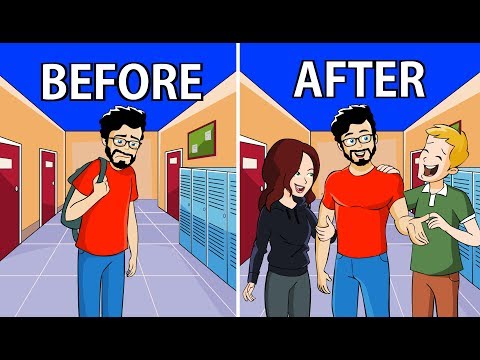
This Psychological Trick Will Make People Like You (Animated)
0
lauren.huang posted on 2020/07/28Ever wonder how to make people instantly like you? This animated video reveals a cool psychological trick to boost your confidence and help you stop walking on eggshells. You'll pick up practical tips for personal growth and authentic connections, perfect for young adults navigating social situations!
Learn this video on the APP!
The VoiceTube App has more in-depth practice for videos!