
against time
US /əˈɡenst taɪm/
UK /əˈɡenst taim/
- Phrase
- Working under pressure to meet a deadline; in a race to finish something quickly.
assumption
US /əˈsʌmpʃən/
UK /ə'sʌmpʃn/
- Noun (Countable/Uncountable)
- Something you believe to be so, but aren't sure of
A2Moreat least
US /æt list/
UK /æt li:st/
- Adverb
- As a minimum
- Not less than
- Phrase
- No less than; at the minimum
- Used to indicate that something is positive in a bad situation.
C2Morebreathe
US /brið/
UK /bri:ð/
- Verb (Transitive/Intransitive)
- To move air into and out of your lungs
- To say something very softly
A2Morebreathe in
US /brið ɪn/
UK /bri:ð in/
- Phrasal Verb
- To inhale; to take air into the lungs.
B1Morecheck out
US /tʃɛk aʊt/
UK /tʃek aut/
- Phrase
- Phrasal Verb
- To find out information about something
- To take books out of a library
A1Moreconfusion
US /kənˈfjuʒən/
UK /kən'fju:ʒən/
- Uncountable Noun
- Not knowing what to do; state of disorder
B1Moreconsume
US /kənˈsum/
UK /kən'sju:m/
- Transitive Verb
- To eat, drink, buy or use up something
- To take all your energy; focus the attention
A2TOEICMorecontagious
US /kənˈtedʒəs/
UK /kənˈteɪdʒəs/
- Adjective
- Able to be passed on by touch
- (of a disease) able to be transmitted by infection.
C2Moredestroy
US /dɪˈstrɔɪ/
UK /dɪ'strɔɪ/
- Transitive Verb
- To damage so badly that something no longer exists
- To defeat someone or something easily
A2TOEICMoredevice
US /dɪˈvaɪs/
UK /dɪˈvaɪs/
- Noun (Countable/Uncountable)
- Object, machine, or equipment for a specific use
- Method of doing something; a way
A2TOEICMoredioxide
US /daɪˈɑksaɪd/
UK /daɪˈɒksaɪd/
- Noun
- An oxide containing two oxides per molecule
B2Moreexhale
US /ɛksˈhel,ɛkˈhel/
UK /eksˈheɪl/
- Intransitive Verb
- To breathe out the air or smoke in your lungs
C1Moreexpel
US /ɪkˈspɛl/
UK /ɪk'spel/
- Transitive Verb
- To force a person to leave a place or organization
- To release or push something (e.g. air) out
B2TOEICMoreexpose
US /ɪkˈspoʊz/
UK /ɪk'spəʊz/
- Transitive Verb
- To make visible, without covering or protection
- To allow light through a cameras lens onto film
A2TOEICMorefaint
US /fent/
UK /feɪnt/
- Intransitive Verb
- To suddenly become unconscious and fall down
- Adjective
- Lacking strength; weak; lacking clarity
- Very small, as in a chance or hope
A2Morefatigue
US /fəˈtiɡ/
UK /fəˈti:g/
- Uncountable Noun
- Breaking due to being moved or bent many times
- Being very tired
- Transitive Verb
- To cause someone or something to become very tired
B2Morefever
US /ˈfivɚ/
UK /'fi:və(r)/
- Noun (Countable/Uncountable)
- A high body temperature, indicating illness
- State of excited emotion or activity
- Transitive Verb
- To cause to have a fever.
B1Moreflexible
US /ˈflɛksəbəl/
UK /ˈfleksəbl/
- Adjective
- Bending easily
- Able to adjust to new events, requirements easily
B1TOEICMorefluid
US /ˈfluɪd/
UK /'flu:ɪd/
- Noun (Countable/Uncountable)
- A material that can easily flow, e.g. water
- Liquid that flows smoothly, such as water
- Adjective
- Able to move smoothly or gracefully
- Liable to change; unstable.
B2Moregather
US /ˈɡæðɚ/
UK /ˈgæðə(r)/
- Transitive Verb
- To bring objects together into one place
- To collect foods such as wild berries or crops
- Noun
- Fold in cloth, as in a full skirt
A2TOEICMoregenetic
US /dʒəˈnɛtɪk/
UK /dʒəˈnetɪk/
- Adjective
- Of, relating to, or controlled by genes
- Relating to genes or heredity.
B1Moregenetic information
US /dʒəˈnɛtɪk ˌɪnfɚˈmeʃən/
UK /dʒiˈnetik ˌɪnfəˈmeiʃən/
- Uncountable Noun
- Hereditary information encoded in the genetic material (DNA or RNA) of an organism.
have to
US /hæv tu/
UK /ˈhæv tə/
- Auxiliary Verb
- Must do
A1Moreimmune
US /ɪˈmjoon/
UK /ɪˈmju:n/
- Adjective
- Having a special protection from, e.g. the law
- Protected against a particular disease or condition because of antibodies or vaccination.
B1Morein order to
US /ɪn ˈɔrdɚ tu/
UK /in ˈɔ:də tu:/
- Preposition
- For the purpose of; with the aim of.
- Phrase
- In a specific sequence or arrangement.
- With the aim of; for the purpose of.
C1Morein other words
US
UK
- Phrase
- Stating something in a different way, often to make it clearer or more understandable.
infection
US /ɪnˈfɛkʃən/
UK /ɪnˈfekʃn/
- Noun
- (Computers) Having a computer virus
- Making or becoming sick with a bacteria/virus
A2Moreinflammation
US /ˌɪnfləˈmeʃən/
UK /ˌɪnfləˈmeɪʃn/
- Noun (Countable/Uncountable)
- Painful swelling in the body due to illness
- A condition in which a part of the body becomes reddened, swollen, hot, and often painful, especially as a reaction to injury or infection.
B2Moreinfluenza
US /ˌɪnflʊ'enzə/
UK /ˌɪnfluˈenzə/
- Noun
- Full name for the 'flu'
B2Moreinternal
US /ɪnˈtɚnəl/
UK /inˈtə:nəl/
- Adjective
- Being or happening in the body
- Being, happening in a country, state, organization
B1TOEICMorelead to
US /lid tu/
UK /li:d tu:/
- Phrasal Verb
- To result in some action
- Verb (Transitive/Intransitive)
- To have something as a consequence or result.
A1Morelook into
US /lʊk ˈɪntu/
UK /luk ˈɪntuː/
- Phrasal Verb
- To investigate or try to discover the reasons for
A1Morematerial
US /məˈtɪriəl/
UK /məˈtɪəriəl/
- Noun (Countable/Uncountable)
- Cloth; fabric
- Supplies or data needed to do a certain thing
- Adjective
- Relevant; (of evidence) important or significant
- Belonging to the world of physical things
A2Moremembrane
US /ˈmɛmˌbren/
UK /'membreɪn/
- Noun (Countable/Uncountable)
- Outside covering of a cell
- A thin covering of tissue or of a cell
B2Moremerge with
US /mɚdʒ wɪð/
UK /mə:dʒ wið/
- Phrasal Verb
- To combine or blend together into a single entity.
C2Moremolecule
US /ˈmɑlɪˌkjul/
UK /ˈmɒlɪkju:l/
- Noun
- Two or more atoms chemically combined
B2Moremove into
US /muv ˈɪntu/
UK /mu:v ˈɪntuː/
- Phrasal Verb
- To start living in a new house or building
- To start being involved in a new area of business or activity.
multiply
US /ˈmʌltəˌplaɪ/
UK /ˈmʌltɪplaɪ/
- Verb (Transitive/Intransitive)
- To increase in number by reproducing/having babies
- To increase something by a large quantity
B1Morenucleus
US /ˈnu:kliəs/
UK /ˈnju:kliəs/
- Noun
- Center of an atom
- Control center of a cell
B2Moreoccur
US /əˈkɚ/
UK /əˈkɜ:(r)/
- Intransitive Verb
- To come to pass or to happen
- To be found to exist; to be present.
A2TOEICMoreof itself
US /ʌv ɪtˈself/
UK /əv ɪtˈself/
- other
- Happening automatically without external cause or help.
B1Moreon the other hand
US
UK
- Phrase
- Considering a different aspect of the matter; alternatively.
A1Moreoverwhelm
US /ˌoʊvərˈwelm/
UK /ˌəʊvəˈwelm/
- Transitive Verb
- To defeat something or someone completely
- To affect someone emotionally in a strong way
B1TOEICMoreoxygen
US /ˈɑksɪdʒən/
UK /'ɒksɪdʒən/
- Uncountable Noun
- A gas in the air that we need to breathe
- Oxygen administered as a medical treatment.
B1Morepneumonia
US /nu:ˈmoʊniə/
UK /nju:ˈməʊniə/
- Uncountable Noun
- Serious illness affecting the lungs and breathing
B2Moreprimarily
US /praɪˈmɛrəli, -ˈmɛr-/
UK /praɪˈmerəli/
- Adverb
- In the most basic or important way
A2TOEICMoreprime
US /praɪm/
UK /praɪm/
- Transitive Verb
- To get a person ready for; prepare someone
- To coat with paint to prepare it for the main coat
- Adjective
- Concerning the highest in quality or value
- Concerning the highest level of achievement
A2TOEICMoreprotein
US /ˈprəʊˌtiːn/
UK /ˈprəʊti:n/
- Noun (Countable/Uncountable)
- Group of molecules made from amino acids
B1Moreramp
US /ræmp/
UK /ræmp/
- Noun
- Path that increases in height as you walk up it
- Transitive Verb
- To slope or incline; (phrasal: ramp up) to increase the level or amount of something sharply; to furnish with a sloping surface.
B2Moreramp up
US /ræmp ʌp/
UK /ræmp ʌp/
- Phrasal Verb
- To increase the level or amount of something sharply.
receptor
US /rɪˈseptər /
UK /rɪˈseptə(r)/
- Noun
- A nerve ending that changes stimuli into impulses
B2Morereproduce
US /ˌriprəˈdus, -ˈdjus/
UK /ˌri:prə'dju:s/
- Verb (Transitive/Intransitive)
- To make a copy of something
- To have children/young; grow roots/new plants
B1Morerespiratory
US /ˈrɛspərəˌtɔri, -ˌtori, rɪˈspaɪrə-/
UK /ˈrespərəˌtɔ:ri:, -ˌtəʊri:, rɪˈspaɪərə-/
- Adjective
- (Medical) concerning breathing
- Having the function of respiration.
- Noun
- The branch of medicine concerned with the organs of respiration.
- The system of organs involved in breathing.
C1Morerespond
US /rɪˈspɑnd/
UK /rɪ'spɒnd/
- Verb (Transitive/Intransitive)
- To answer something or someone
- To have a good reaction to e.g. medical treatment
A2TOEICMoresack
US /sæk/
UK /sæk/
- Verb (Transitive/Intransitive)
- To put something in a large bag
- To dismiss a person from their job; fire
- Countable Noun
- Large strong bag made of fibers, plastic, etc.
B1Moreshell
US /ʃɛl/
UK /ʃel/
- Noun (Countable/Uncountable)
- Hard outer cover of an egg, fruit, nut, or seed
- Hard metal container containing a bullet
- Transitive Verb
- To remove the outer covering of peas, nuts etc.
- To fire shells (weapons) at
B1Morespike
US /spaɪk/
UK /spaɪk/
- Noun
- The top point in a graph
- Long, thin metal rod that ends in a point
- Intransitive Verb
- To go up to a point on a graph
B2Morestay home
US
UK
- Intransitive Verb
- To remain in one's house or residence.
A1Morestimulate
US /ˈstɪmjəˌlet/
UK /'stɪmjʊleɪt/
- Transitive Verb
- To arouse or excite emotionally
B1Moresuch as
US /sʌtʃ æz/
UK /sʌtʃ æz/
- Preposition
- For example; like
A1Moretypical
US /ˈtɪpɪkəl/
UK /ˈtɪpɪkl/
- Adjective
- Normal; usual; expected
- Serving as a representative example of a particular type.
A2Morevaccine
US /vækˈsin,ˈvækˌsin/
UK /'væksi:n/
- Noun (Countable/Uncountable)
- Shot using weak disease cells to stop same disease
- A preparation of weakened or killed microorganisms, or of antigenic proteins derived from them, used to induce protective immunity in animals.
B2Moreviral
US /ˈvaɪrəl/
UK /ˈvaɪrəl/
- Adjective
- Of or caused by a virus
- Becoming very popular by circulating quickly from person to person, especially through the Internet.
B2Morevirus
US /ˈvaɪrəs/
UK /'vaɪrəs/
- Noun
- File secretly put on computers to cause harm
- Living organism that causes disease or sickness
B1More
Vocabulary
- such as: For example; like
- in order to: For the purpose of; with the aim of.
- of itself: Happening automatically without external cause or help.
- move into: To start living in a new house or building
- on the other hand : Considering a different aspect of the matter; alternatively.
- genetic information: Hereditary information encoded in the genetic material (DNA or RNA) of an organism.
- merge with: To combine or blend together into a single entity.
- look into: To investigate or try to discover the reasons for
- have to: Must do
- breathe in: To inhale; to take air into the lungs.
- lead to: To result in some action
- ramp up: To increase the level or amount of something sharply.
- in other words: Stating something in a different way, often to make it clearer or more understandable.
- against time: Working under pressure to meet a deadline; in a race to finish something quickly.
- stay home: To remain in one's house or residence.
- at least: As a minimum
- check out
- fatigue: Breaking due to being moved or bent many times
- immune: Having a special protection from, e.g. the law
- material: Cloth; fabric
- evidence: Factual proof that helps to establish the truth
- contagious: Able to be passed on by touch
- develop: To explain something in steps and in detail
- consume: To eat, drink, buy or use up something
- respiratory: (Medical) concerning breathing
- inflammation: Painful swelling in the body due to illness
- overwhelm: To defeat something or someone completely
- viral: Of or caused by a virus
- molecule: Two or more atoms chemically combined
- protein: Group of molecules made from amino acids
- fluid: A material that can easily flow, e.g. water
- assumption: Something you believe to be so, but aren't sure of
- prime: To get a person ready for; prepare someone
- contract: To become ill as a result of getting a disease
- spike: The top point in a graph
- stimulate: To arouse or excite emotionally
- occur: To come to pass or to happen
- pneumonia: Serious illness affecting the lungs and breathing
- genetic: Of, relating to, or controlled by genes
- typical: Normal; usual; expected
- vaccine: Shot using weak disease cells to stop same disease
- primarily: In the most basic or important way
- flexible: Bending easily
- lead: Wire for electricity, computer, etc.; cable
- device: Object, machine, or equipment for a specific use
- oxygen: A gas in the air that we need to breathe
- mucus: Thick liquid substance made in certain parts of the human body, such as the nose
- respond: To answer something or someone
- infection: (Computers) Having a computer virus
- project: To predict what will happen in the future
- internal: Being or happening in the body
- expose: To make visible, without covering or protection
- exhale: To breathe out the air or smoke in your lungs
- coronavirus: Any of a group of RNA viruses that cause a variety of diseases in humans and other animals.
- ramp: Path that increases in height as you walk up it
- destroy: To damage so badly that something no longer exists
- dioxide: An oxide containing two oxides per molecule
- pain: Strong feeling of hurt or discomfort
- confusion: Not knowing what to do; state of disorder
- system: Set of organized, planned ideas that work together
- gather: To bring objects together into one place
- breathe: To move air into and out of your lungs
- faint: To suddenly become unconscious and fall down
- multiply: To increase in number by reproducing/having babies
- information: Collection of facts and details about something
- catch: Amount of something that has been caught
- membrane: Outside covering of a cell
- fever: A high body temperature, indicating illness
- sack: To put something in a large bag
- receptor: A nerve ending that changes stimuli into impulses
- protect: To defend someone or something from harm or danger
- virus: File secretly put on computers to cause harm
- shell: Hard outer cover of an egg, fruit, nut, or seed
- difficult: Hard; not easy; you need to work hard to do it
- reproduce: To make a copy of something
- expel: To force a person to leave a place or organization
- nucleus: Center of an atom
- healthy: In good condition physically, or financially; well
- influenza: Full name for the 'flu'
- back: Farthest from the front e.g. in a classroom
Get the full experience in the app
Learn anywhere with detailed sentence and usage analysis
01:03
She took a brave step forward, leaving behind her comfort zone to chase her dreams.
Vocabulary
- brave
adj. Having courage
- comfort zone
phr. A familiar situation where one feels safe
Explanation
a brave step is a noun phrase, where brave is an adjective modifying the noun step, meaning "a courageous step".
forward is an adverb modifying step, meaning "ahead".
The whole phrase serves as the object, answering the "what" of took (verb) — she took a brave step forward.
Get the full experience in the app
Look up words anytime with pronunciation, part of speech, and usage
brave
US/brev/
UK/breɪv/
adj.Brave
v.t.To bravely face
A2 Elementary
Get the full experience in the app
Practice speaking anytime and get instant pronunciation feedback
Try this speaking exercise.
Try practicing with this sentence.
80
COVID-19 Animation: What Happens If You Get Coronavirus?
0
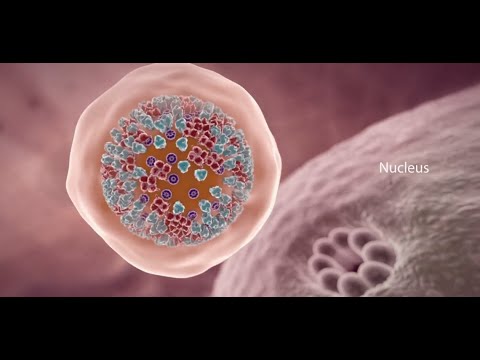
ally.chang posted on 2020/04/16Ever wondered what happens inside your body when you catch coronavirus? This amazing medical animation from Nucleus Medical Media breaks down the SARS-CoV-2 virus, how it causes pneumonia, and your immune response. You'll pick up tons of advanced vocabulary and practical knowledge that's super useful!
Learn this video on the APP!
The VoiceTube App has more in-depth practice for videos!