
await
US /əˈwet/
UK /əˈweɪt/
- Transitive Verb
- To keep ready for future needs
- To be ready to happen, or about to happen
B1Morebaby
US /ˈbeɪbi/
UK /ˈbeɪbi/
- Countable Noun
- A very young child, who cannot yet speak
- Transitive Verb
- To treat someone as if they were newly born
A2Morebear
US /bɛr/
UK /bɛː/
- Transitive Verb
- To accept (responsibilities or duties)
- To give birth to a child; to produce fruit
- Countable Noun
- Large brown animal with fur that lives in forests
- Someone who expects stock market to fall
A2Morebee
US /bi/
UK /bi:/
- Noun
- Gathering to perform activities and tasks together
- Black and yellow insect that makes honey
B1Morebody
US /ˈbɑdi/
UK /ˈbɒdi/
- Noun
- The physical structure of a person or animal.
- Noun (Countable/Uncountable)
- The main or central part of something.
- The weight and texture of a drink (like wine or coffee) in the mouth.
A2Morebounce
US /baʊns/
UK /baʊns/
- Uncountable Noun
- A person's energy or confidence
- Quality causing a person's hair to appear healthy
- Intransitive Verb
- To move around energetically, playfully
- (Of check) to be rejected due to inadequate funds
B1Morebreak down
US /brek daʊn/
UK /breik daun/
- Phrasal Verb
- To forcibly break, destroy or make collapse
- (Machine) to stop working or become weaker
A1Morecome into contact
US
UK
- Verb (Transitive/Intransitive)
- To physically touch something.
- To communicate or meet with someone.
A1Morecontact
US /ˈkɑnˌtækt/
UK /'kɒntækt/
- Adjective
- Touching or feeling something
- Noun (Countable/Uncountable)
- Touching or feeling something
- Object that allows electricity to run through it
A2Morecure
US /kjʊr/
UK /kjʊə(r)/
- Noun
- Something that solves a problem or makes it better
- Medical treatment making a sick person healthy
- Transitive Verb
- To fix or improve a problem
- To make someone healthy or make a disease go away
B1Moredestroy
US /dɪˈstrɔɪ/
UK /dɪ'strɔɪ/
- Transitive Verb
- To damage so badly that something no longer exists
- To defeat someone or something easily
A2TOEICMorediscover
US /dɪˈskʌvɚ/
UK /dɪˈskʌvə(r)/
- Transitive Verb
- To find something new that was not known before
- To learn or find out (something previously unknown or secret).
A2TOEICMorediscovery
US /dɪˈskʌvəri/
UK /dɪ'skʌvərɪ/
- Noun
- Learning something for the first time
A2MoreDouble
US /ˈdʌbəl/
UK /'dʌbl/
- Countable Noun
- Person that is exactly like someone else
- Adjective
- Concerning or intended for use by two people
- Two times the amount or degree; twice
A2Moreenvelope
US /ˈenvəloʊp/
UK /ˈenvələʊp/
- Countable Noun
- Paper cover you put around a letter to mail it
- A container for data in computing.
B1Moregel
US /dʒɛl/
UK /dʒel/
- Noun (Countable/Uncountable)
- Thick substance, similar to jelly
- Intransitive Verb
- To adhere or stick together like a gel
B2Moreharm
US /hɑrm/
UK /hɑ:m/
- Transitive Verb
- To damage, injure, or hurt someone or something
- Noun
- Damage or injury
A2Morein the first place
US
UK
- Phrase
- To begin with; as the first point or consideration.
- From the beginning; initially.
A1Morein the future
US /ɪn ði ˈfjutʃɚ/
UK /in ðə ˈfju:tʃə/
- Phrase
- At a later time; in times to come.
A1Moreinfection
US /ɪnˈfɛkʃən/
UK /ɪnˈfekʃn/
- Noun
- (Computers) Having a computer virus
- Making or becoming sick with a bacteria/virus
A2Moreinfuse
US /ɪnˈfjooz/
UK /ɪnˈfju:z/
- Transitive Verb
- To soak tea, etc. in hot water, oil etc.
- To cause to fill up with a feeling or quality
B2TOEICMoreinitial
US /ɪˈnɪʃəl/
UK /ɪ'nɪʃl/
- Noun
- First letter of your given name
- The beginning or commencement of something.
- Transitive Verb
- To authorize something by writing your initials
- To mark or sign with one's initials.
A2TOEICMoreintact
US /ɪn'tækt/
UK /ɪn'tækt/
- Adjective
- Being complete, without damaged or missing parts
B1Moreknock
US /nɑk/
UK /nɒk/
- Noun
- Bad experience that reduces a person's confidence
- Action of something solid hitting something hard
- Transitive Verb
- To criticize someone in an unreasonable way
- To hit something to get people's attention
A2Moreknock out
US /nɑk aʊt/
UK /nɔk aut/
- Phrasal Verb
- To hit and make unconscious
- To defeat someone so decisively that they cannot continue.
- Verb (Transitive/Intransitive)
- To defeat someone so decisively that they are unable to continue.
- To destroy or disable something, especially a piece of equipment.
A2Moremedical
US /ˈmɛdɪkəl/
UK /ˈmedɪkl/
- Adjective
- Of or relating to physical health or medicine
- Noun
- A health check or test
A2Moremixed
US /mɪkst/
UK /mɪkst/
- Transitive Verb
- To combine two or more things to make one
- Intransitive Verb
- To meet and get along with others, e.g. at a party
A2Moreparticle
US /ˈpɑrtɪkəl/
UK /ˈpɑ:tɪkl/
- Noun
- Adverb or preposition that joins with a verb
- Tiny piece or quantity of something
B1Morepregnancy
US /ˈprɛɡnənsi/
UK /ˈpregnənsi/
- Uncountable Noun
- When a woman carries her unborn baby inside her
- A specific instance or period of being pregnant.
B1Moreprevent
US /prɪˈvɛnt/
UK /prɪ'vent/
- Transitive Verb
- To stop something from happening or existing
A2TOEICMorepronounce
US /prəˈnaʊns/
UK /prə'naʊns/
- Transitive Verb
- To state something in a legal or official way
- To give your opinion or decision about something
B1Moreprotective
US /prəˈtɛktɪv/
UK /prəˈtektɪv/
- Adjective
- Serving to defend against harm or danger
A2Morerural
US /ˈrʊrəl/
UK /ˈruərəl/
- Adjective
- Concerning the country as opposed to the city
B1Morestructure
US /ˈstrʌk.tʃɚ/
UK /ˈstrʌk.tʃə/
- Noun (Countable/Uncountable)
- The way in which the parts of a system or object are arranged or organized, or a system arranged in this way
- A building or other man-made object.
- Transitive Verb
- To plan, organize, or arrange the parts of something
A2TOEICMoresuccess
US /səkˈsɛs/
UK /sək'ses/
- Uncountable Noun
- Achievement of a desired purpose or goal
- A successful person; one who achieved their aims
A2TOEICMoresuch as
US /sʌtʃ æz/
UK /sʌtʃ æz/
- Preposition
- For example; like
A1Moresurface
US /ˈsɚfəs/
UK /'sɜ:fɪs/
- Transitive Verb
- To give (road) a top layer
- Intransitive Verb
- To appear after being hidden, unseen, or unknown
- To come to the top of something; emerge
A2TOEICMoresurround
US /səˈraʊnd/
UK /səˈraʊnd/
- Transitive Verb
- To be all the way around something
- To be closely connected to and have an effect on
- Verb (Transitive/Intransitive)
- To be closely connected to and have an effect on
A2Moretechnique
US /tɛkˈnik/
UK /tekˈni:k/
- Noun (Countable/Uncountable)
- Way of doing by using special knowledge or skill
- The skill or ability to do something well.
A2TOEICMoretopical
US /ˈtɑ:pɪkl/
UK /ˈtɒpɪkl/
- Adjective
- Being of interest at the current time
A2Moretoxin
US /ˈtɑ:ksɪn/
UK /ˈtɒksɪn/
- Noun
- Any poisonous substance
B1Moretreatment
US /ˈtritmənt/
UK /ˈtri:tmənt/
- Noun (Countable/Uncountable)
- Medicine or method to make someone healthier
- Way someone acts toward another
A2TOEICMoreused to
US /juzd tu/
UK /ˈju:st tə/
- Adjective
- Did regularly before, but don't do now
- Auxiliary Verb
- Have done before, but do not do now
A1Morevaginal
US /ˈvædʒənəl/
UK /və'dʒaɪnl/
- Adjective
- Of or concerning the vagina
B2Morevenom
US /ˈvɛnəm/
UK /ˈvenəm/
- Uncountable Noun
- Poison, e.g. one produced by plant or animal
B2Morevirus
US /ˈvaɪrəs/
UK /'vaɪrəs/
- Noun
- File secretly put on computers to cause harm
- Living organism that causes disease or sickness
B1Morewipe
US /waɪp/
UK /waɪp/
- Transitive Verb
- To clean or dry something with a cloth
- To spread a liquid on something
- Noun
- Act to clean or dry something with a cloth
A2More
Vocabulary
- come into contact: To physically touch something.
- in the first place: To begin with; as the first point or consideration.
- in the future: At a later time; in times to come.
- used to: Did regularly before, but don't do now
- break down: To forcibly break, destroy or make collapse
- such as: For example; like
- knock out: To hit and make unconscious
- leave: To go away from; depart
- study: To focus on learning something usually at school
- small: Little in size; not big
- week: Period of seven days from Sunday to Saturday
- body: The physical structure of a person or animal.
- girl: A female child; a young woman
- baby: A very young child, who cannot yet speak
- place: To put someone in a particular type of situation
- work: The product of some artistic or literary endeavor
- world: All the humans, events, activities on the earth
- contact: Touching or feeling something
- envelope: Paper cover you put around a letter to mail it
- mixed: To combine two or more things to make one
- healthy: In good condition physically, or financially; well
- Double: Person that is exactly like someone else
- normal: Standard or regular way of doing something
- bear: To accept (responsibilities or duties)
- team: Group of people working on a task together
- news: Broadcast on radio or TV about recent events
- future: Time that is to come after the present
- break: To create a new record e.g. running the 100m dash
- hope: When you wish something will happen; what you wish
- story: One of many floors or levels in a building
- idea: Belief, thought, suggestion, opinion or plan
- bee: Gathering to perform activities and tasks together
- virus: File secretly put on computers to cause harm
- technique: Way of doing by using special knowledge or skill
- prevent: To stop something from happening or existing
- topical: Being of interest at the current time
- contracting: To become ill as a result of getting a disease
- destroy: To damage so badly that something no longer exists
- pregnancy: When a woman carries her unborn baby inside her
- pronounce: To state something in a legal or official way
- initial: First letter of your given name
- surround: To be all the way around something
- knock: Bad experience that reduces a person's confidence
- develop: To explain something in steps and in detail
- discover: To find something new that was not known before
- success: Achievement of a desired purpose or goal
- protective: Serving to defend against harm or danger
- rural: Concerning the country as opposed to the city
- cure: Something that solves a problem or makes it better
- bounce: A person's energy or confidence
- wipe: To clean or dry something with a cloth
- harm: To damage, injure, or hurt someone or something
- infection: (Computers) Having a computer virus
- treatment: Medicine or method to make someone healthier
- discovery: Learning something for the first time
- medical: Of or relating to physical health or medicine
- surface: To give (road) a top layer
- structure: The way in which the parts of a system or object are arranged or organized, or a system arranged in this way
- simply: In an easy or clear manner
- particle: Adverb or preposition that joins with a verb
- intact: Being complete, without damaged or missing parts
- venom: Poison, e.g. one produced by plant or animal
- nanoparticle
- gel: Thick substance, similar to jelly
- toxin: Any poisonous substance
- vaginal: Of or concerning the vagina
- whammy: Serious or devastating setback
- hepatitis: Disease of the liver that causes inflammation
- infuse: To soak tea, etc. in hot water, oil etc.
- await: To keep ready for future needs
Get the full experience in the app
Learn anywhere with detailed sentence and usage analysis
01:03
She took a brave step forward, leaving behind her comfort zone to chase her dreams.
Vocabulary
- brave
adj. Having courage
- comfort zone
phr. A familiar situation where one feels safe
Explanation
a brave step is a noun phrase, where brave is an adjective modifying the noun step, meaning "a courageous step".
forward is an adverb modifying step, meaning "ahead".
The whole phrase serves as the object, answering the "what" of took (verb) — she took a brave step forward.
Get the full experience in the app
Look up words anytime with pronunciation, part of speech, and usage
brave
US/brev/
UK/breɪv/
adj.Brave
v.t.To bravely face
A2 Elementary
Get the full experience in the app
Practice speaking anytime and get instant pronunciation feedback
Try this speaking exercise.
Try practicing with this sentence.
80
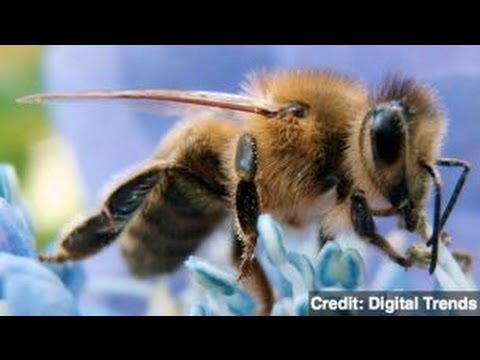
Bee Venom Can Kill HIV, Study Says
0
VoiceTube posted on 2013/03/29Get ready for some amazing science news! This video dives into how bee venom nanoparticles are showing incredible promise in fighting HIV, and you'll pick up some fascinating advanced vocabulary along the way. It's a hopeful look at a potential breakthrough that's definitely worth learning about!
Learn this video on the APP!
The VoiceTube App has more in-depth practice for videos!