
absorb
US /əbˈsɔrb, -ˈzɔrb/
UK /əb'sɔ:b/
- Transitive Verb
- To take up all attention / energy of something
- To take in a liquid; soak up
B1TOEICMoreabstract
US /ˈæbˌstrækt/
UK /'æbstrækt/
- Noun (Countable/Uncountable)
- Passage of text from an article or book
- Something that doesn't exist physically
- Adjective
- Concerning something that doesn't exist physically
- Relating to abstract art.
B1Moreadapt
US /əˈdæpt/
UK /ə'dæpt/
- Transitive Verb
- To change something for a different function
- To change something to fit or suit a new purpose
- Intransitive Verb
- To change your behaviour so that it is easier to live in a new place or situation
B1TOEICMoreafter all
US /ˈæftɚ ɔl/
UK /ˈɑ:ftə ɔ:l/
- Adverb
- In spite of what was expected; used to introduce a statement that supports a previous statement or explains why it was made
- Considering everything; used to indicate that something is happening or is true despite some difficulty or obstacle
- Phrase
- Despite what was expected or thought; in spite of everything.
- Taking everything into consideration; considering that.
B1Moreastounding
US
UK
- Transitive Verb
- To surprise someone greatly
C1Moreat once
US /æt wʌns/
UK /æt wʌns/
- Adverb
- Immediately; without delay
- At the same time; simultaneously
A2Morebased on
US
UK
- Phrasal Verb
- To use something as the foundation or starting point for something else.
- Preposition
- Using something as the main idea or foundation.
- Relying on something as evidence or justification.
A1Moreburden
US /ˈbɚdn/
UK /'bɜ:dn/
- Transitive Verb
- To weigh down with a load; impose a task upon
- Noun (Countable/Uncountable)
- Something difficult to do, manage, or accept
- Something that is carried with difficulty; an oppressive load.
B1Morecanine
US /ˈkenaɪn/
UK /ˈkeɪnaɪn/
- Countable Noun
- Long, pointed tooth
- a dog
- Adjective
- of or relating to dogs
- Relating to or resembling a dog or dogs.
C1Moreconserve
US /kənˈsɜ:rv/
UK /kənˈsɜ:v/
- Transitive Verb
- To save or protect something
- To keep or put in reserve
- Uncountable Noun
- The act of conserving something, especially a natural resource.
B1Moreconsume
US /kənˈsum/
UK /kən'sju:m/
- Transitive Verb
- To eat, drink, buy or use up something
- To take all your energy; focus the attention
A2TOEICMorecrucial
US /ˈkruʃəl/
UK /'kru:ʃl/
- Adjective
- Extremely important or necessary
- Of great importance to the success of something.
B1Moredense
US /dɛns/
UK /dens/
- Adjective
- Very thick and difficult to see, get through
- Hard to understand
B1TOEICMoredensely
US /ˈdɛnslɪ/
UK /denslɪ/
- Adverb
- Thickly (filled or covered)
B1Moredrawback
US /ˈdrɔˌbæk/
UK /ˈdrɔ:bæk/
- Noun
- A disadvantage or problem
B2Moredumb
US /dʌm/
UK /dʌm/
- Adjective
- Senseless; stupid
B1Moreelusive
US /ɪˈlusɪv/
UK /iˈlu:sɪv/
- Adjective
- Difficult to find or catch
- Difficult to understand or define
B2Moreendure
US /ɛnˈdʊr, -ˈdjʊr/
UK /ɪn'djʊə(r)/
- Intransitive Verb
- To last for a long time; continue to exist
- Transitive Verb
- To accept difficulties without struggle
B1TOEICMoreenergy
US /ˈɛnədʒi/
UK /'enədʒɪ/
- Noun (Countable/Uncountable)
- Physical or mental strength
- Enthusiasm and determination.
A2Moreerrand
US /ˈɛrənd/
UK /ˈerənd/
- Noun (Countable/Uncountable)
- Short trip to buy, collect something, etc.
- A short journey undertaken to perform a specified action.
B2Moreexecutive
US /ɪɡˈzɛkjətɪv/
UK /ɪɡ'zekjətɪv/
- Noun (Countable/Uncountable)
- A senior manager in a business or organization
- The branch of government responsible for enforcing laws.
- Adjective
- Of a high ranking job in a company
- Relating to the management of a business or organization.
A2TOEICMorefigure out
US /ˈfɪɡjɚ aʊt/
UK /ˈfiɡə aut/
- Phrasal Verb
- To understand the behavior of someone
- To think through logically to find a solution
- Verb (Transitive/Intransitive)
- To understand or find an answer to something.
- To find a solution to a problem or understand something.
A1Morefrees up time
US
UK
- Phrasal Verb
- To make time available by dealing with things more efficiently or by postponing or cancelling activities.
generate
US /ˈdʒɛnəˌret/
UK /ˈdʒenəreɪt/
- Transitive Verb
- To create or be produced or bring into existence
- To create electricity, heat, energy and power
A2TOEICMoreglucose
US /ˈɡluˌkos/
UK /'ɡlu:kəʊs/
- Uncountable Noun
- Natural type of sugar found in fruits and plants
- The concentration of glucose in the blood, often measured to monitor metabolic health.
C1Morego towards
US
UK
- Phrasal Verb
- To move in the direction of someone or something.
B1Moreguilt
US /ɡɪlt/
UK /gɪlt/
- Uncountable Noun
- Shame at doing something bad or wrong
A2TOEICMoreguilty
US /ˈɡɪlti/
UK /'ɡɪltɪ/
- Adjective
- Responsible for doing something wrong
- Feeling or showing guilt; having a sense of remorse.
A2TOEICMorehave to
US /hæv tu/
UK /ˈhæv tə/
- Auxiliary Verb
- Must do
A1Morehog
US /hɔ:g/
UK /hɒg/
- Verb (Transitive/Intransitive)
- To claim or use most of something, in a greedy way
- Noun (Countable/Uncountable)
- Another word for 'pig'
- A domesticated pig, especially one raised for slaughter.
B2Morehop
US /hɑp/
UK /hɒp/
- Noun
- Dance party
- Small jump, often on one foot
- Intransitive Verb
- To move from one place to another
- To make small jump, as from one foot to the other
B2Morehop to it
US /hɑp tu ɪt/
UK /hɔp tu: it/
- Idiom
- To begin quickly or get busy with something.
A2Morehuge
US /hjudʒ/
UK /hju:dʒ/
- Adjective
- Very very large
A2Morein order to
US /ɪn ˈɔrdɚ tu/
UK /in ˈɔ:də tu:/
- Preposition
- For the purpose of; with the aim of.
- Phrase
- In a specific sequence or arrangement.
- With the aim of; for the purpose of.
C1Moreindictment
US /ɪnˈdaɪtmənt/
UK /ɪnˈdaɪtmənt/
- Noun
- Charge of committing a crime
- A sign that a system, society, etc. is bad or wrong.
C2Moreintact
US /ɪn'tækt/
UK /ɪn'tækt/
- Adjective
- Being complete, without damaged or missing parts
B1Morelobe
US /loʊb/
UK /ləʊb/
- Noun (Countable/Uncountable)
- Round part in body, e.g. some parts of brain
- part of an organ(e.g. the brain, lungs, or liver) that seems to be separate in some way from the rest
B2Moremaintain
US /menˈten/
UK /meɪn'teɪn/
- Transitive Verb
- To keep saying something a certain way
- To keep (machine) working by checking, repairing
A2TOEICMoremental
US /ˈmɛntl/
UK /ˈmentl/
- Adjective
- Concerning the mind
A2TOEICMoremyth
US /mɪθ/
UK /mɪθ/
- Noun (Countable/Uncountable)
- Popular belief that is false, unsupported by fact
- Famous story dealing with origins of a culture
B1Morenerve
US /nɚv/
UK /nə:v/
- Noun (Countable/Uncountable)
- Fibers in the body that enable feeling, movement
- Courage to do something that is difficult or risky
- Verb (Transitive/Intransitive)
- To summon one's courage; brace oneself.
A2Morenine tenths
US
UK
- Noun
- A fraction representing nine parts out of ten.
- Adjective
- Almost entirely; a very large proportion.
A1Moreoutside of
US /aʊtˈsaɪd ʌv/
UK /ˌautˈsaid ɔv/
- Preposition
- Located or situated beyond the boundaries or confines of something.
- Beyond the scope, range, or limits of something.
A1Morepack in
US /pæk ɪn/
UK /pæk in/
- Phrasal Verb
- To decide to stop doing something
A1Morepotassium
US /pəˈtæsiəm/
UK /pəˈtæsiəm/
- Uncountable Noun
- A common, soft, silvery white metal with many uses
- Potassium as a nutrient found in food.
B2Morepotential
US /pəˈtɛnʃəl/
UK /pəˈtenʃl/
- Adjective
- Capable of happening or becoming reality
- Having or showing the capacity to develop into something in the future.
- Uncountable Noun
- someone's or something's ability to develop, achieve, or succeed
A2TOEICMoreprimate
US /ˈpraɪmɪt, -ˌmet/
UK /'praɪmeɪt/
- Countable Noun
- One of species containing humans and monkeys
- A chief bishop or archbishop.
B2Morepropel
US /prəˈpɛl/
UK /prəˈpel/
- Transitive Verb
- To push, or make move in a certain direction
B1Moreproportion
US /prəˈpɔrʃən, -ˈpor-/
UK /prəˈpɔ:ʃn/
- Noun (Countable/Uncountable)
- A part of a whole thing
- State of balance between two or more things
- Transitive Verb
- To balance the size of something with another
- To adjust or adapt so that they have the correct relationship with each other.
A2Morepsychology
US /saɪˈkɑlədʒi/
UK /saɪ'kɒlədʒɪ/
- Uncountable Noun
- The study of the mind and how it affects behavior
- Way in which a person or group thinks and behaves
C2Morepump
US /pʌmp/
UK /pʌmp/
- Verb (Transitive/Intransitive)
- To make liquid or gas flow in a particular direction
- To make water/other liquid move using a machine
- Noun
- A device more moving liquids
- Light woman's shoe
B1Morerender
US /ˈrɛndɚ/
UK /ˈrendə(r)/
- Transitive Verb
- To cause to be in a certain state or condition
- To digitally make an image ready for use
- Noun (Countable/Uncountable)
- A first coat of plaster applied to a surface.
B1TOEICMorerodent
US /ˈroʊdnt/
UK /ˈrəʊdnt/
- Noun
- Animal that gnaws/bites, e.g. rat, mouse, rabbit
B2Moresensory
US /ˈsɛnsəri/
UK /ˈsensəri/
- Adjective
- Referring to the physical senses
B2Moreskull
US /skʌl/
UK /skʌl/
- Noun
- Structure of bones forming the face and head
B2Moresodium
US /ˈsodiəm/
UK /'səʊdɪəm/
- Uncountable Noun
- A soft, white chemical element
B2Morespare
US /spɛr/
UK /speə(r)/
- Transitive Verb
- To make (money or time) available for
- To save from being hurt or punished
- Adjective
- Being extra or in reserve
A2Moresupposedly
US /səˈpoʊzɪdli/
UK /səˈpəʊzɪdli/
- Adverb
- As some people believe (shows you doubt it)
A2Moresustain
US /səˈsten/
UK /sə'steɪn/
- Transitive Verb
- To lengthen or continue to do something
- To support or maintain someone or something
B2TOEICMoretrade off
US /treid ɔf/
UK /treid ɔf/
- Noun (Countable/Uncountable)
- Exchange that occurs as a compromise
- Verb (Transitive/Intransitive)
- To accept that you cannot have everything you want and give up something that is less important so that you can have what is more important.
- To balance two opposing situations or qualities; to compromise.
C2Moreunderscore
US //ˌʌndərˈskɔr//
UK
- Transitive Verb
- To highlight or stress
- To provide a musical accompaniment or background to a scene or performance.
- Noun
- A punctuation mark (_) written below the line.
- A line drawn under a word or phrase for emphasis or to indicate a space.
C1Moreuphold
US /ʌpˈhold/
UK /ʌp'həʊld/
- Transitive Verb
- To support to keep it being used as it should
- To maintain an argument in spite of opposition
B2Moreusage
US /ˈjusɪdʒ, -zɪdʒ/
UK /ˈju:sɪdʒ/
- Noun (Countable/Uncountable)
- Amount something is used
- Way something is actually used
B2Morewaste
US /west/
UK /weɪst/
- Transitive Verb
- To kill or severely harm someone
- To use valuable things ineffectively
- Uncountable Noun
- Materials left over after a process has finished
A2TOEICMorewithout which
US
UK
- Conjunction
- Used to indicate something that is essential or necessary for something else to exist or happen.
- Phrase
- Lacking the necessary element or condition.
A2More
Vocabulary
- outside of: Located or situated beyond the boundaries or confines of something.
- at once: Immediately; without delay
- based on: To use something as the foundation or starting point for something else.
- figure out: To understand the behavior of someone
- without which: Used to indicate something that is essential or necessary for something else to exist or happen.
- nine tenths: A fraction representing nine parts out of ten.
- pack in: To decide to stop doing something
- trade off: Exchange that occurs as a compromise
- frees up time: To make time available by dealing with things more efficiently or by postponing or cancelling activities.
- go towards: To move in the direction of someone or something.
- in order to: For the purpose of; with the aim of.
- have to: Must do
- after all: In spite of what was expected; used to introduce a statement that supports a previous statement or explains why it was made
- hop to it: To begin quickly or get busy with something.
- crucial: Extremely important or necessary
- potential: Capable of happening or becoming reality
- mental: Concerning the mind
- figure: To appear in a game, play or event
- executive: A senior manager in a business or organization
- consume: To eat, drink, buy or use up something
- dumb: Senseless; stupid
- psychology: The study of the mind and how it affects behavior
- spare: To make (money or time) available for
- abstract: Passage of text from an article or book
- burden: To weigh down with a load; impose a task upon
- guilty: Responsible for doing something wrong
- myth: Popular belief that is false, unsupported by fact
- absorb: To take up all attention / energy of something
- elusive: Difficult to find or catch
- brain: To strike someone forcefully on the head
- endure: To last for a long time; continue to exist
- maintain: To keep saying something a certain way
- sustain: To lengthen or continue to do something
- glucose: Natural type of sugar found in fruits and plants
- intact: Being complete, without damaged or missing parts
- adapt: To change something for a different function
- simply: In an easy or clear manner
- huge: Very very large
- dense: Very thick and difficult to see, get through
- generate: To create or be produced or bring into existence
- render: To cause to be in a certain state or condition
- reason: To think and make conclusions in a logical manner
- rest: Time when one relaxes, sleeps, or is inactive
- nerve: Fibers in the body that enable feeling, movement
- sensory: Referring to the physical senses
- supposedly: As some people believe (shows you doubt it)
- energy: Physical or mental strength
- proportion: A part of a whole thing
- skull: Structure of bones forming the face and head
- sodium: A soft, white chemical element
- astounding: To surprise someone greatly
- waste: To kill or severely harm someone
- guilt: Shame at doing something bad or wrong
- propel: To push, or make move in a certain direction
- drawback: A disadvantage or problem
- hop: Dance party
- canine: Long, pointed tooth
- errand: Short trip to buy, collect something, etc.
- usage: Amount something is used
- rodent: Animal that gnaws/bites, e.g. rat, mouse, rabbit
- active: Moving around a lot or doing many things
- conserve: To save or protect something
- neuroscience: Scientific study of the nervous system
- densely: Thickly (filled or covered)
- primate: One of species containing humans and monkeys
- potassium: A common, soft, silvery white metal with many uses
- pack: Bag carried on the back of donkey, etc.
- pump: To make liquid or gas flow in a particular direction
- human: A person; a man, woman or child
- time: Speed at which music is played; tempo
- indictment: Charge of committing a crime
- lobe: Round part in body, e.g. some parts of brain
- hog: To claim or use most of something, in a greedy way
- uphold: To support to keep it being used as it should
- cost: A loss or damage occurring when meeting a goal
- fire: Heat and the flame produced when burning
- number: Symbols such as 1, 2, 56, 793
- power: Legal or official right to perform certain actions
- small: Little in size; not big
- underscore: To highlight or stress
Get the full experience in the app
Learn anywhere with detailed sentence and usage analysis
01:03
She took a brave step forward, leaving behind her comfort zone to chase her dreams.
Vocabulary
- brave
adj. Having courage
- comfort zone
phr. A familiar situation where one feels safe
Explanation
a brave step is a noun phrase, where brave is an adjective modifying the noun step, meaning "a courageous step".
forward is an adverb modifying step, meaning "ahead".
The whole phrase serves as the object, answering the "what" of took (verb) — she took a brave step forward.
Get the full experience in the app
Look up words anytime with pronunciation, part of speech, and usage
brave
US/brev/
UK/breɪv/
adj.Brave
v.t.To bravely face
A2 Elementary
Get the full experience in the app
Practice speaking anytime and get instant pronunciation feedback
Try this speaking exercise.
Try practicing with this sentence.
80
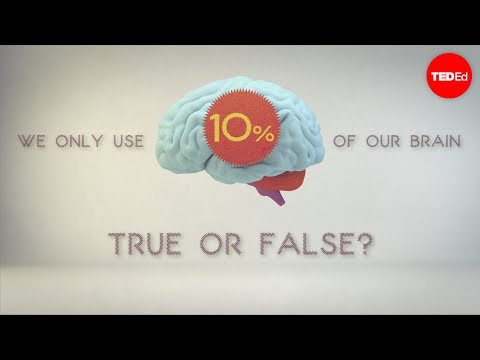
【TED-Ed】What percentage of your brain do you use? - Richard E. Cytowic
0
VoiceTube posted on 2023/06/22Ever wondered if you're only using 10% of your brain? This fascinating TED-Ed video dives into neuroscience to debunk that popular myth, explaining how your brain actually uses a lot of energy! You'll pick up advanced vocabulary related to brain metabolism and learn about the science behind multitasking limits.
Learn this video on the APP!
The VoiceTube App has more in-depth practice for videos!