
attention
US /əˈtɛnʃən/
UK /əˈtenʃn/
- Noun (Countable/Uncountable)
- Taking notice of someone or something
- Noun
- (Soldiers) Standing with straight backs
A2TOEICMorebite
US /baɪt/
UK /baɪt/
- Noun (Countable/Uncountable)
- Amount of food taken into your mouth at one time
- Wound left from being bitten
- Intransitive Verb
- (E.g. of fish) to take bait and be caught
A2Moreblood
US /blʌd/
UK /blʌd/
- Uncountable Noun
- Red liquid in the bodies of people and animals
- Related by birth; family
- Transitive Verb
- To be initiated into something, e.g. a secret club
A2Morecalm
US /kɑm/
UK /kɑ:m/
- Adjective
- Without wind or storm; quiet; peaceful
- Relaxed and not worried or angry
- Verb (Transitive/Intransitive)
- To make or become relaxed and not worried or angry
A2Morecome from
US /kʌm frʌm/
UK /kʌm frɔm/
- Phrasal Verb
- To have as your native country or city
A1Moredeadly
US /ˈdɛdli/
UK /ˈdedli/
- Adjective
- Causing or capable of causing death
- Being very accurate
- Adverb
- Extremely; intensely.
A2Moredistinction
US /dɪˈstɪŋkʃən/
UK /dɪˈstɪŋkʃn/
- Noun (Countable/Uncountable)
- Special quality that makes something different
- A prize of award for a high level of achievement
A2TOEICMorefor example
US
UK
- Phrase
- As an illustration or instance.
in fact
US /ɪn fækt/
UK /in fækt/
- Adverb
- Used to emphasize the truth of a statement, especially one that contrasts with or contradicts something else.
- Used to introduce a more detailed or surprising piece of information.
- Phrase
- Used to emphasize the truth of a statement, especially one that is surprising or contrary to what might be expected.
C1Moremedical
US /ˈmɛdɪkəl/
UK /ˈmedɪkl/
- Adjective
- Of or relating to physical health or medicine
- Noun
- A health check or test
A2Moreon the internet
US
UK
- Phrase
- Located or available on the internet.
- Using the internet as a medium or platform.
A1Moreon the other hand
US
UK
- Phrase
- Considering a different aspect of the matter; alternatively.
A1Morepoisonous
US /ˈpɔɪzənəs/
UK /ˈpɔɪzənəs/
- Adjective
- Harmful; unfriendly; unpleasant
- Causing sickness or death when eaten or drunk
A2Moreshoot
US /ʃut/
UK /ʃu:t/
- Verb (Transitive/Intransitive)
- To kick or throw a ball at a goal
- To fire a gun; injure or kill someone with a gun
- Countable Noun
- Emerging new part of a plant
A2Moretoxic
US /ˈtɑksɪk/
UK /ˈtɒksɪk/
- Adjective
- Poisonous; harmful
- (Of relationships) harmful; causing conflict
B2Moreused to
US /juzd tu/
UK /ˈju:st tə/
- Adjective
- Did regularly before, but don't do now
- Auxiliary Verb
- Have done before, but do not do now
A1More
Vocabulary
- used to: Did regularly before, but don't do now
- in fact: Used to emphasize the truth of a statement, especially one that contrasts with or contradicts something else.
- on the other hand : Considering a different aspect of the matter; alternatively.
- for example: As an illustration or instance.
- come from: To have as your native country or city
- on the internet: Located or available on the internet.
- treat: To pay for the food or enjoyment of someone else
- attention: Taking notice of someone or something
- calm: Without wind or storm; quiet; peaceful
- toxic: Poisonous; harmful
- wind: A current of air moving approximately horizontally, especially one strong enough to be felt
- stay: To keep trying without giving up
- blood: Red liquid in the bodies of people and animals
- bite: Amount of food taken into your mouth at one time
- fire: Heat and the flame produced when burning
- distinction: Special quality that makes something different
- medical: Of or relating to physical health or medicine
- shoot: To kick or throw a ball at a goal
- poisonous: Harmful; unfriendly; unpleasant
- animal: A living creature that is not a plant or person
- deadly: Causing or capable of causing death
Get the full experience in the app
Learn anywhere with detailed sentence and usage analysis
01:03
She took a brave step forward, leaving behind her comfort zone to chase her dreams.
Vocabulary
- brave
adj. Having courage
- comfort zone
phr. A familiar situation where one feels safe
Explanation
a brave step is a noun phrase, where brave is an adjective modifying the noun step, meaning "a courageous step".
forward is an adverb modifying step, meaning "ahead".
The whole phrase serves as the object, answering the "what" of took (verb) — she took a brave step forward.
Get the full experience in the app
Look up words anytime with pronunciation, part of speech, and usage
brave
US/brev/
UK/breɪv/
adj.Brave
v.t.To bravely face
A2 Elementary
Get the full experience in the app
Practice speaking anytime and get instant pronunciation feedback
Try this speaking exercise.
Try practicing with this sentence.
80
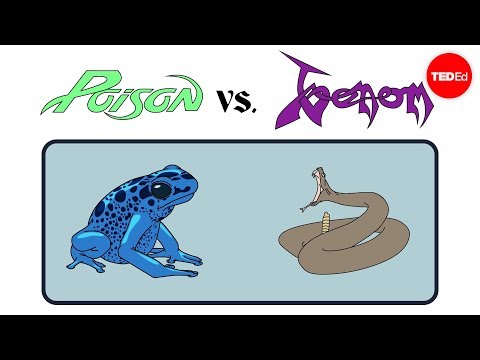
【TED-Ed】Poison vs. venom: What's the difference? - Rose Eveleth
0
阿多賓 posted on 2014/03/22Ever wondered if you'd rather be bitten by a snake or touch a frog? This fascinating video dives into the surprising differences between poison and venom, introducing you to some wild creatures and essential vocabulary like 'neurotoxins' and 'tetrodotoxin'. You'll also learn some practical tips for emergency treatment, making this a super useful watch!
Learn this video on the APP!
The VoiceTube App has more in-depth practice for videos!