
cause
US /kɔz/
UK /kɔ:z/
- Noun
- Belief, goal or organization that people support
- Reason for
- Transitive Verb
- To make something happen; create effect or result
A2Morecircuit
US /ˈsɜ:rkɪt/
UK /ˈsɜ:kɪt/
- Noun
- An area where cars race in a circle
- Route for journey all the way around a place
- Intransitive Verb
- To complete a journey all the way round an area
B1Morecome back
US /kʌm bæk/
UK /kʌm bæk/
- Phrasal Verb
- To reply to someone, often forcefully
- To be remembered
A1Morecompulsive
US /kəmˈpʌlsɪv/
UK /kəm'pʌlsɪv/
- Adjective
- Having difficulty to stop yourself doing something
- Acting as a result of an irresistible urge; addicted.
B2Morecontaminated
US /kən'tæməneɪtɪd/
UK /kən'tæmɪneɪtɪd/
- Transitive Verb
- To make impure by adding a harmful element
- Adjective
- Having been made impure or unsuitable.
- Having been made impure by exposure to or contact with a poisonous or polluting substance.
B2Moredisease
US /dɪˈziz/
UK /dɪˈzi:z/
- Noun (Countable/Uncountable)
- Illness that affects a person, animal, or plant
- A disorder of structure or function in a plant, especially one caused by a pathogen.
- Transitive Verb
- To affect with disease; to corrupt or sicken.
A2TOEICMorefeel happy
US
UK
- Intransitive Verb
- To experience a sense of joy, pleasure, or contentment.
A1Morefigure out
US /ˈfɪɡjɚ aʊt/
UK /ˈfiɡə aut/
- Phrasal Verb
- To understand the behavior of someone
- To think through logically to find a solution
- Verb (Transitive/Intransitive)
- To understand or find an answer to something.
- To find a solution to a problem or understand something.
A1Morefunctional
US /ˈfʌŋkʃənəl/
UK /ˈfʌŋkʃənl/
- Adjective
- Useful; not just for decoration
- In working order; operative.
- Noun
- A function whose argument is itself a function.
A2Morehave to
US /hæv tu/
UK /ˈhæv tə/
- Auxiliary Verb
- Must do
A1Morein a minute
US
UK
- Phrase
- Very soon; in a short amount of time.
- Within the duration of one minute.
A1Morein fact
US /ɪn fækt/
UK /in fækt/
- Adverb
- Used to emphasize the truth of a statement, especially one that contrasts with or contradicts something else.
- Used to introduce a more detailed or surprising piece of information.
- Phrase
- Used to emphasize the truth of a statement, especially one that is surprising or contrary to what might be expected.
C1Morelaughter
US /ˈlæftɚ, ˈlɑf-/
UK /ˈlɑ:ftə(r)/
- Uncountable Noun
- Action or sound of laughing
- The feeling of amusement that makes you laugh.
A2Moreleft out
US
UK
- Phrasal Verb
- To forget; omit
- To exclude someone or something; to not include.
A1Morelights up
US
UK
- Phrasal Verb
- Third-person singular present tense of to illuminate something; to make something brighter with light.
- Third-person singular present tense of to ignite a cigarette, cigar, or pipe for smoking.
A1Moreloop in
US /lup ɪn/
UK /lu:p ɪn/
- other
- To include someone in a conversation or communication.
B2Moreloosen up
US /ˈlusən ʌp/
UK /ˈlu:sən ʌp/
- Phrasal Verb
- To become more relaxed and less tense.
- To become less strict or rigid.
C2Moreobsessive
US /əbˈsɛsɪv, ɑb-/
UK /əbˈsesɪv/
- Adjective
- Characterized by or constituting an obsession
- Thinking about something or someone all the time
B2Moreof choice
US /əv tʃɔɪs/
UK /əv tʃɔɪs/
- other
- Indicating something is preferred or selected deliberately.
B2Moreof course
US /ʌv kɔː(r)s/
UK /ɔv kɔː(r)s/
- Adverb
- Sure ; Certainly
- Phrase
- For sure; certainly
A2Moreon earth
US /ɑn ɚθ/
UK /ɔn ə:θ/
- Phrase
- Used to emphasize a question expressing surprise or anger.
- Used to emphasize that something is not possible or will not happen.
A1Moreout of whack
US /aʊt ʌv hwæk/
UK /aut ɔv hwæk/
- Adjective
- Not in proper working order; not functioning correctly.
- Not properly aligned or adjusted.
A1Moreout there
US /aʊt ðɛr/
UK /aut ðɛə/
- Adverb
- In or to a place that is far away
- Existing in the universe
- Adjective
- Unconventional; strange; avant-garde
- Existing or available.
A1Moreover time
US /ˈovɚ taɪm/
UK /ˈəuvə taim/
- Phrase
- Gradually; as time passes.
- During a long period.
- Adverb
- Gradually; as time passes.
B1Morepoint out
US /pɔɪnt aʊt/
UK /pɔint aut/
- Phrasal Verb
- To make others aware of an idea
- To draw attention to something or someone
A1Morescratching the surface
US
UK
- Verb (Transitive/Intransitive)
- To deal with a subject or problem without analyzing it thoroughly.
A1Moreset up
US /sɛt ʌp/
UK /set ʌp/
- Phrasal Verb
- To make arrangements for something; establish
- Verb (Transitive/Intransitive)
- To arrange or prepare something for use.
- To start a business, organization, etc.
A1Moreshower with
US /ˈʃaʊɚ wɪð/
UK /ˈʃaʊə wɪð/
- other
- To give someone a lot of something as a sign of affection.
B2Moresit down
US /sit daʊn/
UK /sit daun/
- Phrasal Verb
- To take a seat
A1Morestand behind
US /stænd bɪˈhaɪnd/
UK /stænd biˈhaind/
- Phrasal Verb
- To support or defend someone or something.
- To take responsibility for something.
A2Morestrip naked
US
UK
- Transitive Verb
- To remove all clothes; to make someone remove all clothes.
talking about
US
UK
- Phrasal Verb
- To discuss a particular topic.
- To be constantly mentioning or bringing up a subject.
A1Morethink about
US /θɪŋk əˈbaʊt/
UK /θiŋk əˈbaut/
- Phrasal Verb
- To consider something carefully.
- To remember or call to mind.
A1Moreup to speed
US /ʌp tu spid/
UK /ʌp tu: spi:d/
- Adjective
- Fully informed; aware of the latest information
wake up
US /wek ʌp/
UK /weik ʌp/
- Phrasal Verb
- To stop sleeping
- To become fully aware and alert to a situation.
A1Morework on
US /wɚk ɑn/
UK /wə:k ɔn/
- Phrasal Verb
- To devote effort to improve or develop something
- To try to persuade or influence someone.
A1More
Vocabulary
- have to: Must do
- in fact: Used to emphasize the truth of a statement, especially one that contrasts with or contradicts something else.
- talking about: To discuss a particular topic.
- figure out: To understand the behavior of someone
- out there: In or to a place that is far away
- on earth: Used to emphasize a question expressing surprise or anger.
- come back: To reply to someone, often forcefully
- of course: Sure ; Certainly
- lights up: Third-person singular present tense of to illuminate something; to make something brighter with light.
- feel happy: To experience a sense of joy, pleasure, or contentment.
- loosen up: To become more relaxed and less tense.
- stand behind: To support or defend someone or something.
- up to speed: Fully informed; aware of the latest information
- left out: To forget; omit
- out of whack: Not in proper working order; not functioning correctly.
- sit down: To take a seat
- set up
- strip naked: To remove all clothes; to make someone remove all clothes.
- shower with: To give someone a lot of something as a sign of affection.
- of choice: Indicating something is preferred or selected deliberately.
- in a minute: Very soon; in a short amount of time.
- loop in: To include someone in a conversation or communication.
- over time: Gradually; as time passes.
- work on: To devote effort to improve or develop something
- wake up: To stop sleeping
- point out: To make others aware of an idea
- scratching the surface: To deal with a subject or problem without analyzing it thoroughly.
- think about: To consider something carefully.
- to: Toward a point, person, place or thing
- go: To attend or be at a place
- cause: Belief, goal or organization that people support
- brain: To strike someone forcefully on the head
- disease: Illness that affects a person, animal, or plant
- call: A order or request for action
- control: A device designed to operate a machine
- deep: Complex and important
- laughter: Action or sound of laughing
- area: Amount of measured space
- compulsive: Having difficulty to stop yourself doing something
- obsessive: Characterized by or constituting an obsession
- circuit: An area where cars race in a circle
- contaminated: To make impure by adding a harmful element
- functional: Useful; not just for decoration
Get the full experience in the app
Learn anywhere with detailed sentence and usage analysis
01:03
She took a brave step forward, leaving behind her comfort zone to chase her dreams.
Vocabulary
- brave
adj. Having courage
- comfort zone
phr. A familiar situation where one feels safe
Explanation
a brave step is a noun phrase, where brave is an adjective modifying the noun step, meaning "a courageous step".
forward is an adverb modifying step, meaning "ahead".
The whole phrase serves as the object, answering the "what" of took (verb) — she took a brave step forward.
Get the full experience in the app
Look up words anytime with pronunciation, part of speech, and usage
brave
US/brev/
UK/breɪv/
adj.Brave
v.t.To bravely face
A2 Elementary
Get the full experience in the app
Practice speaking anytime and get instant pronunciation feedback
Try this speaking exercise.
Try practicing with this sentence.
80
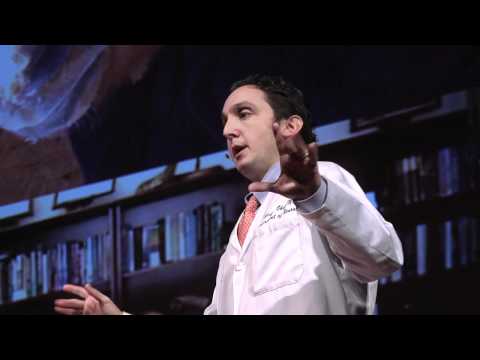
【TEDx】How to control the brain: Michael Okun and Kelly Foote at TEDxUF
0
阿多賓 posted on 2014/03/08Ever wondered how we can actually control the brain? This fascinating TEDx talk dives into the incredible world of Deep Brain Stimulation, explaining how it helps with conditions like Parkinson's and OCD. You'll pick up some advanced vocabulary related to neuroscience and hear inspiring patient stories!
Learn this video on the APP!
The VoiceTube App has more in-depth practice for videos!