
across the board
US
UK
- Phrase
- Broad in scope or content
- Adverb
- Applying to all; comprehensive; universal.
- Involving all sectors, categories, or items.
A1Morealong with
US /əˈlɔŋ wɪð/
UK /əˈlɔŋ wið/
- Preposition
- In addition to; together with.
- Adverb
- In company or together with someone or something.
- Including; in addition to.
A2Moreanswer for
US /ˈænsɚ fər/
UK /ˈɑ:nsə fə/
- other
- Be responsible for and explain one's actions.
C1Morearound the world
US /əˈraʊnd ði wɜrld/
UK /əˈraund ðə wɜː(r)ld/
- Phrase
- In or to many countries.
- In various places throughout the world.
A2Moreas a whole
US /æz e hol/
UK /æz ə həul/
- Phrase
- Considering everything together; in general.
- Complete; not divided or incomplete.
- Adjective
- Complete; not divided or fragmented.
A1Moreas long as
US /æz lɔŋ æz/
UK /æz lɔŋ æz/
- Conjunction
- For the period that; provided that.
- For the length of time that
- Preposition
- On the condition that; providing that.
- Having the same length as.
A1Moreas well as
US /æz wɛl æz/
UK /æz wel æz/
- Adverb
- Also; in addition to
- Preposition
- In addition to; and also.
A1Moreat a time
US /æt e taɪm/
UK /æt ə taim/
- Phrase
- Separately; one by one
- Simultaneously; together
A1Moreat least
US /æt list/
UK /æt li:st/
- Adverb
- As a minimum
- Not less than
- Phrase
- No less than; at the minimum
- Used to indicate that something is positive in a bad situation.
C2Moreat once
US /æt wʌns/
UK /æt wʌns/
- Adverb
- Immediately; without delay
- At the same time; simultaneously
A2Moreat that time
US /æt ðæt taɪm/
UK /æt ðæt taim/
- Phrase
- During a specific point in the past.
A1Moreat the moment
US
UK
- Adverb
- At this time; now
A1Moreback to work
US
UK
- Phrase
- Returning to one's job or professional duties after a period of absence.
- Interjection
- An expression used to urge or remind people to resume working.
A1Morebalance out
US /ˈbæləns aʊt/
UK /ˈbæləns aut/
- Phrasal Verb
- To make or become more equal to another thing
A2Morebang for the buck
US /bæŋ fər ðə bʌk/
UK /bæŋ fə ðə bʌk/
- other
- The best value or return for the money spent.
B2Morebargain for
US /ˈbɑrgən fɚ/
UK /ˈbɑ:gɪn fə/
- other
- To expect or anticipate something, especially unexpectedly.
B2Morebased on
US
UK
- Phrasal Verb
- To use something as the foundation or starting point for something else.
- Preposition
- Using something as the main idea or foundation.
- Relying on something as evidence or justification.
A1Moreblow up
US /blo ʌp/
UK /bləu ʌp/
- Phrasal Verb
- To suddenly become angry
- To put air in something, e.g. a tire or balloon
- Verb (Transitive/Intransitive)
- To explode; to be destroyed by an explosion.
A2Morebreak through
US /brek θru/
UK /breik θru:/
- Phrasal Verb
- To move quickly through (wall, etc.) using force
A1Morebring about
US
UK
- Phrasal Verb
- To cause to happen
A1Morebring back
US /brɪŋ bæk/
UK /briŋ bæk/
- Phrasal Verb
- To cause to remember
- To return something
A1Morebring down
US /brɪŋ daʊn/
UK /briŋ daun/
- Phrasal Verb
- To destroy (government, etc.) forcefully
- To kill someone, often with a gun
A1Morecarve out
US /kɑrv aʊt/
UK /kɑ:v aut/
- Phrasal Verb
- To create or obtain something through effort or skill.
- To separate or isolate something from a larger whole.
C2Morecatch up
US /kætʃ ʌp/
UK /kætʃ ʌp/
- Phrasal Verb
- To become equal with another person
- To inform others of the latest news
- Verb (Transitive/Intransitive)
- To do something that you have not been able to do recently.
- To meet someone you know in order to talk to them and find out what they have been doing.
A1Morecome apart
US /kʌm əˈpɑrt/
UK /kʌm əˈpɑ:t/
- Phrasal Verb
- To break into separate pieces
A1Morecome up
US /kʌm ʌp/
UK /kʌm ʌp/
- Phrasal Verb
- To come closer to someone; approach
- (Of sun) to rise into the sky in the morning
A1Morecome up with
US /kʌm ʌp wɪð/
UK /kʌm ʌp wið/
- Phrasal Verb
- To think of an idea or solution; produce
A1Morecoming after
US
UK
- Phrasal Verb
- To follow someone in order to threaten them
A1Morecorporate
US /ˈkɔrpərɪt, ˈkɔrprɪt/
UK /ˈkɔ:pərət/
- Adjective
- Concerning (usually large) companies
- Relating to a large company or group.
- Noun
- The overall strategy and direction of a company.
- The visual and communicative aspects of a company that create its public image.
A2Moredeal in
US /dil ɪn/
UK /di:l in/
- Phrasal Verb
- To buy and sell a particular product or products.
A1Moredeal with
US /dil wɪð/
UK /di:l wið/
- Verb (Transitive/Intransitive)
- To buy or sell goods or services.
- Phrasal Verb
- To take action to solve a problem or manage a situation.
- To be about; concern.
A1Moredespite the fact
US
UK
- Preposition
- In spite of; notwithstanding.
- Conjunction
- Even though; although.
A2Moredisagree with
US /ˌdɪsəˈɡri wɪð/
UK /ˌdisəˈɡri: wið/
- Phrasal Verb
- To have a different opinion from someone else.
- Intransitive Verb
- To cause someone to feel ill or uncomfortable.
A1Moreexperience in
US
UK
- Phrase
- Knowledge or skill gained from doing something for a period of time.
- Exposure to or involvement in a particular activity or situation.
B1Morefall apart
US /fɔl əˈpɑrt/
UK /fɔ:l əˈpɑ:t/
- Phrasal Verb
- To suffer a nervous breakdown
- To break into pieces; stop functioning
A1Morefeel like
US
UK
- Intransitive Verb
- To have a desire or inclination for something.
- To have a particular quality or sensation; resemble.
A1Morefight tooth and nail
US /faɪt tʊθ ənd neɪl/
UK /faɪt tu:θ ənd neɪl/
- other
- Fight fiercely and with maximum effort to achieve or defend something.
B2Morefigure out
US /ˈfɪɡjɚ aʊt/
UK /ˈfiɡə aut/
- Phrasal Verb
- To understand the behavior of someone
- To think through logically to find a solution
- Verb (Transitive/Intransitive)
- To understand or find an answer to something.
- To find a solution to a problem or understand something.
A1Morefix the problem
US
UK
- Transitive Verb
- To find a solution to a problem; to repair something that is broken.
A1Morefor example
US
UK
- Phrase
- As an illustration or instance.
for lack of trying
US /fɚ læk əv ˈtraɪɪŋ/
UK /fə læk ɔv ˈtraɪɪŋ/
- other
- Without failing due to insufficient effort; despite much effort.
B2Morefor too long
US
UK
- Phrase
- For an excessively extended period.
A1Moreget hands on
US
UK
- Adjective
- Involving active participation and direct experience.
- Verb (Transitive/Intransitive)
- To become actively involved in managing or doing something.
A1Moreget here
US
UK
- Intransitive Verb
- To arrive at a specific location.
A1Morego ahead
US /ɡo əˈhɛd/
UK /ɡəu əˈhed/
- Phrasal Verb
- To start an activity; start doing, working etc.
- To give permission to do something
- Intransitive Verb
- To start or proceed with something
- To proceed despite potential obstacles or doubts.
A1Moregoing on
US /ˈɡoɪŋ ɑn/
UK /ˈgəʊɪŋ ɔn/
- Phrasal Verb
- To continue doing something
- To happen (usually negative)
A1Moregot to
US /ɡɑt tu/
UK /gɔt tu:/
- Verb (Transitive/Intransitive)
- To arrive at some place
- To have the opportunity or permission to do something
- Phrasal Verb
- To appeal to the emotions of; move
- To finally begin to start something after a delay
A1Morehave to
US /hæv tu/
UK /ˈhæv tə/
- Auxiliary Verb
- Must do
A1Morein addition to
US /ɪn əˈdɪʃən tu/
UK /in əˈdiʃən tu:/
- Preposition
- Besides; as well as
- Phrase
- Besides; as well as.
- Furthermore; moreover.
B1Morein fact
US /ɪn fækt/
UK /in fækt/
- Adverb
- Used to emphasize the truth of a statement, especially one that contrasts with or contradicts something else.
- Used to introduce a more detailed or surprising piece of information.
- Phrase
- Used to emphasize the truth of a statement, especially one that is surprising or contrary to what might be expected.
C1Morein favor of
US /ɪn ˈfevɚ ʌv/
UK /in ˈfeivə ɔv/
- Phrase
- Expressing support or approval for someone or something.
- To the advantage of; benefiting.
- Preposition
- Supporting or approving of something.
- To the advantage of; to the benefit of.
A1Morein mind
US /ɪn maɪnd/
UK /in maind/
- Phrase
- Being aware of or considering something.
- To remember or consider something.
A2Morein order to
US /ɪn ˈɔrdɚ tu/
UK /in ˈɔ:də tu:/
- Preposition
- For the purpose of; with the aim of.
- Phrase
- In a specific sequence or arrangement.
- With the aim of; for the purpose of.
C1Morein part
US /ɪn pɑrt/
UK /in pɑ:t/
- Adverb
- To some extent; partially.
A1Morein particular
US /ɪn pɚˈtɪkjəlɚ/
UK /in pəˈtikjulə/
- Phrase
- Specifically; especially.
- Detailed or precise.
A1Morein practice
US /ɪn ˈpræktɪs/
UK /in ˈpræktis/
- Phrase
- In reality or actual use; as opposed to in theory.
A1Morein red
US /ɪn rɛd/
UK /in red/
- Phrase
- Marked or written using the colour red.
- Adjective
- Operating at a financial loss; in debt.
in return
US /ɪn rɪˈtɚn/
UK /in riˈtə:n/
- Adverb
- As a reciprocal action or gesture; in exchange or repayment.
- Phrase
- As compensation or consideration for something.
- As a reaction or response to something.
A1Morein terms of
US
UK
- Phrase
- With regard to; concerning a particular aspect.
A1Morein the end
US /ɪn ði ɛnd/
UK /in ðə end/
- Phrase
- Finally; after a period of time or series of events.
- Ultimately; as the final result or consequence.
A1Morein the first place
US
UK
- Phrase
- To begin with; as the first point or consideration.
- From the beginning; initially.
A1Morein the house
US
UK
- Phrase
- Located inside a building used as a dwelling.
- Within a legislative body, such as a parliament or congress.
A1Morein the red
US
UK
- Adjective
- Operating at a loss; in debt.
- Phrase
- Having overdrawn money from a bank account.
A1Morein the world
US /ɪn ði wɜrld/
UK /in ðə wɜː(r)ld/
- Phrase
- Used to emphasize a question expressing surprise, confusion, or disbelief.
- Used to indicate the extent or degree of something, often in a superlative sense.
A1Morein theory
US /ɪn ˈθiəri/
UK /in ˈθiəri/
- Adverb
- According to the stated ideas or principles
- Phrase
- According to the theoretical possibilities rather than actual practice.
B2Morein with
US /ɪn wɪð/
UK /in wið/
- Phrase
- Fashionable or popular at the moment.
- Having influence or favor with someone.
- Phrasal Verb
- To introduce or bring something new into a system or organization.
A1Moreinfrastructure
US /ˈɪnfrəˌstrʌktʃɚ/
UK /'ɪnfrəstrʌktʃə(r)/
- Uncountable Noun
- Basic necessary equipment for a country or region
- The underlying framework or system of an organization.
B1Moreinteract with
US /ˌɪntɚˈækt wɪð/
UK /ˌɪntərˈækt wið/
- Phrase
- Verb (Transitive/Intransitive)
- To engage in communication or action involving mutual or reciprocal influence.
- To use a computer interface to achieve a specific goal.
A2Morelaughter
US /ˈlæftɚ, ˈlɑf-/
UK /ˈlɑ:ftə(r)/
- Uncountable Noun
- Action or sound of laughing
- The feeling of amusement that makes you laugh.
A2Moreloaded gun
US
UK
- Noun
- A firearm containing ammunition ready to be fired.
look at
US /lʊk æt/
UK /luk æt/
- Phrasal Verb
- To use your eyes to focus on something
- To focus your eyes on something carefully
A1Moremeet with
US /mit wɪð/
UK /mi:t wið/
- Phrasal Verb
- To have a meeting with someone in order to discuss something.
- To encounter or experience something, often something negative.
move into
US /muv ˈɪntu/
UK /mu:v ˈɪntuː/
- Phrasal Verb
- To start living in a new house or building
- To start being involved in a new area of business or activity.
much about
US /mʌtʃ əˈbaʊt/
UK /mʌtʃ əˈbaut/
- Phrase
- A lot of information or knowledge concerning something.
- To a great extent or degree regarding something; caring.
A1Moreoff of
US /ɔf ʌv/
UK /ɔf ɔv/
- Preposition
- From a position on something; down from.
A1Moreon paper
US /ɑn ˈpeɪpər/
UK /ɔn ˈpeipə/
- Phrase
- In theory or as a plan, but not necessarily in reality.
- Recorded in writing; documented.
A1Moreon the brink of
US /ɑːn ðiː brɪŋk ɑːv/
UK
- Phrase
- Very near to experiencing something, usually something unpleasant.
- About to happen; imminent.
A1Moreopening up
US
UK
- Phrasal Verb
- Revealing one's thoughts and feelings; becoming more communicative.
- Creating new opportunities or possibilities.
B2Moreout there
US /aʊt ðɛr/
UK /aut ðɛə/
- Adverb
- In or to a place that is far away
- Existing in the universe
- Adjective
- Unconventional; strange; avant-garde
- Existing or available.
A1Moreoutside of
US /aʊtˈsaɪd ʌv/
UK /ˌautˈsaid ɔv/
- Preposition
- Located or situated beyond the boundaries or confines of something.
- Beyond the scope, range, or limits of something.
A1Morepaid off
US
UK
- Phrasal Verb
- To give money to get person to do something; bribe
- To give money to settle a debt
- Transitive Verb
- To have bribed someone.
- To have paid a debt in full.
A1Morepresident
US /ˈprɛzɪdənt,-ˌdɛnt/
UK /ˈprezɪdənt/
- Noun
- Person in charge of a country, or organization
- The highest-ranking executive in a corporation or organization.
A2TOEICMoreput out
US /pʊt aʊt/
UK /put aut/
- Phrasal Verb
- To publish, e.g. a book
- To cause someone to be troubled or inconvenienced
A1Morerather than
US
UK
- Adverb
- More exactly; more correctly
- Preferably; instead
- Preposition
- Instead of
A1Moreroll back
US /rol bæk/
UK /rəul bæk/
- Phrasal Verb
- To restore a system or database to a previous state.
A2Moreset up
US /sɛt ʌp/
UK /set ʌp/
- Phrasal Verb
- To make arrangements for something; establish
- Verb (Transitive/Intransitive)
- To arrange or prepare something for use.
- To start a business, organization, etc.
A1Moreshut down
US /ʃʌt daʊn/
UK /ʃʌt daun/
- Phrasal Verb
- To close an operating system, e.g. on a computer
- To stop a factory/machine from operating
- Transitive Verb
- To deactivate a nuclear reactor.
- To turn off a computer or other electronic device.
A2Morespeak to
US /spik tu/
UK /spi:k tu:/
- Verb (Transitive/Intransitive)
- To address or communicate with someone.
- To indicate or suggest something; to be relevant to.
A1Morespend more time
US
UK
- Phrase
- To dedicate a greater amount of time to a particular activity or person.
A1Morestay in
US /ste ɪn/
UK /stei in/
- Phrasal Verb
- To remain inside one's home.
- Intransitive Verb
- To remain as an inpatient in a hospital.
sum up
US
UK
- Phrase
- Phrasal Verb
- To state the main points of (something) in a concise way.
A2Moretake on
US /tek ɑn/
UK /teik ɔn/
- Phrasal Verb
- To acquire a new characteristic
- To accept a new responsibility, role
A1Moretake over
US /tek ˈovɚ/
UK /teik ˈəuvə/
- Phrasal Verb
- To gain control of (a company) from someone else
- To assume control or possession of something.
A1Moretalking about
US
UK
- Phrasal Verb
- To discuss a particular topic.
- To be constantly mentioning or bringing up a subject.
A1Morethink about
US /θɪŋk əˈbaʊt/
UK /θiŋk əˈbaut/
- Phrasal Verb
- To consider something carefully.
- To remember or call to mind.
A1Moreturn down
US /tɚn daʊn/
UK /tə:n daun/
- Phrasal Verb
- To fold something, e.g. a shirt collar
- To refuse something someone offers you
A1Moreturn to
US /tɚn tu/
UK /tə:n tu:/
- Phrasal Verb
- To go to someone for help, advice, or information.
- To start doing or using something, often something bad or undesirable.
A1Moreused to
US /juzd tu/
UK /ˈju:st tə/
- Adjective
- Did regularly before, but don't do now
- Auxiliary Verb
- Have done before, but do not do now
A1Morewith respect to
US /wɪð rɪˈspɛkt tu/
UK /wið risˈpekt tu:/
- Preposition
- In relation to; regarding.
- Phrase
- In relation to; concerning.
A1Morework to do
US
UK
- Phrase
- Tasks or activities that need to be accomplished.
- Obligations or responsibilities that require effort and attention.
A1Morework together
US /wɚk təˈɡɛðɚ/
UK /wə:k təˈɡeðə/
- Verb (Transitive/Intransitive)
- To collaborate or cooperate with others to achieve a common goal.
A1More
Vocabulary
- have to: Must do
- got to: To arrive at some place
- in fact: Used to emphasize the truth of a statement, especially one that contrasts with or contradicts something else.
- in terms of
- in mind: Being aware of or considering something.
- around the world: In or to many countries.
- deal with
- in the world: Used to emphasize a question expressing surprise, confusion, or disbelief.
- out there: In or to a place that is far away
- talking about: To discuss a particular topic.
- fall apart: To suffer a nervous breakdown
- work together: To collaborate or cooperate with others to achieve a common goal.
- with respect to: In relation to; regarding.
- for example: As an illustration or instance.
- used to: Did regularly before, but don't do now
- rather than: More exactly; more correctly
- based on: To use something as the foundation or starting point for something else.
- in the house: Located inside a building used as a dwelling.
- at least: As a minimum
- as long as: For the period that; provided that.
- look at: To use your eyes to focus on something
- in return: As a reciprocal action or gesture; in exchange or repayment.
- speak to: To address or communicate with someone.
- interact with
- spend more time: To dedicate a greater amount of time to a particular activity or person.
- at a time: Separately; one by one
- bring about: To cause to happen
- for too long: For an excessively extended period.
- paid off: To give money to get person to do something; bribe
- take on: To acquire a new characteristic
- work to do: Tasks or activities that need to be accomplished.
- as a whole: Considering everything together; in general.
- bargain for: To expect or anticipate something, especially unexpectedly.
- opening up: Revealing one's thoughts and feelings; becoming more communicative.
- turn down: To fold something, e.g. a shirt collar
- bang for the buck: The best value or return for the money spent.
- in red: Marked or written using the colour red.
- bring down: To destroy (government, etc.) forcefully
- get hands on: Involving active participation and direct experience.
- figure out: To understand the behavior of someone
- sum up
- break through: To move quickly through (wall, etc.) using force
- at the moment: At this time; now
- feel like: To have a desire or inclination for something.
- across the board: Broad in scope or content
- answer for: Be responsible for and explain one's actions.
- get here: To arrive at a specific location.
- going on: To continue doing something
- in with: Fashionable or popular at the moment.
- move into: To start living in a new house or building
- on paper: In theory or as a plan, but not necessarily in reality.
- blow up: To suddenly become angry
- fight tooth and nail: Fight fiercely and with maximum effort to achieve or defend something.
- for lack of trying: Without failing due to insufficient effort; despite much effort.
- come up: To come closer to someone; approach
- experience in: Knowledge or skill gained from doing something for a period of time.
- catch up: To become equal with another person
- at that time: During a specific point in the past.
- off of: From a position on something; down from.
- deal in: To buy and sell a particular product or products.
- fix the problem: To find a solution to a problem; to repair something that is broken.
- turn to: To go to someone for help, advice, or information.
- at once: Immediately; without delay
- much about: A lot of information or knowledge concerning something.
- come up with: To think of an idea or solution; produce
- on the brink of: Very near to experiencing something, usually something unpleasant.
- back to work: Returning to one's job or professional duties after a period of absence.
- in the end: Finally; after a period of time or series of events.
- balance out: To make or become more equal to another thing
- coming after: To follow someone in order to threaten them
- bring back: To cause to remember
- put out: To publish, e.g. a book
- in theory: According to the stated ideas or principles
- in practice: In reality or actual use; as opposed to in theory.
- in order to: For the purpose of; with the aim of.
- meet with: To have a meeting with someone in order to discuss something.
- carve out: To create or obtain something through effort or skill.
- in particular: Specifically; especially.
- go ahead: To start an activity; start doing, working etc.
- think about: To consider something carefully.
- shut down: To close an operating system, e.g. on a computer
- in favor of: Expressing support or approval for someone or something.
- loaded gun: A firearm containing ammunition ready to be fired.
- set up
- disagree with: To have a different opinion from someone else.
- take over: To gain control of (a company) from someone else
- in the red: Operating at a loss; in debt.
- as well as: Also; in addition to
- along with: In addition to; together with.
- in the first place: To begin with; as the first point or consideration.
- come apart: To break into separate pieces
- despite the fact: In spite of; notwithstanding.
- in part: To some extent; partially.
- in addition to: Besides; as well as
- roll back
- outside of: Located or situated beyond the boundaries or confines of something.
- stay in: To remain inside one's home.
- people: Persons sharing culture, country, background, etc.
- deal: To cope with something - usually troubles
- good: Proper, appropriate or right
- system: Set of organized, planned ideas that work together
- country: An area of land that is controlled by a government
- infrastructure: Basic necessary equipment for a country or region
- act: To behave in a certain way
- president: Person in charge of a country, or organization
- corporate: Concerning (usually large) companies
- lot: What happens to a person in life from chance; fate
- economy: Using money, resources in a careful, effective way
- care: To feel interest, concern, or worry
- laughter: Action or sound of laughing
- health: (Person, company) being in a good condition; well
- international: Of or relating to several countries
Get the full experience in the app
Learn anywhere with detailed sentence and usage analysis
01:03
She took a brave step forward, leaving behind her comfort zone to chase her dreams.
Vocabulary
- brave
adj. Having courage
- comfort zone
phr. A familiar situation where one feels safe
Explanation
a brave step is a noun phrase, where brave is an adjective modifying the noun step, meaning "a courageous step".
forward is an adverb modifying step, meaning "ahead".
The whole phrase serves as the object, answering the "what" of took (verb) — she took a brave step forward.
Get the full experience in the app
Look up words anytime with pronunciation, part of speech, and usage
brave
US/brev/
UK/breɪv/
adj.Brave
v.t.To bravely face
A2 Elementary
Get the full experience in the app
Practice speaking anytime and get instant pronunciation feedback
Try this speaking exercise.
Try practicing with this sentence.
80
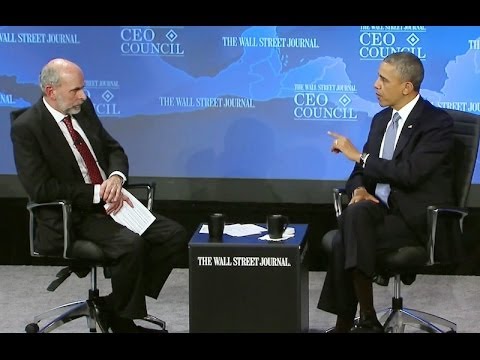
President Obama Speaks at the Wall Street Journal CEO Council Annual Meeting
0
Howard Chen posted on 2014/02/24Ever wondered how President Obama tackled big issues like the Affordable Care Act and economic recovery? This video dives into his insights from the Wall Street Journal CEO Council, offering you a fantastic chance to boost your vocabulary with terms related to business, policy, and negotiation. You'll gain cultural depth and practical workplace language while hearing solutions-focused discussions with business leaders!
Learn this video on the APP!
The VoiceTube App has more in-depth practice for videos!