
ability
US /əˈbɪlɪti/
UK /ə'bɪlətɪ/
- Noun (Countable/Uncountable)
- The power, resources or skill to do something
- A particular skill or talent.
A2TOEICMoreaccount of
US /əˈkaʊnt ʌv/
UK /əˈkaunt ɔv/
- Noun
- A spoken or written description of an event.
- Preposition
- Because of; for the reason of.
B1Moreacquire
US /əˈkwaɪr/
UK /ə'kwaɪə(r)/
- Transitive Verb
- To get or earn something by thinking or working
- To develop or learn a skill, habit, or quality.
A2TOEICMoreadmit
US /ædˈmɪt/
UK /əd'mɪt/
- Transitive Verb
- To acknowledge that something is true or right
- To allow someone to enter
A2TOEICMoreagitate
US /ˈædʒɪˌtet/
UK /'ædʒɪteɪt/
- Transitive Verb
- To disturb or excite emotionally
- To shake something to mix the contents
B2Morealert
US /əˈlɚt/
UK /ə'lɜ:t/
- Adjective
- Being aware and able to respond quickly
- Transitive Verb
- To warn someone so they can respond to it
B1TOEICMoreassume
US /əˈsum/
UK /ə'sju:m/
- Transitive Verb
- To act in a false manner to mislead others
- To believe, based on the evidence; suppose
A2TOEICMoreattractive
US /əˈtræktɪv/
UK /əˈtræktɪv/
- Adjective
- Making you like them, as by being good-looking
- Offering advantages or benefits; tempting.
A2Moreawkward
US /ˈɔkwəd/
UK /ˈɔ:kwəd/
- Adjective
- Lacking smooth movement
- Causing embarrassment or trouble
B1Morebehind the scenes
US
UK
- Phrase
- Secretly or without being known to the public.
- In a position to influence events without any public knowledge.
A1Morecandidate
US /ˈkændɪˌdet, -dɪt/
UK /ˈkændɪdət/
- Noun (Countable/Uncountable)
- Politician who is running for public office
B1Morecharacter
US /ˈkærəktɚ/
UK /'kærəktə(r)/
- Noun
- Person in a story, movie or play
- Writing symbols, e.g. alphabet or Chinese writing
A2Moreconfession
US /kənˈfɛʃən/
UK /kənˈfeʃn/
- Noun
- Admission you have done something wrong
- A statement acknowledging something, often something embarrassing or damaging.
B1Morecontrary
US /ˈkɑnˌtrɛri/
UK /'kɒntrərɪ/
- Adjective
- (Of weather) difficult; likely to cause trouble
- Going against authority, a parent, or the rules
- Adverb
- In opposition to.
B1Morecope
US /koʊp/
UK /kəʊp/
- Verb (Transitive/Intransitive)
- To deal with something in spite of difficulties
A2Moredice
US /daɪs/
UK /daɪs/
- Transitive Verb
- To cut food or other things into small pieces
- Noun (plural)
- Cubes with dots numbering 1-6 on used in games
B2Moredraw up
US /drɔ ʌp/
UK /drɔ: ʌp/
- Phrasal Verb
- To create a formal document
- To stand straight to make yourself look taller
A1Moreenthusiastic
US /ɛnˌθuziˈæstɪk/
UK /ɪnˌθju:ziˈæstɪk/
- Adjective
- Excited and interested in something
- Showing active interest and support.
B1TOEICMorefacilitate
US /fəˈsɪlɪˌtet/
UK /fə'sɪlɪteɪt/
- Transitive Verb
- To make an action or process easier
B1TOEICMoreflatter
US /ˈflætɚ/
UK /'flætə(r)/
- Transitive Verb
- To praise in a rather false way, to get something
B2Morefragility
US /frə'dʒɪlətɪ/
UK /frə'dʒɪlətɪ/
- Uncountable Noun
- Lack of strength; easily broken or harmed
B2Morefrustrating
US /frʌˈstretɪŋ/
UK /frʌˈstreɪtɪŋ/
- Transitive Verb
- To make annoyed because things don't go well
- To prevent (someone) from accomplishing something.
- Adjective
- Annoying because things don't go the way you want
- Serving to frustrate.
B1Moregenuinely
US /ˈdʒɛnjʊɪnlɪ/
UK /'dʒenjʊɪnlɪ/
- Adverb
- In a real, actual, not false or artificial way
- In a sincere and honest way.
A2Morehumiliation
US /hjuˌmɪliˈeʃən/
UK /hju:ˌmɪlɪ'eɪʃn/
- Uncountable Noun
- Loss of self-respect or status
B2Morein touch
US /ɪn tʌtʃ/
UK /in tʌtʃ/
- Adjective
- Having contact or communication with someone.
- Aware of or informed about something.
B1Morein ways
US
UK
- Phrase
- In a manner or by methods that.
- In certain respects or aspects.
A1Moreobvious
US /ˈɑbviəs/
UK /ˈɒbviəs/
- Adjective
- Easily understood and clear; plain to see
- Easy to see or notice.
A2TOEICMoreon the contrary
US
UK
- Phrase
- In contrast; from the opposite standpoint
B1Moreon to
US /ɑn tu/
UK /ɔn tu:/
- Preposition
- Toward something; forward
- Aware of someone's activities.
- Adjective
- Aware of someone's deception or illegal activities.
A1Morepanic
US /ˈpænɪk/
UK /'pænɪk/
- Uncountable Noun
- Overwhelming feeling of fear and anxiety
- Intransitive Verb
- To feel sudden anxiety and fear and cannot think
B1Morepause
US /pɔz/
UK /pɔ:z/
- Verb (Transitive/Intransitive)
- To stop doing for a while before continuing
- To temporarily interrupt the execution of a program or process.
- Noun (Countable/Uncountable)
- A temporary break before continuing
- Function on a device to stop and restart it
A2Moreperspective
US /pɚˈspɛktɪv/
UK /pə'spektɪv/
- Noun (Countable/Uncountable)
- Artistic method of creating a sense of distance
- Ability to understand what is important in life
B1TOEICMorepiece together
US /pis təˈɡɛðɚ/
UK /pi:s təˈɡeðə/
- Transitive Verb
- To assemble or put together from fragments or parts.
- Phrasal Verb
- To assemble or construct something from individual parts or pieces.
- To try to understand something by considering all the separate facts or pieces of information that you have.
A1Morepin down
US /pɪn daʊn/
UK /pin daun/
- Phrasal Verb
- To force someone to clarify their opinion
- To discover the exact details about something
- Transitive Verb
- To force someone to make a decision or give a clear answer.
A2Morepotential
US /pəˈtɛnʃəl/
UK /pəˈtenʃl/
- Adjective
- Capable of happening or becoming reality
- Having or showing the capacity to develop into something in the future.
- Uncountable Noun
- someone's or something's ability to develop, achieve, or succeed
A2TOEICMorepotentially
US /pəˈtɛnʃəlɪ/
UK /pə'tenʃəlɪ/
- Adverb
- That could happen or become reality
B1Moreproper
US /ˈprɑpɚ/
UK /'prɒpə(r)/
- Adjective
- Correct according to social or moral rules
- Behaving in a polite and socially acceptable way.
A2TOEICMoreradically
US /ˈrædɪkl:ɪ/
UK /'rædɪklɪ/
- Adverb
- Completely or extremely
B1Morerage
US /reɪdʒ/
UK /reɪdʒ/
- Uncountable Noun
- Strong or violent anger
- Intransitive Verb
- To act or speak with strong or violent anger
- To move violently, like a storm
B1Morerobust
US /roˈbʌst, ˈroˌbʌst/
UK /rəʊˈbʌst/
- Adjective
- Having physical vigor or energetic good health
B2TOEICMorespur
US /spɚ/
UK /spɜ:(r)/
- Transitive Verb
- To make your horse go faster
- To make someone want to do something
- Noun
- Rock that sticks out from the side of a mountain
- Something that makes a person act
B2Moretend
US /tɛnd/
UK /tend/
- Intransitive Verb
- To move or act in a certain manner
- Transitive Verb
- To take care of
A2Moretricky
US /ˈtrɪki/
UK /'trɪkɪ/
- Adjective
- Difficult, so needing skill to do or deal with
- Likely to use tricks; dishonest or deceptive
A2Moreunderestimate
US /ˌʌndɚˈɛstəmet/
UK /ˌʌndər'estɪmeɪt/
- Transitive Verb
- To make too low a guess of something's size, value
B2TOEICMoreutter
US /ˈʌtɚ/
UK /'ʌtə(r)/
- Transitive Verb
- To make a particular sound; speak
- Adjective
- Being complete or total
B2TOEICMorevulnerability
US /ˌvʌlnərə'bɪlətɪ/
UK /ˌvʌlnərə'bɪlətɪ/
- Uncountable Noun
- Being weak and able to be easily hurt or damaged
- A weakness or flaw that makes something susceptible to harm or damage.
B1Moreweird
US /wɪrd/
UK /wɪəd/
- Adjective
- Odd or unusual; surprising; strange
- Eerily strange or disturbing.
B1Moreworth
US /wɚθ/
UK /wɜ:θ/
- Noun (Countable/Uncountable)
- the financial, practical or moral value of somebody/something
- having a particular value, especially in money
- Adjective
- Having a specified value.
A2More
Vocabulary
- on to: Toward something; forward
- draw up: To create a formal document
- on the contrary: In contrast; from the opposite standpoint
- behind the scenes: Secretly or without being known to the public.
- pin down: To force someone to clarify their opinion
- piece together: To assemble or put together from fragments or parts.
- account of: A spoken or written description of an event.
- in ways: In a manner or by methods that.
- in touch: Having contact or communication with someone.
- awkward: Lacking smooth movement
- perspective: Artistic method of creating a sense of distance
- weird: Odd or unusual; surprising; strange
- sort: To organize things by putting them into groups
- potential: Capable of happening or becoming reality
- assume: To act in a false manner to mislead others
- obvious: Easily understood and clear; plain to see
- genuinely: In a real, actual, not false or artificial way
- vulnerability: Being weak and able to be easily hurt or damaged
- panic: Overwhelming feeling of fear and anxiety
- matter: To be of great importance; to count
- potentially: That could happen or become reality
- tricky: Difficult, so needing skill to do or deal with
- tend: To move or act in a certain manner
- character: Person in a story, movie or play
- acquire: To get or earn something by thinking or working
- treat: To pay for the food or enjoyment of someone else
- enthusiastic: Excited and interested in something
- proper: Correct according to social or moral rules
- admit: To acknowledge that something is true or right
- ability: The power, resources or skill to do something
- underestimate: To make too low a guess of something's size, value
- cope: To deal with something in spite of difficulties
- alert: Being aware and able to respond quickly
- frustrating: To make annoyed because things don't go well
- worth: the financial, practical or moral value of somebody/something
- rage: Strong or violent anger
- draw: To attract attention to someone or something
- brain: To strike someone forcefully on the head
- robust: Having physical vigor or energetic good health
- attractive: Making you like them, as by being good-looking
- explain: To make clear or easy to understand by describing
- contrary: (Of weather) difficult; likely to cause trouble
- candidate: Politician who is running for public office
- confession: Admission you have done something wrong
- account: An advantage
- pause: To stop doing for a while before continuing
- facilitate: To make an action or process easier
- radically: Completely or extremely
- utter: To make a particular sound; speak
- humiliation: Loss of self-respect or status
- offer: Price you say you are willing to pay for something
- order: Religious or social group, as of nuns
- continue: To do something without stopping, or after pausing
- simple: Not hard to understand or do; not complex
- piece: A counter in a board game
- build: Your physical shape; physique
- flatter: To praise in a rather false way, to get something
- spur: To make your horse go faster
- find: To become aware of something that is happening
- difficult: Hard; not easy; you need to work hard to do it
- agitate: To disturb or excite emotionally
- fragility: Lack of strength; easily broken or harmed
- dice: To cut food or other things into small pieces
Get the full experience in the app
Learn anywhere with detailed sentence and usage analysis
01:03
She took a brave step forward, leaving behind her comfort zone to chase her dreams.
Vocabulary
- brave
adj. Having courage
- comfort zone
phr. A familiar situation where one feels safe
Explanation
a brave step is a noun phrase, where brave is an adjective modifying the noun step, meaning "a courageous step".
forward is an adverb modifying step, meaning "ahead".
The whole phrase serves as the object, answering the "what" of took (verb) — she took a brave step forward.
Get the full experience in the app
Look up words anytime with pronunciation, part of speech, and usage
brave
US/brev/
UK/breɪv/
adj.Brave
v.t.To bravely face
A2 Elementary
Get the full experience in the app
Practice speaking anytime and get instant pronunciation feedback
Try this speaking exercise.
Try practicing with this sentence.
80
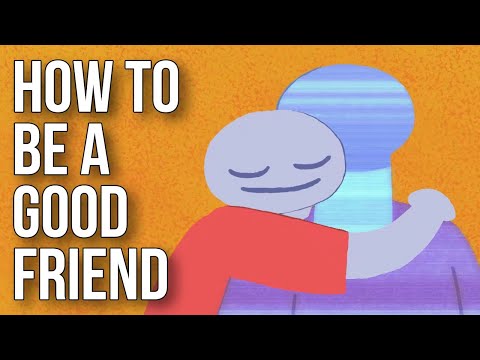
How to Be a Good Friend
0
林宜悉 posted on 2020/03/25Ever wonder what makes a truly great friend? This video dives deep into the qualities of ideal friendship, exploring vulnerability and emotional support to help you understand yourself and others better. You'll pick up some advanced vocabulary and practical conversation starters that are perfect for strengthening your connections!
Learn this video on the APP!
The VoiceTube App has more in-depth practice for videos!