tonality
US /toʊˈnæləti/
・UK /təʊˈnæləti/
A1
n.NounDescribing languages that vary in pitch
I couldn't hear the tonality in that language
Video subtitles
Speak English Fluently - How To Answer The Phone

- If I look at my facial expression and I'm not smiling, chances are my tonality is too serious.
If I look at my facial expression and I'm not smiling, chances are my tonality is too serious.
- chances are my tonality is too serious.
chances are my tonality is too serious.
Get Fluent With 1 Trick - Become A Confident English Speaker With This Simple Practice Trick

- You like the way they speak, you like their tonality.
You like the way they speak, you like their tonality.
- You like their tonality.
You like their tonality.
Tell Me Lies | Official Podcast Episode 2 | Hulu

- I think, you know, part of it is kind of staying true to the character's tonality,
I think, you know, part of it is kind of staying true to the character's tonality,
- Has your approach changed, like, with season three and how you do everything for season three, I think, you know, part of it is kind of staying true to the character's tonality, but
Has your approach changed, like, with season three and how you do everything for season three, I think, you know, part of it is kind of staying true to the character's tonality, but
Kissing on the First Date: To Kiss or Not to Kiss?
- T is for tonality.
T is for tonality.
- before you can pursue a kiss. T is for tonality. Does the tone of their voice
before you can pursue a kiss. T is for tonality. Does the tone of their voice
Impressionism - OpenBUCS
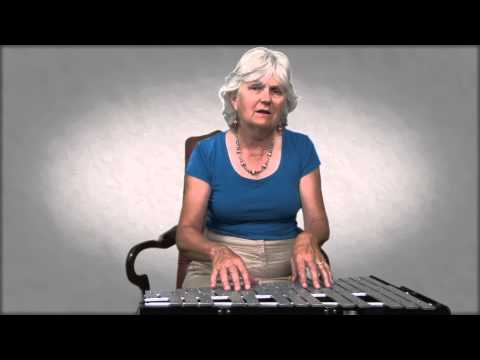
- So if you're used to hearing major minor tonality and all of a sudden you have this scale that doesn't have the half steps and whole steps where you expect them, then you have different directions that you can go and the composer can create more ambiguity that way.
So if you're used to hearing major minor tonality and all of a sudden you have this scale that doesn't have the half steps and whole steps where you expect them, then you have different directions that you can go and the composer can create more ambiguity that way.
- into those different modes. So if you're used to hearing major minor tonality
into those different modes. So if you're used to hearing major minor tonality
The 5 Vocal Foundations of Great Communication | Vinh Giang on UNSTOPPABLE

- The fourth one is tonality.
The fourth one is tonality.
- And tonality is the emotion that lives underneath your words.
And tonality is the emotion that lives underneath your words.
Secret To Getting Better At Talking To People
- example things like their body language, facial expressions, tonality, speed of
example things like their body language, facial expressions, tonality, speed of
- For example, things like their body language, facial expressions, tonality, speed of talking, proximity, eye contact, etc...
For example, things like their body language, facial expressions, tonality, speed of talking, proximity, eye contact, etc...
Steve Jobs Leadership Skills Breakdown - How To Motivate People

- tonality, and in your word choices. So, if you want to have the conviction around something
tonality, and in your word choices. So, if you want to have the conviction around something
- This is communicated in 1,000 micro-expressions, in your vocal tonality, and in your word choice.
This is communicated in 1,000 micro-expressions, in your vocal tonality, and in your word choice.
Sing like you mean it! - the Linguistics of Tonal Languages

- languages can sound as bad as putting a /k/ where it doesn't belong. This makes tonality
languages can sound as bad as putting a /k/ where it doesn't belong. This makes tonality
- This makes tonality a notoriously difficult feature to pick up for people coming from a non-tonal language like English.
This makes tonality a notoriously difficult feature to pick up for people coming from a non-tonal language like English.
How To Learn Anything 10x Faster

- And within that first week, it's eye contact, tonality. Each day has just one thing that
And within that first week, it's eye contact, tonality. Each day has just one thing that
- And then within that first week, it's eye contact tonality.
And then within that first week, it's eye contact tonality.