throw off
US /θro ɔf/
・UK /θrəu ɔf/
A1
phr. v.Phrasal VerbTo put out (heat, smell etc.); emit
This heater can throw off enough heat for a large room
phr. v.Phrasal VerbTo escape from something or someone
When you want to leave, throw off your sheet and go
phr. v.Phrasal VerbTo mislead or distract so they won't see the truth
They throw off the dogs by walking in the river
phr. v.Phrasal VerbTo quickly remove clothing or something similar.
He threw off his coat as he entered the warm house.
Video subtitles
Capitalism and Socialism: Crash Course World History #33
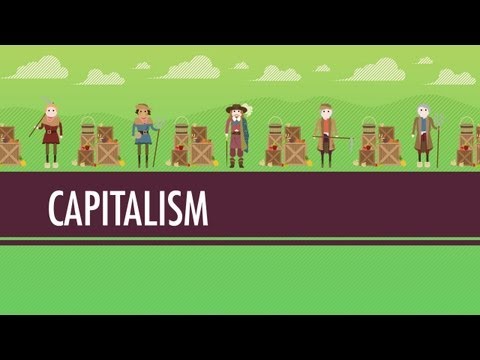
- and he believed that workers could never, on their own, overcome their superstitions and their prejudices in order to throw off bourgeois oppression.
and he believed that workers could never, on their own, overcome their superstitions and their prejudices in order to throw off bourgeois oppression.
- throw off bourgeois oppression. [interesting]
throw off bourgeois oppression. [interesting]
How To Fix Back Pain (7 Science Backed Steps)

- Make sure to keep your pelvis level, as rotating your hips will throw off the results of the test.
Make sure to keep your pelvis level, as rotating your hips will throw off the results of the test.
- Make sure to keep your pelvis level, as rotating your hips will throw off the results of the test.
Make sure to keep your pelvis level, as rotating your hips will throw off the results of the test.
Strange Case of Dr Jekyll and Mr Hyde by Robert Louis Stevenson | Full Audiobook

- melted, to brighten in colour, to effervesce audibly, and to throw off small fumes of vapour.
melted, to brighten in colour, to effervesce audibly, and to throw off small fumes of vapour.
- and to throw off small fumes of vapour.
and to throw off small fumes of vapour.
Richard Dawkins - The Genius of Charles Darwin - Part 3: God Strikes Back [+Subs]
![Richard Dawkins - The Genius of Charles Darwin - Part 3: God Strikes Back [+Subs]](https://img.youtube.com/vi/6M-6itXK2XI/hqdefault.jpg)
- He wrote that it would become as difficult for them to throw off their belief in God as for a monkey to throw off its instinctive fear and hatred of a snake.
He wrote that it would become as difficult for them to throw off their belief in God as for a monkey to throw off its instinctive fear and hatred of a snake.
- "as difficult for them to throw off their belief in God
"as difficult for them to throw off their belief in God
本物のように感じることができる義肢。バイオニック医療の実態と導入 | WIRED Japan
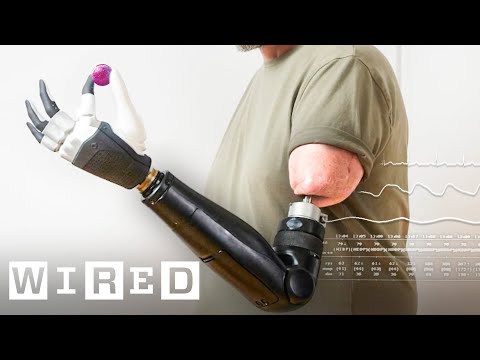
- Even just moving your arm around can throw off a conventional sensor.
Even just moving your arm around can throw off a conventional sensor.
- Even just moving your arm around can throw off a conventional sensor.
Even just moving your arm around can throw off a conventional sensor.
HISTORY OF IDEAS - Manners

- Rousseau now contrasts favourably with modern mannered people. Rousseau tells us that people living in what he calls the state of nature were, in his eyes, far superior to educated and mannered Parisians. Their manners may have been simple, but they were honest and forthright, without the sins of what he now terms the over-civilised. Rousseau retells the story of civilisation as one of loss and decline, from a primordial state of fresh-faced curiosity, honesty and enthusiasm, to barbarous over-politeness, fakery and deceit. He describes the elaborate French court at Versailles as less civilised than an early human cave. Readers across Europe are astonished, and not a little impressed, by this impudence. For hundreds of years, moralists have been arguing that our natural selves are wild, harmful, over-sexual and dangerous, and that we must learn to tame them for the sake of others. Now Rousseau suggests the diametrical opposite. Civilisation has gone too far, it's our mannered selves that have become the problem, and the task of a properly evolved civilisation is to throw off the chains of manners, to relax us, strip off the etiquette and return to primitive frankness. Rousseau's point continues to echo down to our own times. It is his voice we can hear whenever someone sticks up for the simpler life, and suggests we dress less formally, eat dinner more casually and more readily say whatever is passing through our minds. New York, United States, 1827. A French aristocrat, Alexis de Tocqueville, is on a tour of the young United States in an effort to understand the spirit of a new kind of society, a democracy. He is immediately struck by American manners, or lack thereof. In Europe, reflects de Tocqueville, manners have been codified to emphasise hierarchical differences between people. Ordinary people defer to aristocrats, aristocrats to royalty, and so on. But in the United States, everything is done so as to suggest that there are no differences between people. No one takes off their hat to anyone, a postman can casually greet a judge, a mule driver can strike up cheerful banter with a wealthy merchant, and one cannot tell by someone's clothes whether they might be living in a mansion or a hut. Expressions like how you doing and hi are heard everywhere across the new republic. It could be charming, but the aristocratic de Tocqueville wryly notes a problem. These casual manners do not do away with class and wealth differences. They merely sentimentally disguise them. The manners of old Europe have been accused of being cruel in their stress on hierarchy.
Rousseau now contrasts favourably with modern mannered people. Rousseau tells us that people living in what he calls the state of nature were, in his eyes, far superior to educated and mannered Parisians. Their manners may have been simple, but they were honest and forthright, without the sins of what he now terms the over-civilised. Rousseau retells the story of civilisation as one of loss and decline, from a primordial state of fresh-faced curiosity, honesty and enthusiasm, to barbarous over-politeness, fakery and deceit. He describes the elaborate French court at Versailles as less civilised than an early human cave. Readers across Europe are astonished, and not a little impressed, by this impudence. For hundreds of years, moralists have been arguing that our natural selves are wild, harmful, over-sexual and dangerous, and that we must learn to tame them for the sake of others. Now Rousseau suggests the diametrical opposite. Civilisation has gone too far, it's our mannered selves that have become the problem, and the task of a properly evolved civilisation is to throw off the chains of manners, to relax us, strip off the etiquette and return to primitive frankness. Rousseau's point continues to echo down to our own times. It is his voice we can hear whenever someone sticks up for the simpler life, and suggests we dress less formally, eat dinner more casually and more readily say whatever is passing through our minds. New York, United States, 1827. A French aristocrat, Alexis de Tocqueville, is on a tour of the young United States in an effort to understand the spirit of a new kind of society, a democracy. He is immediately struck by American manners, or lack thereof. In Europe, reflects de Tocqueville, manners have been codified to emphasise hierarchical differences between people. Ordinary people defer to aristocrats, aristocrats to royalty, and so on. But in the United States, everything is done so as to suggest that there are no differences between people. No one takes off their hat to anyone, a postman can casually greet a judge, a mule driver can strike up cheerful banter with a wealthy merchant, and one cannot tell by someone's clothes whether they might be living in a mansion or a hut. Expressions like how you doing and hi are heard everywhere across the new republic. It could be charming, but the aristocratic de Tocqueville wryly notes a problem. These casual manners do not do away with class and wealth differences. They merely sentimentally disguise them. The manners of old Europe have been accused of being cruel in their stress on hierarchy.
- and the task of a properly evolved civilisation is to throw off the chains of manners, to relax us, strip off the etiquette,
and the task of a properly evolved civilisation is to throw off the chains of manners, to relax us, strip off the etiquette,
Inside a Creative Sydney Couple’s Small Home, Public Library and Shop, 60sqm/646sqft

- The architect Adele has thought about every single inch or centimeter of his house so thoughtfully that, yeah, I think any major changes would just throw off the whole balance of what she's designed.
The architect Adele has thought about every single inch or centimeter of his house so thoughtfully that, yeah, I think any major changes would just throw off the whole balance of what she's designed.
- The architect Adele has thought about every single inch or centimetre of this house so thoughtfully that, yeah, I think any major changes would just throw off the whole balance of what she's designed.
The architect Adele has thought about every single inch or centimetre of this house so thoughtfully that, yeah, I think any major changes would just throw off the whole balance of what she's designed.
Tokyo Vacation Travel Guide | Expedia

- Here, millions come each year to pay their respects to Emperor Meiji, the beloved 19th-century ruler who helped Japan throw off its feudal cloak and grow into the dynamic country it is today.
Here, millions come each year to pay their respects to Emperor Meiji, the beloved 19th-century ruler who helped Japan throw off its feudal cloak and grow into the dynamic country it is today.
- the beloved 19th century ruler who helped Japan throw off its feudal cloak
the beloved 19th century ruler who helped Japan throw off its feudal cloak
Job Interview Tips & Techniques: How to Prepare for a First Impression

- It could sometimes throw off the interviewer.
It could sometimes throw off the interviewer.
- It could sometimes throw off the interviewer.
It could sometimes throw off the interviewer.
Tokyo City Video Guide | Expedia

- Here, millions come each year to pay their respects to Emperor Meiji, the beloved 19th-century ruler who helped Japan throw off its feudal cloak and grow into the dynamic country it is today.
Here, millions come each year to pay their respects to Emperor Meiji, the beloved 19th-century ruler who helped Japan throw off its feudal cloak and grow into the dynamic country it is today.
- the beloved 19th century ruler who helped Japan throw off its feudal cloak
the beloved 19th century ruler who helped Japan throw off its feudal cloak