superlative
US /sʊˈpə:lətɪv/
・UK /suˈpɜ:lətɪv/
C2
adj.AdjectiveHighest in quality or excellence
The superlative of pretty is prettiest
Video subtitles
The Lengths We Go To Avoid Love
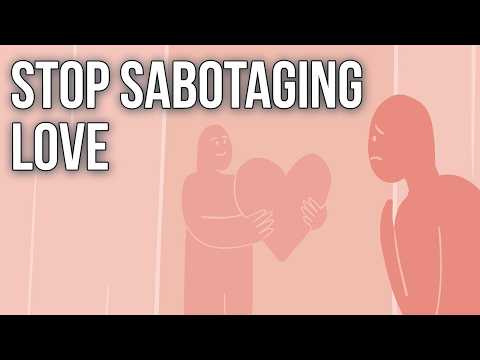
- If we find ourselves in a relationship, we will assiduously practice the arts of what psychologists call distance management. When the chance of reaching a truly happy state appears, we'll subtly discover ways to introduce a chasm. We'll have an argument, spoil a birthday, ruin a holiday. We'll find we have to do a lot of work for an upcoming exam or presentation, that our gang of friends needs us to be somewhere else, that we forgot to return the credit card or tax bill, that our appearance requires a lot of our attention or that we like to flirt with a stranger at a party who suddenly seems very attractive indeed. In both tiny and large ways, we'll know just how to lower the mood, scupper a bond and destroy trust. Perhaps not enough to end a relationship completely, but certainly enough to worry our partner sufficiently as to our solidity that we can be privately sure things will never truly fly. Friends may commiserate with us on our so-called bad luck. Psychologists will note our superlative skill at romantic sabotage. With this to sound a bit like us, compassion is required. We should reflect back on our pasts and wonder at the connection between our fractured bonds with parental figures and our disrupted adult attachments. We aren't like this because we're wicked, we've just been very badly hurt. Once we understand how our skill at independence was acquired, we'll be in a better position to see that it has in reality outlived its rationale. We may still feel immensely apprehensive at the prospect of contentment, but we may finally be able to admit that we are, first and foremost, acting out of fear. Rather than dismissing our partners, we may stick closer to a much more awkward truth – that we're tempted to draw away from them because we're immensely scared that they might finally be in a position to make us very happy – and that simply nothing so unutterably and boundlessly frightening has ever happened to us before.
If we find ourselves in a relationship, we will assiduously practice the arts of what psychologists call distance management. When the chance of reaching a truly happy state appears, we'll subtly discover ways to introduce a chasm. We'll have an argument, spoil a birthday, ruin a holiday. We'll find we have to do a lot of work for an upcoming exam or presentation, that our gang of friends needs us to be somewhere else, that we forgot to return the credit card or tax bill, that our appearance requires a lot of our attention or that we like to flirt with a stranger at a party who suddenly seems very attractive indeed. In both tiny and large ways, we'll know just how to lower the mood, scupper a bond and destroy trust. Perhaps not enough to end a relationship completely, but certainly enough to worry our partner sufficiently as to our solidity that we can be privately sure things will never truly fly. Friends may commiserate with us on our so-called bad luck. Psychologists will note our superlative skill at romantic sabotage. With this to sound a bit like us, compassion is required. We should reflect back on our pasts and wonder at the connection between our fractured bonds with parental figures and our disrupted adult attachments. We aren't like this because we're wicked, we've just been very badly hurt. Once we understand how our skill at independence was acquired, we'll be in a better position to see that it has in reality outlived its rationale. We may still feel immensely apprehensive at the prospect of contentment, but we may finally be able to admit that we are, first and foremost, acting out of fear. Rather than dismissing our partners, we may stick closer to a much more awkward truth – that we're tempted to draw away from them because we're immensely scared that they might finally be in a position to make us very happy – and that simply nothing so unutterably and boundlessly frightening has ever happened to us before.
- Psychologists will note our superlative skill at romantic sabotage.
Psychologists will note our superlative skill at romantic sabotage.
Let's Read Nietzsche's Beyond Good and Evil CC ASMR First Article

- The demand for "freedom of the will," in that metaphysical superlative sense in which it still rules the minds of the half-learned,
The demand for "freedom of the will," in that metaphysical superlative sense in which it still rules the minds of the half-learned,
- The demand for freedom of the will in that metaphysical superlative sense in which it still rules the minds of the half-learned.
The demand for freedom of the will in that metaphysical superlative sense in which it still rules the minds of the half-learned.
Trump Calls MTG “Marjorie Traitor Greene” Amidst Epstein Files Fallout | The Tonight Show

- Tonight show superlative.
Tonight show superlative.
Getting Around Atlanta International Airport (ATL) - Complete Airport Guide and Tour

- For airport lovers, ATL has yet another unsurprising superlative.
For airport lovers, ATL has yet another unsurprising superlative.
- For airport lovers, ATL has yet another unsurprising superlative.
For airport lovers, ATL has yet another unsurprising superlative.
IELTS Writing Task 1: How to describe BAR GRAPHS
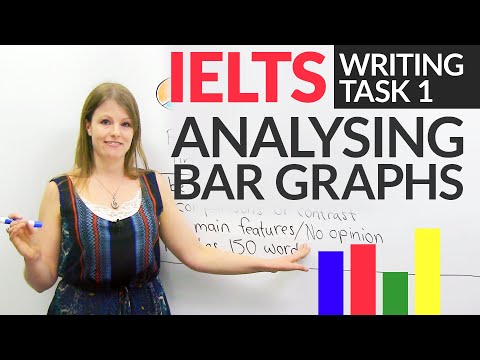
- Um So, one thing you you should know is how to uh make superlative sentences and comparative sentences.
Um So, one thing you you should know is how to uh make superlative sentences and comparative sentences.
- You'd use the superlative.
You'd use the superlative.
superlatives

- ‘Largest’ is a superlative adjective.
‘Largest’ is a superlative adjective.
- Largest is a superlative adjective.
Largest is a superlative adjective.
The Business of English - Episode 6: What are the options?

- Did you hear the superlative adjectives used to compare more than two things.
Did you hear the superlative adjectives used to compare more than two things.
- Did you hear the superlative adjectives used to compare more than two things?
Did you hear the superlative adjectives used to compare more than two things?
M1911.

- Its superlative performance led to its official adoption in 1911—as the M1911.
Its superlative performance led to its official adoption in 1911—as the M1911.
- Its superlative performance led to its official adoption in 1911 - as the M1911.
Its superlative performance led to its official adoption in 1911 - as the M1911.
Rental Family | Trailer | Hulu

- Rental Family is the perfect feel good movie with a superlative performance by Brendan Fraser.
Rental Family is the perfect feel good movie with a superlative performance by Brendan Fraser.
- Rental Family is the perfect feel-good movie with a superlative performance by Brendan Fraser.
Rental Family is the perfect feel-good movie with a superlative performance by Brendan Fraser.
The Complete Guide to ADJECTIVES in English
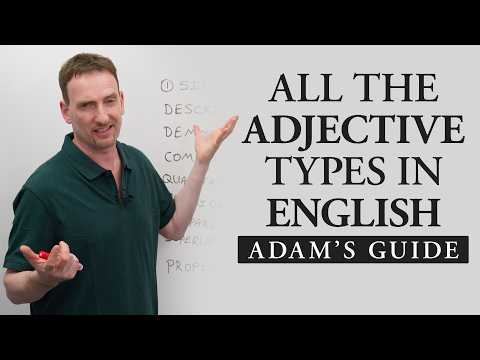
- And we can also have comparative and superlative phrases, which I'll show you later.
And we can also have comparative and superlative phrases, which I'll show you later.
- And we can also have comparative and superlative phrases, which I'll show you later.
And we can also have comparative and superlative phrases, which I'll show you later.