stakeholder
US /ˈsteɪkhoʊldə(r)/
・UK /ˈsteɪkhəʊldə(r)/
C2
n. (c.)Countable NounSomeone who holds a financial share of a business
Online communities, consisting of businesses, their customers, competitors and other stakeholders, talk to one another online through things like blogs
Video subtitles
Why Zelenskyy reversed course on anti-corruption reform | DW News
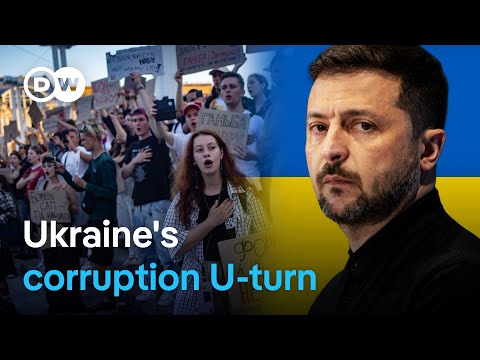
- They were made through multi-stakeholder processes that would involve international experts, civil society, and so on.
They were made through multi-stakeholder processes that would involve international experts, civil society, and so on.
- They were made through kind of multi-stakeholder processes that would involve international experts, civil society, and so on.
They were made through kind of multi-stakeholder processes that would involve international experts, civil society, and so on.
副總統蕭美琴罕見現身歐洲議會演說 國際挺台來到新高度/蕭美琴IPAC峰會演說 中駐歐盟使團氣炸喊「強烈憤慨、堅決反對」/感謝YT頻道「新聞硬邦邦」授權使用畫面|20251108|
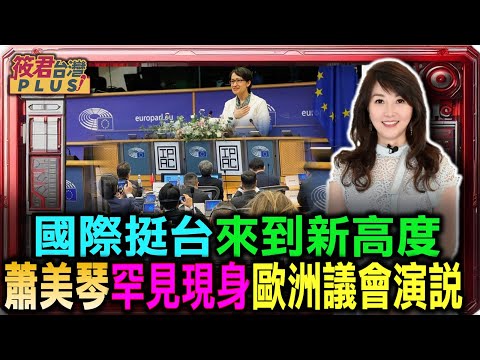
- Back in the 1980s, a Dutch company called Philips was a major founding stakeholder of Taiwan's flagship chipmaker called TSMC.
Back in the 1980s, a Dutch company called Philips was a major founding stakeholder of Taiwan's flagship chipmaker called TSMC.
- Back in the 1980s, a Dutch company called Philips was a major founding stakeholder of Taiwan's flagship chip maker, called tsmc.
Back in the 1980s, a Dutch company called Philips was a major founding stakeholder of Taiwan's flagship chip maker, called tsmc.
Death By China 2012 (with subtitles)
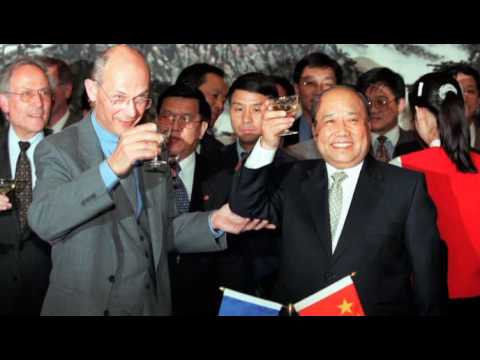
- Corporations used to think they had a stakeholder theory.
Corporations used to think they had a stakeholder theory.
- CORPORATIONS USED TO THINK THEY HAD A STAKEHOLDER THEORY.
CORPORATIONS USED TO THINK THEY HAD A STAKEHOLDER THEORY.
Podcast Outtake: Netflix vs. Skydance - The Battle for Warner Bros. Explained
- I mean, the reality is, I hate to say it, losers do historically tend actually to be the stakeholder known as employees, uh, because you don't need two groups of lawyers.
I mean, the reality is, I hate to say it, losers do historically tend actually to be the stakeholder known as employees, uh, because you don't need two groups of lawyers.
- I mean, the reality is, I hate to say it, losers do historically tend actually to be the stakeholder known as employees.
I mean, the reality is, I hate to say it, losers do historically tend actually to be the stakeholder known as employees.
My NYC Business Brings In $800K/Month
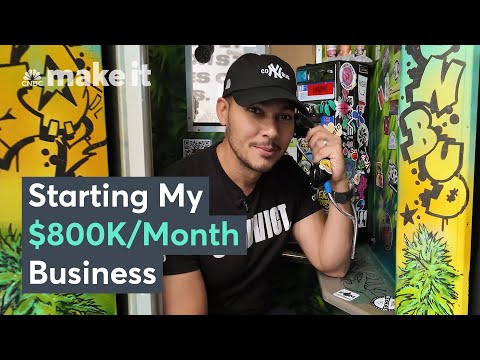
- And then we have a small minority stakeholder that has about 4% right now.
And then we have a small minority stakeholder that has about 4% right now.
- And then we have a small minority stakeholder that has about 4% right now.
And then we have a small minority stakeholder that has about 4% right now.
1 Additional Year to Become a Doctor 😨 (What This Means for YOU)

- The review committee looked at what a successful EM curriculum should be based on required experiences, stakeholder feedback, and areas for growth in the specialty.
The review committee looked at what a successful EM curriculum should be based on required experiences, stakeholder feedback, and areas for growth in the specialty.
- The review committee looked at what a successful EM curriculum should be based on required experiences, stakeholder feedback, and
The review committee looked at what a successful EM curriculum should be based on required experiences, stakeholder feedback, and
Walter Isaacson: "The Innovators" | Talks at Google
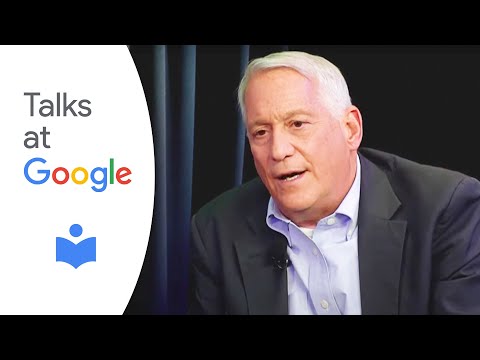
- And this notion of multi-stakeholder models, where all the parties who have a stake in something participate in the development, whether it's the technical development or development of policy, infuses all of this internet environment.
And this notion of multi-stakeholder models, where all the parties who have a stake in something participate in the development, whether it's the technical development or development of policy, infuses all of this internet environment.
- and this notion of multi-stakeholder models,
and this notion of multi-stakeholder models,
蕭美琴副總統 IPAC 布魯塞爾年會演講完整版致詞|Taiwan: A Trusted Partner in a Volatile World
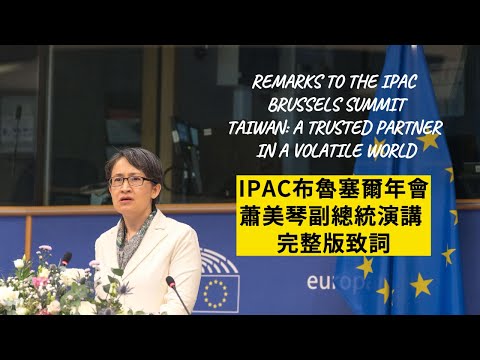
- Back in the 1980s, a Dutch company called Philips was a major founding stakeholder of Taiwan's flagship chip maker called TSMC.
Back in the 1980s, a Dutch company called Philips was a major founding stakeholder of Taiwan's flagship chip maker called TSMC.
- Back in the 1980s, a Dutch company called Philips was a major founding stakeholder of Taiwan's flagship chip maker, called tsmc.
Back in the 1980s, a Dutch company called Philips was a major founding stakeholder of Taiwan's flagship chip maker, called tsmc.
Thousands feared killed: What options are left for Iran's protesters | DW News
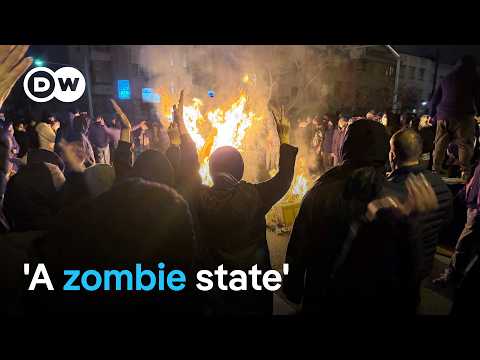
- le that lacks one of the fundamental players, if not the key stakeholder, which, which is the Iranian regime, which has the power and the weapons.
le that lacks one of the fundamental players, if not the key stakeholder, which, which is the Iranian regime, which has the power and the weapons.
- that lacks one of the fundamental players, if not the key stakeholder, which is the Iranian regime, which has the power and the weapons.
that lacks one of the fundamental players, if not the key stakeholder, which is the Iranian regime, which has the power and the weapons.
Managerial decision making and conflict
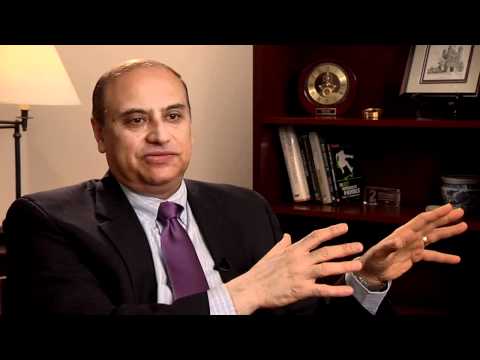
- What the research found that I think was surprising in terms of how important this factor is, is that a lot of managerial decision-making is intended to reduce the incidence of disagreement, that they're really making decisions that they believe will generate less rather than more controversy, where the likelihood that a decision may not be endorsed by a major stakeholder group is relatively low.
What the research found that I think was surprising in terms of how important this factor is, is that a lot of managerial decision-making is intended to reduce the incidence of disagreement, that they're really making decisions that they believe will generate less rather than more controversy, where the likelihood that a decision may not be endorsed by a major stakeholder group is relatively low.
- by a major stakeholder group
by a major stakeholder group