Search words & phrases
scarce,
US
・UK
C1
othercommon.pos-map.undefined(especially of food, money, or some other resource) insufficient for the demand.
as raw materials became scarce, synthetics were developed
adv.AdverbScarcely.
a babe scarce two years old
Video subtitles
Bill Gates meets Aamir Khan

- out through processing plants, that's very expensive and uses water which is a scarce
out through processing plants, that's very expensive and uses water which is a scarce
New Drama News Show: DRAMA SCOOPS! (Pewdiepie, pewdiepie, pewdiepie)

- Keem is quitting (Praise Odin for that), and Scarce is..
Keem is quitting (Praise Odin for that), and Scarce is..
- Scarce *laughs*
Scarce *laughs*
Casually Explained: Bitcoin

- The obvious follow up is why does gold have value, which then usually devolves into because it's scarce and because people have valued it since the dawn of humanity.
The obvious follow up is why does gold have value, which then usually devolves into because it's scarce and because people have valued it since the dawn of humanity.
Top 30 Biggest Tech Product FAILS of All Time

- Software for the Apple III was also scarce, and the computer got dismissal reviews right out of the gate.
Software for the Apple III was also scarce, and the computer got dismissal reviews right out of the gate.
Why Taiwan's East Coast Is Basically Empty
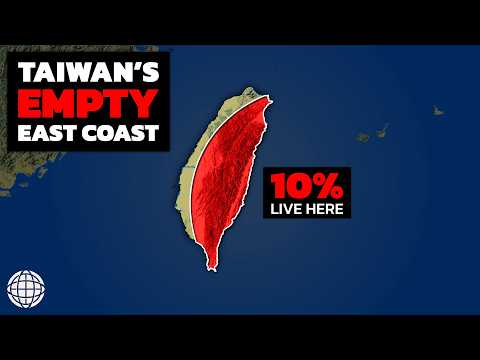
- Flatland is scarce roads and railways must navigate rugged terrain and much of the area remains covered in dense Vegetation or protected national parks such as Kenting and Taroko But while Taiwan is very mountainous overall the western part consists of broad plains and rolling hills that provide ample space for cities infrastructure and perhaps most importantly Agriculture and more to that point the relatively flat land in the West allows for efficient transportation networks the construction of industrial hubs and the expansion of urban centers such as Taipei Taichung and Kaohsiung for example in 1999 Taiwan began construction of its first and only High-speed rail line linking the country's capital at Taipei with its large southern city, Kaohsiung Taiwan's high-speed rail which can travel up to 300 kilometers per hour can only really be built in flatter areas as Such nearly all of Taiwan's west coast is connected to its high-speed rail network Its east coast though It would be very challenging to make it work there due to the mountainous topography This kind of infrastructure keeps the country's population and industry focused on Taiwan's west coast, but it's not all about Infrastructure Taiwan is very prone to natural disasters But while it's a small island not all of Taiwan suffers these disasters in the same way frequent earthquakes and typhoons disproportionately impact the central and eastern regions You see the island sits at the boundary between the Philippine sea plate and the Eurasian plate making it highly seismically active In fact most of Taiwan's east coast between the cities of Taitung and Hualien Sits on the Chishang Fault a very active fault line that creates a large earthquake every few years in 2024 a magnitude 7.4 earthquake ripped through Hualien causing extensive damage and loss of life for the city and region While Taiwan's western cities can feel these same earthquakes They're rarely subjected to the full force in the same way as the country's east coast But also Taiwan's east coast routinely suffers from another devastating natural disaster large and powerful typhoons that form over the Pacific Ocean in 2024 alone Taiwan was hit by three powerful typhoons Typhoon Kong Ray the largest typhoon to hit Taiwan since 1996 sustained winds of up to 185 kilometers per hour this storm slammed into the country's east coast causing Extensive damage during a period of time when Taiwan was still trying to rebuild after its recent earthquake And while the whole country was under a typhoon warning It's the country's east coast that took the brunt of it suffice it to say natural disasters Don't make living in eastern Taiwan easy, but there are other economic factors at play as well One of the biggest factors is Taiwan's economic relationship with mainland China the west coast facing the Taiwan Strait is Strategically positioned to facilitate trade and transportation links with China Which remains Taiwan's largest trading partner with more than 40% of Taiwan's goods exported to its cousin country Major ports such as Kaohsiung Taichung and Keelung handle the vast majority of Taiwan's international trade Serving as gateways for goods moving between Taiwan and the global market this proximity has influenced Taiwan's economic development With industries clustering in areas that provide easy access to shipping routes and international markets the eastern coast in Contrast faces the wide open Pacific Ocean making trade and transportation routes less convenient This proximity to the mainland is reflected throughout history early Chinese settlers who arrived in increasing numbers during the Ming and Qing Dynasties primarily landed on the western side of the island the West's flatter terrain and fertile plains allowed for agriculture While the indigenous populations in the central and eastern mountains resisted large-scale settlement Even during the Japanese colonial era when major infrastructure projects such as railways and roads were developed the emphasis remained on the west coast due to its economic potential and Accessibility while the Taiwanese government has made efforts to develop the east including improved transportation networks such as the Sihua highway And the Eastern Line Railway the region remains far less populated than the West Hualien and Taitung the largest cities in eastern Taiwan are small compared to their western counterparts and function more as regional centers than major urban hubs Today Taiwan's west coast is home to about 90% of all of Taiwan's population Or a little more than 21 million people this would be led by New Taipei with 4 million people Kaohsiung with 2.8 million Taichung and Taipei with 2.7 million Taiwan with 2.1 million and Tainan with 1.8 million people by contrast Central and eastern Taiwan is home to just 2.5 million people smaller than most of Taiwan's west coast cities This region would be led by Hualien and Taitung with just 106,000 people each Guys, I'm literally walking through Hualien as I record this and let me tell you The eastern side of Taiwan is Incredibly beautiful, which is to say if you ever do visit Taiwan Don't skip out on coming to the east coast because the geography here is stunning But if you don't plan on visiting Taiwan anytime soon, and you do want to experience it Be sure to check out the two videos I have on Taiwan over on my travel channel Alex and I first go down the west coast and then back up the east coast and it's a lot of fun I hope you enjoyed learning all about Taiwan If you did, please like the video and subscribe to the channel if you want to watch more videos consider this one on Columbia's empty West Coast and Be sure to check out my adventures in Taiwan right here.
Flatland is scarce roads and railways must navigate rugged terrain and much of the area remains covered in dense Vegetation or protected national parks such as Kenting and Taroko But while Taiwan is very mountainous overall the western part consists of broad plains and rolling hills that provide ample space for cities infrastructure and perhaps most importantly Agriculture and more to that point the relatively flat land in the West allows for efficient transportation networks the construction of industrial hubs and the expansion of urban centers such as Taipei Taichung and Kaohsiung for example in 1999 Taiwan began construction of its first and only High-speed rail line linking the country's capital at Taipei with its large southern city, Kaohsiung Taiwan's high-speed rail which can travel up to 300 kilometers per hour can only really be built in flatter areas as Such nearly all of Taiwan's west coast is connected to its high-speed rail network Its east coast though It would be very challenging to make it work there due to the mountainous topography This kind of infrastructure keeps the country's population and industry focused on Taiwan's west coast, but it's not all about Infrastructure Taiwan is very prone to natural disasters But while it's a small island not all of Taiwan suffers these disasters in the same way frequent earthquakes and typhoons disproportionately impact the central and eastern regions You see the island sits at the boundary between the Philippine sea plate and the Eurasian plate making it highly seismically active In fact most of Taiwan's east coast between the cities of Taitung and Hualien Sits on the Chishang Fault a very active fault line that creates a large earthquake every few years in 2024 a magnitude 7.4 earthquake ripped through Hualien causing extensive damage and loss of life for the city and region While Taiwan's western cities can feel these same earthquakes They're rarely subjected to the full force in the same way as the country's east coast But also Taiwan's east coast routinely suffers from another devastating natural disaster large and powerful typhoons that form over the Pacific Ocean in 2024 alone Taiwan was hit by three powerful typhoons Typhoon Kong Ray the largest typhoon to hit Taiwan since 1996 sustained winds of up to 185 kilometers per hour this storm slammed into the country's east coast causing Extensive damage during a period of time when Taiwan was still trying to rebuild after its recent earthquake And while the whole country was under a typhoon warning It's the country's east coast that took the brunt of it suffice it to say natural disasters Don't make living in eastern Taiwan easy, but there are other economic factors at play as well One of the biggest factors is Taiwan's economic relationship with mainland China the west coast facing the Taiwan Strait is Strategically positioned to facilitate trade and transportation links with China Which remains Taiwan's largest trading partner with more than 40% of Taiwan's goods exported to its cousin country Major ports such as Kaohsiung Taichung and Keelung handle the vast majority of Taiwan's international trade Serving as gateways for goods moving between Taiwan and the global market this proximity has influenced Taiwan's economic development With industries clustering in areas that provide easy access to shipping routes and international markets the eastern coast in Contrast faces the wide open Pacific Ocean making trade and transportation routes less convenient This proximity to the mainland is reflected throughout history early Chinese settlers who arrived in increasing numbers during the Ming and Qing Dynasties primarily landed on the western side of the island the West's flatter terrain and fertile plains allowed for agriculture While the indigenous populations in the central and eastern mountains resisted large-scale settlement Even during the Japanese colonial era when major infrastructure projects such as railways and roads were developed the emphasis remained on the west coast due to its economic potential and Accessibility while the Taiwanese government has made efforts to develop the east including improved transportation networks such as the Sihua highway And the Eastern Line Railway the region remains far less populated than the West Hualien and Taitung the largest cities in eastern Taiwan are small compared to their western counterparts and function more as regional centers than major urban hubs Today Taiwan's west coast is home to about 90% of all of Taiwan's population Or a little more than 21 million people this would be led by New Taipei with 4 million people Kaohsiung with 2.8 million Taichung and Taipei with 2.7 million Taiwan with 2.1 million and Tainan with 1.8 million people by contrast Central and eastern Taiwan is home to just 2.5 million people smaller than most of Taiwan's west coast cities This region would be led by Hualien and Taitung with just 106,000 people each Guys, I'm literally walking through Hualien as I record this and let me tell you The eastern side of Taiwan is Incredibly beautiful, which is to say if you ever do visit Taiwan Don't skip out on coming to the east coast because the geography here is stunning But if you don't plan on visiting Taiwan anytime soon, and you do want to experience it Be sure to check out the two videos I have on Taiwan over on my travel channel Alex and I first go down the west coast and then back up the east coast and it's a lot of fun I hope you enjoyed learning all about Taiwan If you did, please like the video and subscribe to the channel if you want to watch more videos consider this one on Columbia's empty West Coast and Be sure to check out my adventures in Taiwan right here.
⏩ The Metaverse: 7 Technologies That Will Make It A Reality

- With Web 1.0, content creators were scarce with the vast majority of users simply acting as consumers of content.
With Web 1.0, content creators were scarce with the vast majority of users simply acting as consumers of content.
What's new in ArduinoJson 7

- Fixed memory allocation is perfect when resources are scarce but requires more discipline from the programmer. During the past five years, we attended to the rise of 32-bit microcontrollers, first with the ESP8266, then with the ESP32 and all the ARM-based MCUs. 32-bit microcontrollers have much more memory but also a bigger runtime framework, so Arduino JSON now represents a small fraction of the executable. If we compare the parser example on the two versions of the Arduino Uno, we see that Arduino JSON 7 makes up about two-thirds of the executable on R3 but only 7% on R4. Because the proportion is much smaller, the difference between Arduino JSON 6 and 7 is neglectable on 32-bit microcontrollers. For example, on Arduino Uno R4 minima, the parser example only grew by 2.3% and the generator example by 1.7%. As you can see, the size of the library is not so important anymore. Arduino JSON 7 can run on 8-bit microcontrollers but if the memory is tight, it's probably better if you stick with version 6.
Fixed memory allocation is perfect when resources are scarce but requires more discipline from the programmer. During the past five years, we attended to the rise of 32-bit microcontrollers, first with the ESP8266, then with the ESP32 and all the ARM-based MCUs. 32-bit microcontrollers have much more memory but also a bigger runtime framework, so Arduino JSON now represents a small fraction of the executable. If we compare the parser example on the two versions of the Arduino Uno, we see that Arduino JSON 7 makes up about two-thirds of the executable on R3 but only 7% on R4. Because the proportion is much smaller, the difference between Arduino JSON 6 and 7 is neglectable on 32-bit microcontrollers. For example, on Arduino Uno R4 minima, the parser example only grew by 2.3% and the generator example by 1.7%. As you can see, the size of the library is not so important anymore. Arduino JSON 7 can run on 8-bit microcontrollers but if the memory is tight, it's probably better if you stick with version 6.
Donald Trump and Taiwan's Defense |TaiwanPlus News
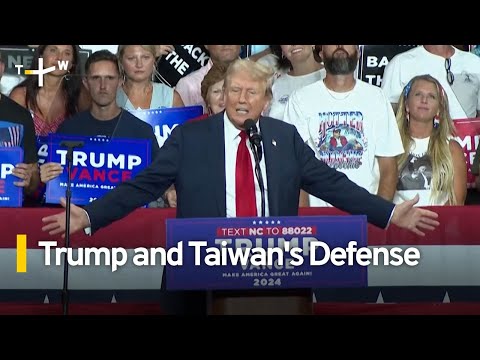
- If you're going to prioritize China, particularly from a military perspective, given scarce resources, it suggests you're going to have to do less of something elsewhere, and that becomes a hang-up.
If you're going to prioritize China, particularly from a military perspective, given scarce resources, it suggests you're going to have to do less of something elsewhere, and that becomes a hang-up.
Why Americans love big cars

- They are everywhere, even in my parking-scarce neighborhood in Brooklyn.
They are everywhere, even in my parking-scarce neighborhood in Brooklyn.
Why are some countries banning surrogacy? - The Global Story podcast, BBC World Service
- But while the demand for surrogacy and the possibilities it provides to people to have their own families has grown, the opportunities are actually still scarce.
But while the demand for surrogacy and the possibilities it provides to people to have their own families has grown, the opportunities are actually still scarce.