saturdays
US
・UK
A1
n. pl.Noun (plural)Sixth day of each week; the day after Friday
On Saturdays, Tim always takes Tina to the movies
Video subtitles
Get Fit Or Die Trying

- I go hiking on Saturdays.
I go hiking on Saturdays.
- I go hiking on Saturdays.
I go hiking on Saturdays.
Watch This If You "Have A Crush"

- Morning Brew is a free daily newsletter that arrives in your email inbox from Mondays to Saturdays.
Morning Brew is a free daily newsletter that arrives in your email inbox from Mondays to Saturdays.
- Morning Brew is a free, daily newsletter that arrives in your email inbox from Mondays to Saturdays.
Morning Brew is a free, daily newsletter that arrives in your email inbox from Mondays to Saturdays.
A Christmas Carol by Charles Dickens Full Audiobook with Subtitles and Chapters

- He pocketed on Saturdays but fifteen copies of his Christian name, and
He pocketed on Saturdays but fifteen copies of his Christian name, and
- Think of that! Bob had but fifteen “Bob” a-week himself; he pocketed on Saturdays but fifteen
Think of that! Bob had but fifteen “Bob” a-week himself; he pocketed on Saturdays but fifteen
Why Slovenia Is The BEST Vacation Spot You've Never Heard Of

- Saturdays and Sundays when the market is alive.
Saturdays and Sundays when the market is alive.
"Do you feel more Japanese or American?" | Interview PART 2

- Yeah, I went to Japanese school on Saturdays.
Yeah, I went to Japanese school on Saturdays.
- I went to, uh, Japanese school on Saturdays.
I went to, uh, Japanese school on Saturdays.
A Christmas Carol by Charles Dickens Audiobook with subtitles and a warm fire. Read by Greg Wagland.

- He pocketed on Saturdays but fifteen copies of his Christian name, and
He pocketed on Saturdays but fifteen copies of his Christian name, and
- Saturdays but fifteen copies of his Christian name; and yet the Ghost of
Saturdays but fifteen copies of his Christian name; and yet the Ghost of
Part 1 - The Adventures of Tom Sawyer Audiobook by Mark Twain (Chs 01-10)

- It's mighty hard to make him work Saturdays when all the boys is having holiday,
It's mighty hard to make him work Saturdays when all the boys is having holiday,
- It's mighty hard to make him work Saturdays, when all the boys is having
It's mighty hard to make him work Saturdays, when all the boys is having
Official "Tell the World" Feature Film

- I hear there's a young woman having visions in Maine and a sea captain holding prayer meetings on Saturdays.
I hear there's a young woman having visions in Maine and a sea captain holding prayer meetings on Saturdays.
- Saturdays?
Saturdays?
Have to vs. Need to vs. Must - What's the difference in English?
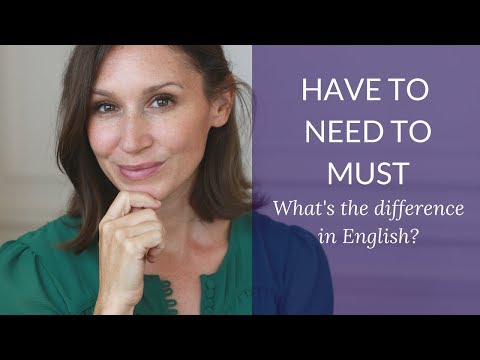
- don't have to get up early on Saturdays or I'm so glad I don't need to get up
don't have to get up early on Saturdays or I'm so glad I don't need to get up
- early on Saturdays. In those sentences I'm saying that it's my choice. There's
early on Saturdays. In those sentences I'm saying that it's my choice. There's
Speak English for Beginners and Practice Speaking English to Become More Fluent!

- "I make my bed every morning." "I have a shower in the morning." "I get dressed after I wake up." "I have breakfast after my shower." "I read the news from the newspaper during breakfast." "I listen to the radio during breakfast." "I go to school at 8 o'clock." "I go to work at 8 o'clock." "I wait for the bus at 8: 15." "I take a taxi at 8: 15." "I work all day in an office." "I study my English in the library." "I do the cleaning in my house on Saturdays." "I do the washing on Saturdays." "I have a break at 10: 30." "I go shopping on Sundays." "I do the cooking every evening." "I wash the dishes after dinner." "I phone people after dinner." In America, we say "call." "I call my friends after dinner." "I watch TV in the evenings." "I have a walk every day." "I surf the net every day." "I go to bed at 10 o'clock." So during the day, practice these phrasal verbs and vocabulary with "I," and now you can learn these words with "he" or "she." "He wakes up at 6 o'clock." "He gets up at 6: 15." "He makes his bed at 6: 30." "He has a shower at 6: 30." "He gets dressed at 6: 45." "He has breakfast at 7 o'clock." "He reads the news at 7: 15." "He listens to the radio during breakfast." "She goes to school at 8 o'clock." "He goes to work at 8 o'clock." "She waits for the bus at 8: 15." "He takes a taxi at 8: 15." "She works in an office." "She studies in the library." "She does the cleaning during the day." "She does the washing in the afternoon." And in America, we will say "wash." "She washes the clothes." "He has a break at 10: 30." "He goes shopping in the afternoon." "She does the cooking in the evening." Or in America, we say, "She cooks in the evening." "He washes the dishes after dinner." "He calls his friends after dinner." "He watches TV after dinner." "He has a walk in the evening." "She surfs the net every day." "She goes to bed at 10 o'clock." So practice these words during your day,
"I make my bed every morning." "I have a shower in the morning." "I get dressed after I wake up." "I have breakfast after my shower." "I read the news from the newspaper during breakfast." "I listen to the radio during breakfast." "I go to school at 8 o'clock." "I go to work at 8 o'clock." "I wait for the bus at 8: 15." "I take a taxi at 8: 15." "I work all day in an office." "I study my English in the library." "I do the cleaning in my house on Saturdays." "I do the washing on Saturdays." "I have a break at 10: 30." "I go shopping on Sundays." "I do the cooking every evening." "I wash the dishes after dinner." "I phone people after dinner." In America, we say "call." "I call my friends after dinner." "I watch TV in the evenings." "I have a walk every day." "I surf the net every day." "I go to bed at 10 o'clock." So during the day, practice these phrasal verbs and vocabulary with "I," and now you can learn these words with "he" or "she." "He wakes up at 6 o'clock." "He gets up at 6: 15." "He makes his bed at 6: 30." "He has a shower at 6: 30." "He gets dressed at 6: 45." "He has breakfast at 7 o'clock." "He reads the news at 7: 15." "He listens to the radio during breakfast." "She goes to school at 8 o'clock." "He goes to work at 8 o'clock." "She waits for the bus at 8: 15." "He takes a taxi at 8: 15." "She works in an office." "She studies in the library." "She does the cleaning during the day." "She does the washing in the afternoon." And in America, we will say "wash." "She washes the clothes." "He has a break at 10: 30." "He goes shopping in the afternoon." "She does the cooking in the evening." Or in America, we say, "She cooks in the evening." "He washes the dishes after dinner." "He calls his friends after dinner." "He watches TV after dinner." "He has a walk in the evening." "She surfs the net every day." "She goes to bed at 10 o'clock." So practice these words during your day,
- on Saturdays
on Saturdays