recognized
US /'rekəɡnaɪzd/
・UK /'rekəɡnaɪzd/
A2
v.t.Transitive VerbTo accept the truth or reality of something
Fiona recognized that Phil was right and apologized.
v.t.Transitive VerbTo consider something as important or special
The audience recognized Kelly's ability to sing.
v.t.Transitive VerbTo accept the legal authority of someone, thing
Diane's new student recognized her efforts to help the class
v.t.Transitive VerbTo publicly show appreciation for someone's work
The school recognized George for his science research.
v.t.Transitive VerbTo remember because you have met it before
I recognized her but I could not remember her name.
v.t.Transitive VerbTo identify someone or something seen before.
He recognized the tune as soon as he heard it.
adj.AdjectiveGenerally accepted or respected.
He is a recognized expert in his field.
Video subtitles
#AskGaryVee Episode 72: Casey Neistat on Applying to College & How to Focus on Goals

- This is a filmmaker storyteller in the year that we actually live in, while a lot of his contemporaries and people of his talent have not recognized the world we actually live in.
This is a filmmaker storyteller in the year that we actually live in, while a lot of his contemporaries and people of his talent have not recognized the world we actually live in.
- and people of his talent
have not recognized
and people of his talent have not recognized
The Invisible Barrier Keeping Two Worlds Apart
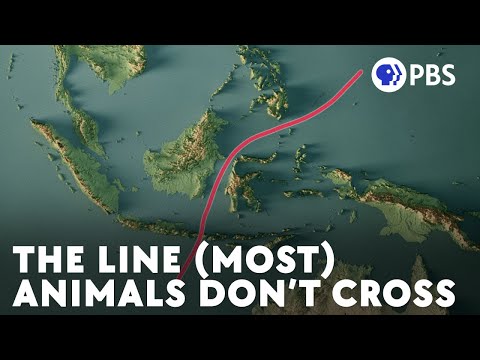
- He recognized that the geological past shapes the biological present.
He recognized that the geological past shapes the biological present.
- He recognized that the geological past shapes the biological present.
He recognized that the geological past shapes the biological present.
How Singapore Got So Crazy Rich

- other founding leaders recognized it had an economic problem: it had no natural resources.
other founding leaders recognized it had an economic problem: it had no natural resources.
- recognized it had an economic problem:
recognized it had an economic problem:
China's Xi Hosts Ex-Taiwan Leader Ma for Landmark Meeting
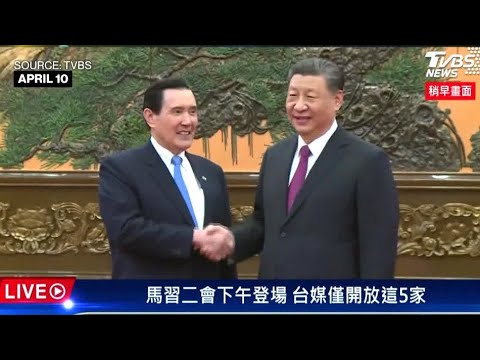
- So, look, Xi Jinping has been able since Ma Ying-jeou left office in 2016, he's been able to court ten nations that previously recognized Taiwan to Beijing, and that is significant.
So, look, Xi Jinping has been able since Ma Ying-jeou left office in 2016, he's been able to court ten nations that previously recognized Taiwan to Beijing, and that is significant.
- he's been able to court ten nations that previously recognized Taiwan to Beijing, and that is significant.
he's been able to court ten nations that previously recognized Taiwan to Beijing, and that is significant.
What The Heck Is Gluten?

- suffer major nutritional deficiencies. More recently, scientists have recognized another
suffer major nutritional deficiencies. More recently, scientists have recognized another
- suffer major nutritional deficiencies. More recently, scientists have recognized another
suffer major nutritional deficiencies. More recently, scientists have recognized another
Reef Life of the Andaman (full marine biology documentary)
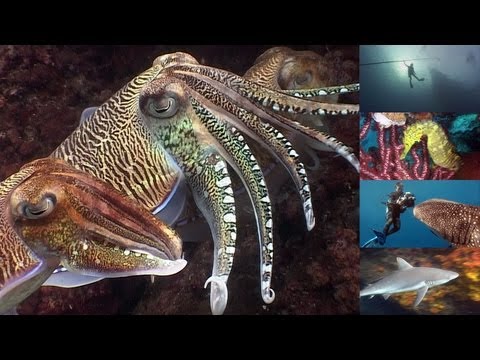
- if it is recognized or if it enters into a territorial dispute.
if it is recognized or if it enters into a territorial dispute.
- Cleaner wrasse operate out of recognized "cleaning stations":
Cleaner wrasse operate out of recognized "cleaning stations":
Casually Explained: Bitcoin

- He then passed out, not realizing the profundity of his own words, because everyone had recognized the hodler in themselves too.
He then passed out, not realizing the profundity of his own words, because everyone had recognized the hodler in themselves too.
- He then passed out, not realizing the profundity of his own words because everyone had recognized the hodler in themselves too.
He then passed out, not realizing the profundity of his own words because everyone had recognized the hodler in themselves too.
How the US created an ambulance crisis

- The service that's being provided is just as critical and crucial as police and fire, so it's time to be recognized for that and give us avenues of recruiting and training and funding that's going to allow us to address that EMS crisis.
The service that's being provided is just as critical and crucial as police and fire, so it's time to be recognized for that and give us avenues of recruiting and training and funding that's going to allow us to address that EMS crisis.
- So it's time to be recognized for that and give us avenues of recruiting and training and funding that's going to allow us to address that EMS crisis.
So it's time to be recognized for that and give us avenues of recruiting and training and funding that's going to allow us to address that EMS crisis.
Why Taiwan's East Coast Is Basically Empty
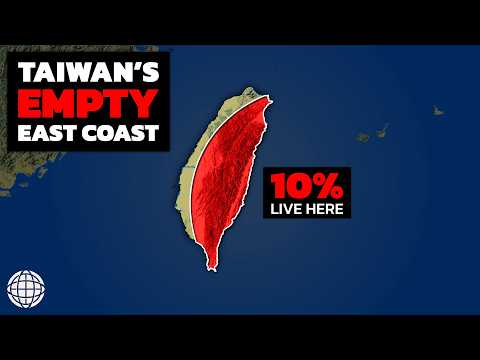
- It's not actually recognized as an independent state and this has a lot to do with how and why Taiwan was settled by China and One of the most important things to remember in this story is that the island has been home to indigenous peoples for thousands of years These people are not directly related to the Chinese In fact, they are Austronesian speaking groups who arrived along the same migration patterns as New Zealand, Polynesia Hawaii and Indonesia these indigenous groups developed distinct cultures and lived in scattered communities Primarily in the mountainous interior and along the coasts their presence remains a significant part of Taiwan's identity today Though they make up only about 2% of the population or about 600,000 people So in a way Taiwan is as much of a colonized country as many parts of the Western Hemisphere But let's get back to how modern Taiwan was established the earliest mentions of Taiwan interacting with China begin around the year 230 when military troops from the Eastern Wu Kingdom of China's Three kingdoms period landed on its shores though There is some debate on whether this was actually Taiwan that they landed on or not Various reports would include some mention of Taiwan albeit under different names for the next 1,400 years During the 1600s Taiwan became a contested territory the Dutch established a colony in the south the Spanish briefly held territory in the north and Chinese settlers mostly from Fujian province Gradually moved on to the island the Dutch were eventually expelled by Koxinga a Ming loyalist who used Taiwan as a base of resistance against the Qing Dynasty however his rule was short-lived as Qing forces took control of Taiwan in 1683 and Incorporated it into their Empire for over two centuries Taiwan remained under Qing rule though its position on the Empire's periphery meant it was often overlooked this changed in 1895 when the Qing were forced to cede Taiwan to Japan after their defeat in the first Sino-Japanese war the Japanese brought Modernization to the island building infrastructure railways and industry while also implementing strict colonial rule Though resistance existed Japan's influence reshaped Taiwan leaving a legacy that persists in aspects of its architecture education and economy after Japan's defeat in World War two Taiwan was handed back to China in 1945 and this proved to be very lucky for the Taiwan that exists today While remaining as a backwater through much of China's history Taiwan would eventually occupy a prominent place in the Chinese Civil War which had begun in the late 1920s The Nationalist Republic of China government under Chiang Kai-shek fought against the communist forces led by Mao Zedong despite initial advantages the Nationalists suffered a series of devastating defeats due to poor leadership corruption and dwindling public support by 1949 the communists had gained control of mainland China Forcing the Nationalist government to retreat to Taiwan Chiang Kai-shek and his followers established their base on the island bringing with them millions of refugees military forces and much of China's cultural and financial wealth at the time though the Nationalist government continued to claim sovereignty over all of China its control was Effectively limited to Taiwan and a few offshore islands It was during this period that saw much of the Western world namely the United States Canada and Western Europe aligned with Taiwan and recognized it as a country leaving mainland China as a global outsider however between 1950 and 1971 this recognition gradually eroded as Western countries sought to recognize mainland China as the sole China in order to establish trade with the much larger economic base and Because mainland China still claimed ownership of Taiwan it mandated that no country could recognize Taiwan as an independent country Despite the fact that it is independent for all intents and purposes This isolated Taiwan from global diplomacy, but not from global trade despite its diplomatic isolation Taiwan's economy surged in the late 1900s transforming from an agrarian society into a global industrial and technological powerhouse Democratic reforms began in the late 1980s culminating in the first direct presidential election in 1996 since then Taiwan has functioned as a democratic society distinct from mainland China Despite Beijing's continued claims over the island which leads us to today's population divide Hey, sorry for the interruption.
It's not actually recognized as an independent state and this has a lot to do with how and why Taiwan was settled by China and One of the most important things to remember in this story is that the island has been home to indigenous peoples for thousands of years These people are not directly related to the Chinese In fact, they are Austronesian speaking groups who arrived along the same migration patterns as New Zealand, Polynesia Hawaii and Indonesia these indigenous groups developed distinct cultures and lived in scattered communities Primarily in the mountainous interior and along the coasts their presence remains a significant part of Taiwan's identity today Though they make up only about 2% of the population or about 600,000 people So in a way Taiwan is as much of a colonized country as many parts of the Western Hemisphere But let's get back to how modern Taiwan was established the earliest mentions of Taiwan interacting with China begin around the year 230 when military troops from the Eastern Wu Kingdom of China's Three kingdoms period landed on its shores though There is some debate on whether this was actually Taiwan that they landed on or not Various reports would include some mention of Taiwan albeit under different names for the next 1,400 years During the 1600s Taiwan became a contested territory the Dutch established a colony in the south the Spanish briefly held territory in the north and Chinese settlers mostly from Fujian province Gradually moved on to the island the Dutch were eventually expelled by Koxinga a Ming loyalist who used Taiwan as a base of resistance against the Qing Dynasty however his rule was short-lived as Qing forces took control of Taiwan in 1683 and Incorporated it into their Empire for over two centuries Taiwan remained under Qing rule though its position on the Empire's periphery meant it was often overlooked this changed in 1895 when the Qing were forced to cede Taiwan to Japan after their defeat in the first Sino-Japanese war the Japanese brought Modernization to the island building infrastructure railways and industry while also implementing strict colonial rule Though resistance existed Japan's influence reshaped Taiwan leaving a legacy that persists in aspects of its architecture education and economy after Japan's defeat in World War two Taiwan was handed back to China in 1945 and this proved to be very lucky for the Taiwan that exists today While remaining as a backwater through much of China's history Taiwan would eventually occupy a prominent place in the Chinese Civil War which had begun in the late 1920s The Nationalist Republic of China government under Chiang Kai-shek fought against the communist forces led by Mao Zedong despite initial advantages the Nationalists suffered a series of devastating defeats due to poor leadership corruption and dwindling public support by 1949 the communists had gained control of mainland China Forcing the Nationalist government to retreat to Taiwan Chiang Kai-shek and his followers established their base on the island bringing with them millions of refugees military forces and much of China's cultural and financial wealth at the time though the Nationalist government continued to claim sovereignty over all of China its control was Effectively limited to Taiwan and a few offshore islands It was during this period that saw much of the Western world namely the United States Canada and Western Europe aligned with Taiwan and recognized it as a country leaving mainland China as a global outsider however between 1950 and 1971 this recognition gradually eroded as Western countries sought to recognize mainland China as the sole China in order to establish trade with the much larger economic base and Because mainland China still claimed ownership of Taiwan it mandated that no country could recognize Taiwan as an independent country Despite the fact that it is independent for all intents and purposes This isolated Taiwan from global diplomacy, but not from global trade despite its diplomatic isolation Taiwan's economy surged in the late 1900s transforming from an agrarian society into a global industrial and technological powerhouse Democratic reforms began in the late 1980s culminating in the first direct presidential election in 1996 since then Taiwan has functioned as a democratic society distinct from mainland China Despite Beijing's continued claims over the island which leads us to today's population divide Hey, sorry for the interruption.
- independent trade deals, it's not actually recognized as an independent state.
independent trade deals, it's not actually recognized as an independent state.
Why Steve Jobs Wore The Same Outfit Everyday

- Sony recognized the opportunity to create a uniform that would give the company a signature style, and a chance to foster camaraderie among workers who wouldn't have to feel embarrassed about not having any nice outfits to wear to work.
Sony recognized the opportunity to create a uniform that would give the company a signature style, and a chance to foster camaraderie among workers who wouldn't have to feel embarrassed about not having any nice outfits to wear to work.
- Sony recognized the opportunity to create a uniform that would give the company a signature style and a chance to foster camaraderie among workers, who wouldn't have to feel embarrassed about not having any nice outfits to wear to work.
Sony recognized the opportunity to create a uniform that would give the company a signature style and a chance to foster camaraderie among workers, who wouldn't have to feel embarrassed about not having any nice outfits to wear to work.