opinionated
US /əˈpɪnjəˌnetɪd/
・UK /əˈpɪnjəneɪtɪd/
B2
adj.AdjectiveStubborn in your opinions
The opinionated speaker would not listen to my questions
Video subtitles
Ariana Grande interview: Sam and Cat star talks dating tips, boybands, music and Miley Cyrus
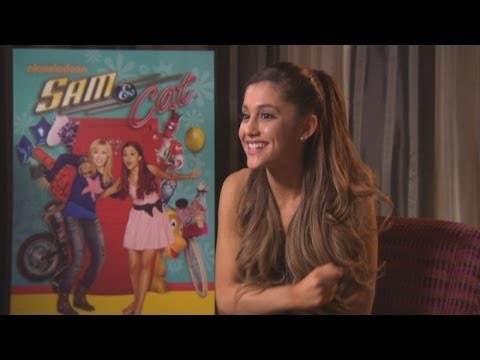
- No, I like how opinionated you are. Do you think it's really important for your fans,
No, I like how opinionated you are. Do you think it's really important for your fans,
- I love how, um, no, I like how opinionated you are.
I love how, um, no, I like how opinionated you are.
Top 10 Biggest Movie Bombs of 2025

- You know, I really don't remember you being this opinionated.
You know, I really don't remember you being this opinionated.
- You know, I really don't remember you being this opinionated.
You know, I really don't remember you being this opinionated.
Snow White And The 7 Other Classics Greedy Disney Milked To Death

- You know, I really don't remember you being this opinionated.
You know, I really don't remember you being this opinionated.
- opinionated.
opinionated.
REAL ENGLISH CONVERSATION (WITH SUBTITLES!): TALKING ABOUT SUMMER
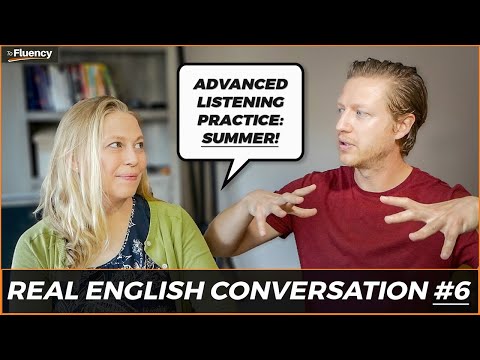
- So I feel like I'm very opinionated about the corn that we get.
So I feel like I'm very opinionated about the corn that we get.
- So I feel like I'm very opinionated about the corn that we get.
So I feel like I'm very opinionated about the corn that we get.
Ethan Hawke's Take on the Quentin Tarantino and Paul Dano Situation
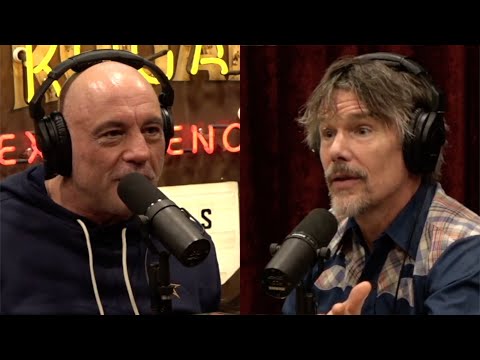
- I mean, we wouldn't be a good director if he wasn't opinionated.
I mean, we wouldn't be a good director if he wasn't opinionated.
- I mean, he wouldn't be a good director if he wasn't opinionated.
I mean, he wouldn't be a good director if he wasn't opinionated.
Learning a Foreign Language | STUFF YOU SHOULD KNOW
- He was, in addition to being a linguist, he was a very, very opinionated, very far-left-leaning cultural critic as well, who made some really great points.
He was, in addition to being a linguist, he was a very, very opinionated, very far-left-leaning cultural critic as well, who made some really great points.
- He was, in addition to being a linguist who's very, very opinionated, very far left leaning cultural critic as well, who made some really great points.
He was, in addition to being a linguist who's very, very opinionated, very far left leaning cultural critic as well, who made some really great points.
How to not care what people think

- - Yeah, but I think she's just straight-forward and opinionated.
- Yeah, but I think she's just straight-forward and opinionated.
- straight-forward and opinionated.
straight-forward and opinionated.
How to talk about an article in English

- So by watching today's lesson, I'll give you some phrases that you can build up and make some sentences where you can sound very informed and very opinionated and say all the right things in a business or academic context.
So by watching today's lesson, I'll give you some phrases that you can build up and make some sentences where you can sound very informed and very opinionated and say all the right things in a business or academic context.
- where you can sound very informed, and very opinionated, and say all the right things
where you can sound very informed, and very opinionated, and say all the right things
Slang in English: 'What the hell' and other HELL expressions

- You say, "Ah, no, I don't think he did that good of a job." Well, if you're very opinionated, like me, you might say, "Hell no." "Hell no." Which is a very strong way of saying no.
You say, "Ah, no, I don't think he did that good of a job." Well, if you're very opinionated, like me, you might say, "Hell no." "Hell no." Which is a very strong way of saying no.
- Well, if you're very opinionated like me,
Well, if you're very opinionated like me,
STEVE JOBS Reexamined
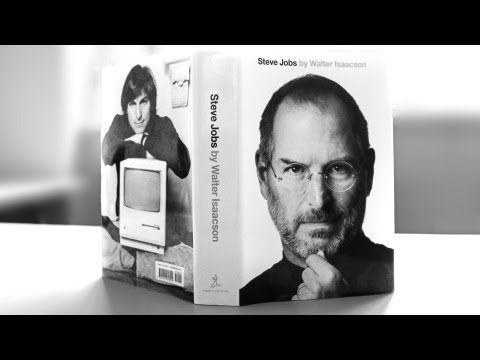
- For Steve to be a tastemaker, I think he had to be incredibly opinionated and judgmental,
For Steve to be a tastemaker, I think he had to be incredibly opinionated and judgmental,
- DOUG MENUEZ: For Steve to be a taste maker, I think he had to be incredibly opinionated
DOUG MENUEZ: For Steve to be a taste maker, I think he had to be incredibly opinionated