neurotransmitter
US /ˌnʊroˈtrænsmɪtɚ, -ˈtrænz-, ˌnjʊr-/
・UK /ˈnjʊərəʊtrænzmɪtə(r)/
A1
n.NounChemical released by nerves that boost signals within the body
There was a problem with a neurotransmitter in her body
Video subtitles
The Neuroscience of Breath: How to Use Breathing to Control Emotions

- On a neurochemical level this helps regulate stress hormones like cortisol and also increases GABA which is a neurotransmitter that promotes calmness.
On a neurochemical level this helps regulate stress hormones like cortisol and also increases GABA which is a neurotransmitter that promotes calmness.
- On a neurochemical level, this helps regulate stress hormones like cortisol and also increases GABA, which is a neurotransmitter that promotes calmness.
On a neurochemical level, this helps regulate stress hormones like cortisol and also increases GABA, which is a neurotransmitter that promotes calmness.
Can your genes make you violent? | BBC Ideas

- This is a neurotransmitter.
This is a neurotransmitter.
- This is a neurotransmitter, it sends signals between the cells in your brain, and affects your behavior.
This is a neurotransmitter, it sends signals between the cells in your brain, and affects your behavior.
The science of falling in love ⏲️ 6 Minute English
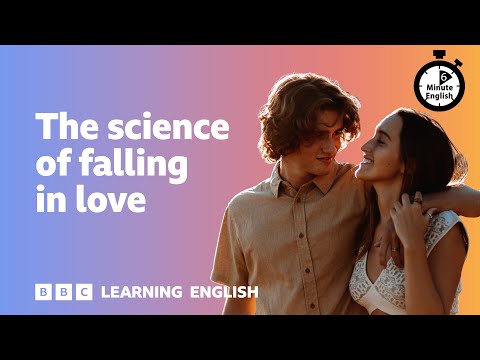
- The second aspect of romantic love is attraction, influenced by a neurotransmitter called dopamine.
The second aspect of romantic love is attraction, influenced by a neurotransmitter called dopamine.
- This is a feel-good substance released in our brain that is involved in driving us towards reward. Do something. Get a dopamine hit. Feel good. Eventually, dopamine will push us towards repeating that behaviour. This is why intense attraction feels like an addiction to another human being. Some people get stuck in that loop, always chasing the dopamine-soaked excitement of a new relationship. This time, the hormone responsible is dopamine, a neurotransmitter that rewards our attraction to someone with pleasurable feelings. That's why dopamine is called a feel-good substance. The adjective feel-good can be used to describe anything causing happy and optimistic feelings about life – things like feel-good films or feel-good music.
This is a feel-good substance released in our brain that is involved in driving us towards reward. Do something. Get a dopamine hit. Feel good. Eventually, dopamine will push us towards repeating that behaviour. This is why intense attraction feels like an addiction to another human being. Some people get stuck in that loop, always chasing the dopamine-soaked excitement of a new relationship. This time, the hormone responsible is dopamine, a neurotransmitter that rewards our attraction to someone with pleasurable feelings. That's why dopamine is called a feel-good substance. The adjective feel-good can be used to describe anything causing happy and optimistic feelings about life – things like feel-good films or feel-good music.
The fastest way to reduce stress (in seconds)

- And when you focus on slowly breathing, there's evidence it can even increase the activity of the neurotransmitter GABA in your brain, which further calms down nerves.
And when you focus on slowly breathing, there's evidence it can even increase the activity of the neurotransmitter GABA in your brain, which further calms down nerves.
- And when you focus on slowly breathing, there's evidence it can even increase the activity of the neurotransmitter GABA in your brain, which further calms down nerves.
And when you focus on slowly breathing, there's evidence it can even increase the activity of the neurotransmitter GABA in your brain, which further calms down nerves.
7 Common Things People with Trauma Do

- An article from the Lake Behavioral Hospital explains how people diagnosed with post-traumatic stress disorder, PTSD, have neurological changes which can affect metabolism, neurotransmitter levels, and neuron health, which can have more direct impact on your physical health.
An article from the Lake Behavioral Hospital explains how people diagnosed with post-traumatic stress disorder, PTSD, have neurological changes which can affect metabolism, neurotransmitter levels, and neuron health, which can have more direct impact on your physical health.
- An article from the Lake Behavioral Hospital explains how people diagnosed with post-traumatic stress disorder, PTSD, have neurological changes which can affect metabolism, neurotransmitter levels, and
An article from the Lake Behavioral Hospital explains how people diagnosed with post-traumatic stress disorder, PTSD, have neurological changes which can affect metabolism, neurotransmitter levels, and
What ketamine is doing to Elon Musk’s brain

- But most notably, for future widespread use of ketamine, it affects the N-methyldeaspartate receptors in your brain along with the neurotransmitter glutamate.
But most notably, for future widespread use of ketamine, it affects the N-methyldeaspartate receptors in your brain along with the neurotransmitter glutamate.
- But most notably, for future widespread use of ketamine, it affects the N-methyl-D-aspartate receptors in your brain along with the neurotransmitter glutamate.
But most notably, for future widespread use of ketamine, it affects the N-methyl-D-aspartate receptors in your brain along with the neurotransmitter glutamate.
精神科医だけど「メンタルヘルス」について質問ある? | Tech Support | WIRED Japan

- Glutamate is the excitatory neurotransmitter.
Glutamate is the excitatory neurotransmitter.
- Glutamate is the excitatory neurotransmitter.
Glutamate is the excitatory neurotransmitter.
What A Single Hug Does To Your Brain
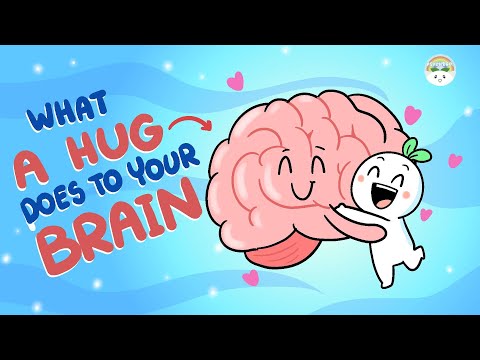
- Hugs trigger dopamine, the reward neurotransmitter, strengthening feelings of safety and belonging.
Hugs trigger dopamine, the reward neurotransmitter, strengthening feelings of safety and belonging.
- Hugs trigger dopamine, the reward neurotransmitter, strengthening feelings of safety and belonging.
Hugs trigger dopamine, the reward neurotransmitter, strengthening feelings of safety and belonging.
What Is Love?

- And finally, whilst you’re in the attraction stage, your levels of the serotonin neurotransmitter
And finally, whilst you’re in the attraction stage, your levels of the serotonin neurotransmitter
- And finally, whilst you're in the attraction stage, your levels of the serotonin neurotransmitter drop dramatically.
And finally, whilst you're in the attraction stage, your levels of the serotonin neurotransmitter drop dramatically.
Coffee PROTECTS Your Brain! Science Behind The World's Most POPULAR Drug
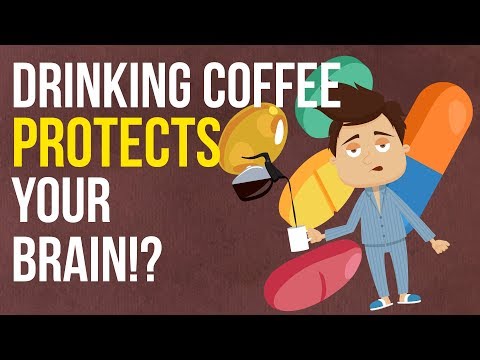
- Caffeine has a similar molecular structure to adenosine, which is a neurotransmitter
Caffeine has a similar molecular structure to adenosine, which is a neurotransmitter
- Caffeine has a similar molecular structure to adenosine, which is a neurotransmitter that blocks other excitatory neurotransmitters and makes us feel tired.
Caffeine has a similar molecular structure to adenosine, which is a neurotransmitter that blocks other excitatory neurotransmitters and makes us feel tired.