neurology
US /nʊˈrɑlədʒi, njʊ-/
・UK /njʊəˈrɒlədʒi/
A1
n. (u.)Uncountable Noun(Neurology) the branch of medicine that deals with the nervous system and its disorders
After the car accident, I had to see a neurologist
Video subtitles
5 Things To Say To Your Crush To Make Them Like You

- As Antonio Damasia, a professor of psychology and neurology put it,
As Antonio Damasia, a professor of psychology and neurology put it,
4 Types of Healthcare Data Analysts Should Know

- The ranking will often be based off of the collective performance of the various service lines that the hospital has like cardiology, neurology, surgery, nephrology, cancer care.
The ranking will often be based off of the collective performance of the various service lines that the hospital has like cardiology, neurology, surgery, nephrology, cancer care.
- The ranking will often be based off of the collective performance of the various service lines that the hospital has, like cardiology, neurology, surgery, nephrology, cancer care.
The ranking will often be based off of the collective performance of the various service lines that the hospital has, like cardiology, neurology, surgery, nephrology, cancer care.
Your Specialty Choice Is Probably Wrong (Here's Why)
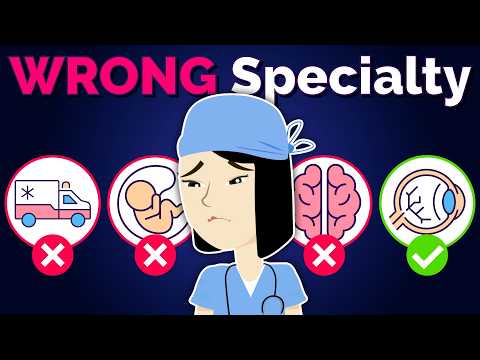
- First up, with the fifth highest switch rate, is child neurology at 68.7%.
First up, with the fifth highest switch rate, is child neurology at 68.7%.
- The specialties with the highest switch rates first up with the fifth highest switch rate is child neurology at 68.7%.
The specialties with the highest switch rates first up with the fifth highest switch rate is child neurology at 68.7%.
Every Medical Specialty Ranked by Competitiveness (2025)

- Neurology comes next with a score of 33.6 points.
Neurology comes next with a score of 33.6 points.
- Neurologists diagnose and treat disorders of the brain, spinal cord, and nervous system, With a match rate of 93.8%, an average Step 2 score of 250, and an average of 8.8 research items, neurology offers lower barriers to entry than many specialties.
Neurologists diagnose and treat disorders of the brain, spinal cord, and nervous system, With a match rate of 93.8%, an average Step 2 score of 250, and an average of 8.8 research items, neurology offers lower barriers to entry than many specialties.
My Favourite Productivity App for Students - Notion

- We'll go for neurology.
We'll go for neurology.
- We'll go for neurology.
We'll go for neurology.
Neurosurgeon vs Neurologist 💥 Career Battle (Training, Lifestyle, & Pay)
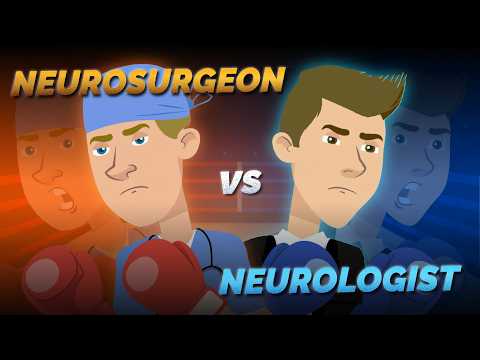
- Neurology residency lasts 4 years after medical school.
Neurology residency lasts 4 years after medical school.
- The remaining 3 years focus exclusively on neurology training, including both inpatient and outpatient rotations.
The remaining 3 years focus exclusively on neurology training, including both inpatient and outpatient rotations.
4 Years of Medical School Explained (2026 Guide)

- Every medical student must complete core rotations like internal medicine, family medicine, general surgery, psychiatry, neurology, pediatrics, and
Every medical student must complete core rotations like internal medicine, family medicine, general surgery, psychiatry, neurology, pediatrics, and
- Every medical student must complete core rotations like internal medicine, family medicine, general surgery, psychiatry, neurology, pediatrics, and
Every medical student must complete core rotations like internal medicine, family medicine, general surgery, psychiatry, neurology, pediatrics, and
Career Battle 💥 Neurologist vs Psychiatrist

- Let's break it down: what are the key differences between neurology and psychiatry?
Let's break it down: what are the key differences between neurology and psychiatry?
- between neurology and psychiatry?
between neurology and psychiatry?
Peter Joseph - Where are we now? - London 2009-07-25

- In the words of Professor of Biology and Neurology at Stanford University and a well-known anthropologist as well, Dr.
In the words of Professor of Biology and Neurology at Stanford University and a well-known anthropologist as well, Dr.
- In the words of professor of biology and neurology at Stanford University
In the words of professor of biology and neurology at Stanford University
Every Doctor Specialty Ranked by Burnout 🔥 (2025)
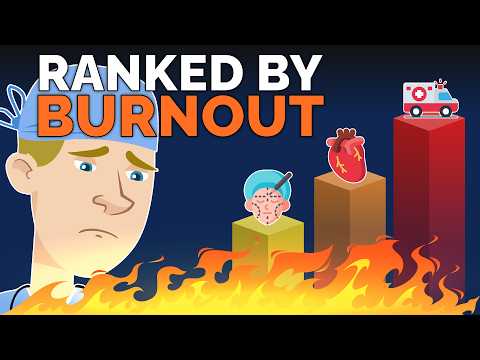
- Neurology also sits at 44%.
Neurology also sits at 44%.
- Neurology also sits at 44%.
Neurology also sits at 44%.