nanosecond
US /ˈnænəˌsɛkənd/
・UK /ˈnænəʊsekənd/
C2
n. (c.)Countable NounOne billionth of a second
In one nanosecond, light can travel 30cm
Video subtitles
Principles For Success by Ray Dalio (In 30 Minutes)

- And I realized that I was just one tiny bit in one nanosecond, deciding what I should do.
And I realized that I was just one tiny bit in one nanosecond, deciding what I should do.
- And I realized that I was just one tiny bit in one nanosecond deciding what I should do.
And I realized that I was just one tiny bit in one nanosecond deciding what I should do.
Learning a Foreign Language | STUFF YOU SHOULD KNOW

- They're the ones that set the pace and the rhythm for your brain waves from nanosecond to nanosecond.
They're the ones that set the pace and the rhythm for your brain waves from nanosecond to nanosecond.
- They're the ones that set the pace and the rhythm for your brain waves from nanosecond to nanosecond.
They're the ones that set the pace and the rhythm for your brain waves from nanosecond to nanosecond.
What is a quant trader?
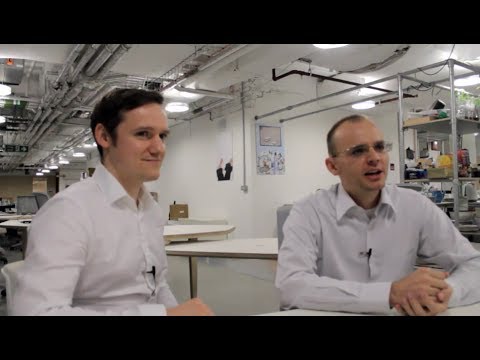
- But in the true quant sense, the ultra high frequency stuff will be kind of microsecond and even nanosecond kind of scale.
But in the true quant sense, the ultra high frequency stuff will be kind of microsecond and even nanosecond kind of scale.
- the ultra high-frequency stuff will be microsecond and even nanosecond
the ultra high-frequency stuff will be microsecond and even nanosecond
Should I Give It All Up And Go For My Dream?

- So I sat myself down and I said, "Marie, when you're 35, will you regret not having gone for this whole hip-hop thing?" And in a nanosecond, my answer was, "Hell, yes, I'll regret it." In that moment, all wishy-washyness went away.
So I sat myself down and I said, "Marie, when you're 35, will you regret not having gone for this whole hip-hop thing?" And in a nanosecond, my answer was, "Hell, yes, I'll regret it." In that moment, all wishy-washyness went away.
- hip-hop thing?” In a nanosecond, my answer was “hell yes, I’ll regret it.” In that
hip-hop thing?” In a nanosecond, my answer was “hell yes, I’ll regret it.” In that
The Untold Story of C++

- In finance, every nanosecond counts.
In finance, every nanosecond counts.
- Every nanosecond counts.
Every nanosecond counts.
Interconnect Options for Ethernet Scale Up Networks
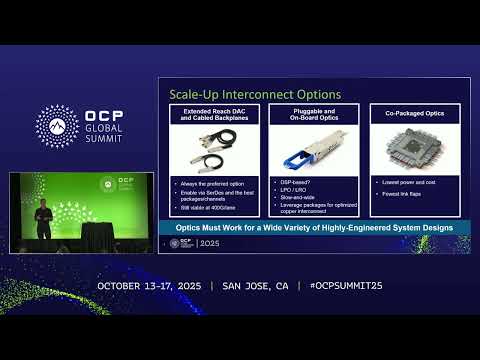
- And what we've seen is that with Tomahawk Ultra, if that has about a 250 nanosecond latency, you can get an end-to-end latency, so application layer at the XPU to application layer of sub-400 nanoseconds.
And what we've seen is that with Tomahawk Ultra, if that has about a 250 nanosecond latency, you can get an end-to-end latency, so application layer at the XPU to application layer of sub-400 nanoseconds.
- And what we've seen is that with Tomahawk Ultra, is that has about a 250 nanosecond latency, you can get an end-to-end latency, so application layer at the XPU to application layer of sub-400 nanoseconds.
And what we've seen is that with Tomahawk Ultra, is that has about a 250 nanosecond latency, you can get an end-to-end latency, so application layer at the XPU to application layer of sub-400 nanoseconds.
‘He’s flailing’: Newsom denounces Trump’s tariff policy

- He could do that in a nanosecond.
He could do that in a nanosecond.
- He could do that in a nanosecond.
He could do that in a nanosecond.
Performance Evaluation of Interconnect Technologies for AI Scale Up Computing UAL vs UALoE SU
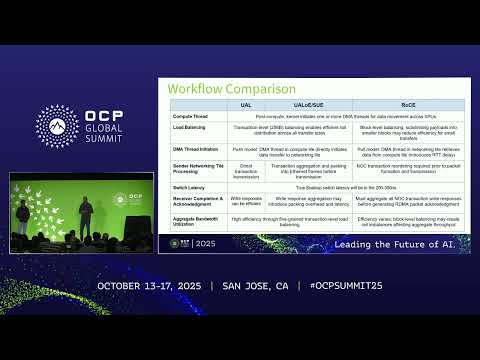
- For the ual, since there's no packing or unpacking, we said okay, a Switch takes a 200 nanosecond latency and accelerator side UAL RXTX TLDL layers take 100 nanosecond latency.
For the ual, since there's no packing or unpacking, we said okay, a Switch takes a 200 nanosecond latency and accelerator side UAL RXTX TLDL layers take 100 nanosecond latency.
- So that covers 300 nanosecond.
So that covers 300 nanosecond.
Can you drive west to lengthen the sunset?
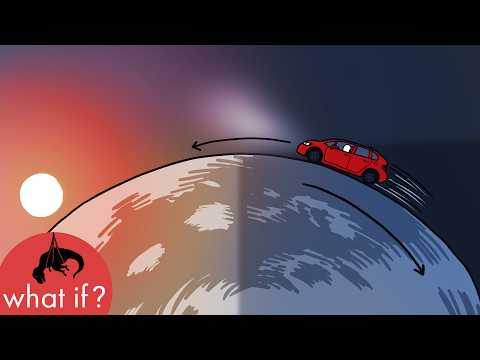
- It's true that it will only add an imperceptibly small fraction of a nanosecond,
It's true that it will only add an imperceptibly small fraction of a nanosecond,
- It's true that it will only add an imperceptibly small fraction of a nanosecond,
It's true that it will only add an imperceptibly small fraction of a nanosecond,
Ultra Accelerator Link (UAL): Accelerator Scale-up network
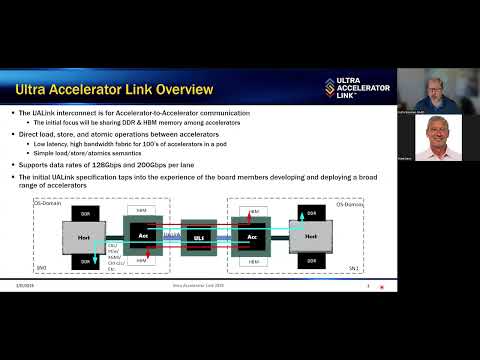
- So our pin-to-pin latency inside those switches is somewhere in the 100-nanosecond range.
So our pin-to-pin latency inside those switches is somewhere in the 100-nanosecond range.
- So our pin-to-pin latency inside those switches is somewhere in the 100 nanosecond range.
So our pin-to-pin latency inside those switches is somewhere in the 100 nanosecond range.