marching on
US
・UK
A1
phr. v.Phrasal VerbTo continue with a journey or task despite difficulties.
The band is marching on, playing their music.
v.i.Intransitive VerbTo proceed or advance in a determined way, especially in a military context.
The troops are marching on, ready for battle.
Video subtitles
Knight

- and they generally fielded armies composed of large masses of infantry, with an infantry elite, the comitatus, which often rode to battle on horseback rather than marching on foot.
and they generally fielded armies composed of large masses of infantry, with an infantry elite, the comitatus, which often rode to battle on horseback rather than marching on foot.
- than marching on foot. Riding to battle had two key advantages: it reduced fatigue, particularly
than marching on foot. Riding to battle had two key advantages: it reduced fatigue, particularly
The Greatest Showman - This Is Me ( cover by J.Fla )

- Look out, 'cause here I come, and I'm marching on to the path that's wrong.
Look out, 'cause here I come, and I'm marching on to the path that's wrong.
- And I'm marching on to the beat I drum
And I'm marching on to the beat I drum
How China crushed Hong Kong
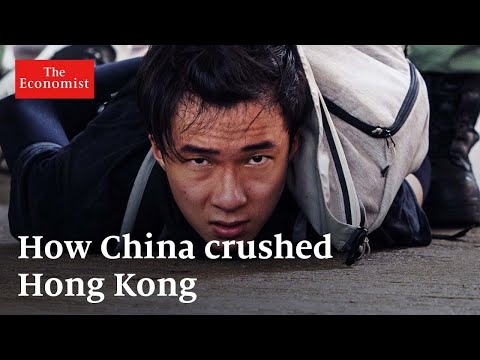
- ...there was a million people marching on the street
...there was a million people marching on the street
China is erasing its border with Hong Kong

- On June 4th, 1989, pro-democracy protesters were marching on Beijing's Tiananmen Square, calling for the end of single-party rule in China.
On June 4th, 1989, pro-democracy protesters were marching on Beijing's Tiananmen Square, calling for the end of single-party rule in China.
- pro-democracy protesters were marching
on Beijing's Tiananmen Square calling
pro-democracy protesters were marching on Beijing's Tiananmen Square calling
The Greatest Showman - Never Enough & This Is Me - Evynne Hollens

- And I'm marching on to the beat I drum.
And I'm marching on to the beat I drum.
- and I'm marching on to the beat I drum
and I'm marching on to the beat I drum
This Is Me - The Greatest Showman Soundtrack | Sapphire

- Look out 'cause here I come. And I'm marching on to the beat I drum.
Look out 'cause here I come. And I'm marching on to the beat I drum.
- Look out 'cause here I come. And I'm marching on to the beat I drum.
Look out 'cause here I come. And I'm marching on to the beat I drum.
The Greatest Showman Trailer #1 (2017) | Movieclips Trailers

- And I'm marching on to the beat I drum.
And I'm marching on to the beat I drum.
- And I'm marching on to the beat I drum.
And I'm marching on to the beat I drum.
YOASOBI / The Blessing (「祝福」English Ver.) -『Mobile Suit Gundam THE WITCH FROM MERCURY』Opening Theme

- And if you choose to keep on marching on, instead of running off, and cleared of any doubt, not to be part of those images someone paints, not advancing in that show, chosen by someone else.
And if you choose to keep on marching on, instead of running off, and cleared of any doubt, not to be part of those images someone paints, not advancing in that show, chosen by someone else.
What’s happening in Myanmar? | Start Here

- But whether that translates into a willingness to expend enormous resources and lose a huge number of lives by marching on the central cities, that's another question in time.
But whether that translates into a willingness to expend enormous resources and lose a huge number of lives by marching on the central cities, that's another question in time.
Top 10 Craziest Stories in History NO ONE Talks About
- To the 22nd Artillery Supply Company, Wojtek was more than a mascot. He was one of their own, drinking with soldiers, smoking and eating cigarettes, and marching on two legs. Wojtek even carried ammunition crates. To keep Wojtek in their care, the bear was officially made a private and then a corporal. After the war, Wojtek was donated to Scotland's Edinburgh Zoo, where he lived out the rest of his life. 9. The Bloody Benders
To the 22nd Artillery Supply Company, Wojtek was more than a mascot. He was one of their own, drinking with soldiers, smoking and eating cigarettes, and marching on two legs. Wojtek even carried ammunition crates. To keep Wojtek in their care, the bear was officially made a private and then a corporal. After the war, Wojtek was donated to Scotland's Edinburgh Zoo, where he lived out the rest of his life. 9. The Bloody Benders
- He was one of their own; drinking with soldiers, smoking and eating cigarettes, and marching on two legs.
He was one of their own; drinking with soldiers, smoking and eating cigarettes, and marching on two legs.