liquidity
US /lɪˈkwɪdɪti/
・UK /lɪˈkwɪdəti/
A2
n. (u.)Uncountable NounDegree to which your wealth is held in cash
Her liquidity is worth $5000 right now
n. (u.)Uncountable NounState in which a substance can flow
The liquidity of water changes with the temperature
Video subtitles
The End of the Long Bond Era

- These countries were saying, "Wow, if we can sell some of our debt and lock it in at this low rate for 100 years, oh, we're, you know, kind of buffering our interest costs." Central banks were just flooding the system after the pandemic with liquidity and buying bonds to help nations and economies do better, so countries and companies were selling long-term debt.
These countries were saying, "Wow, if we can sell some of our debt and lock it in at this low rate for 100 years, oh, we're, you know, kind of buffering our interest costs." Central banks were just flooding the system after the pandemic with liquidity and buying bonds to help nations and economies do better, so countries and companies were selling long-term debt.
- Central banks were just flooding the system after the pandemic with liquidity and buying bonds to help nations and economies do better.
Central banks were just flooding the system after the pandemic with liquidity and buying bonds to help nations and economies do better.
Trump defends tariffs after stock market turmoil | BBC News

- Well, if you've got markets that seize up, it means that there's less liquidity and it means that companies can borrow less money, people can borrow less money, or it is more expensive to borrow money and then invest it or spend it.
Well, if you've got markets that seize up, it means that there's less liquidity and it means that companies can borrow less money, people can borrow less money, or it is more expensive to borrow money and then invest it or spend it.
- Well, if you've got markets that seize up, it means that there's less liquidity.
Well, if you've got markets that seize up, it means that there's less liquidity.
Stanford Webinar - Fintech Revolution: How Disruptive Innovation is Transforming Financial Services

- They have trillions of dollars of federally insured deposits, which are basically the oil for the engine to do lending and to do payments and to provide liquidity services.
They have trillions of dollars of federally insured deposits, which are basically the oil for the engine to do lending and to do payments and to provide liquidity services.
- to provide liquidity services.
to provide liquidity services.
You’ll Regret Playing It Safe in Your 20’s & 30’s

- And that is gonna be a function of liquidity.
And that is gonna be a function of liquidity.
- that is going to be a function of liquidity.
that is going to be a function of liquidity.
Every Stock Market Terms Explained for Beginners
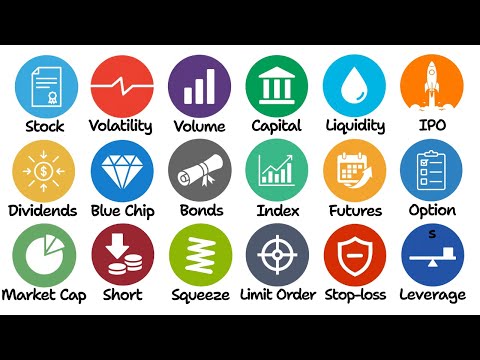
- Liquidity shows how easy it is to buy or sell without, er, messing up the price.
Liquidity shows how easy it is to buy or sell without, er, messing up the price.
- Low liquidity means you might wait or settle for a worse price just to make the trade.
Low liquidity means you might wait or settle for a worse price just to make the trade.
The Man Who Predicted 2008 Is Now Betting Against AI

- There is also a liquidity problem in the market.
There is also a liquidity problem in the market.
- There is also a liquidity problem in the market.
There is also a liquidity problem in the market.
巴菲特給年輕人的5個建議 ► 讓你的人生少走彎路... - Warren Buffett 巴菲特(中英字幕)
- Now you get something handed to you, liquidity, which is instant.
Now you get something handed to you, liquidity, which is instant.
- Now you get something handed to you, liquidity, which is instant.
Now you get something handed to you, liquidity, which is instant.
What No One Tells You About The Secret Plan To Crash Bitcoin

- The way that the Fed controls inflation is that it takes liquidity out of the market.
The way that the Fed controls inflation is that it takes liquidity out of the market.
- The way that the Fed controls inflation is that it takes liquidity out of the market.
The way that the Fed controls inflation is that it takes liquidity out of the market.
Why $1M net worth is much easier than you think

- And that will give us a liquidity.
And that will give us a liquidity.
- And that will give us liquidity.
And that will give us liquidity.
Is the US Central Bank Losing Its Independence?

- The most extreme version of open market operations is something called quantitative easing, where the fed will create money and use it to pump liquidity into the market by buying government bonds, corporate bonds, mortgage-backed securities, and sometimes even shares and other equity.
The most extreme version of open market operations is something called quantitative easing, where the fed will create money and use it to pump liquidity into the market by buying government bonds, corporate bonds, mortgage-backed securities, and sometimes even shares and other equity.
- The most extreme version of open market operations is something called quantitative easing, where the Fed will create money and use it to pump liquidity into the market by buying government bonds, corporate bonds, mortgage-backed securities, and
The most extreme version of open market operations is something called quantitative easing, where the Fed will create money and use it to pump liquidity into the market by buying government bonds, corporate bonds, mortgage-backed securities, and