kinesthetic
US /ˌkɪnɪs'θetɪk/
・UK /ˌkaɪnɪs'θetɪk/
A1
adj.AdjectiveConcerning kinesthesis
Video subtitles
How to Memorize Vocabulary Fast
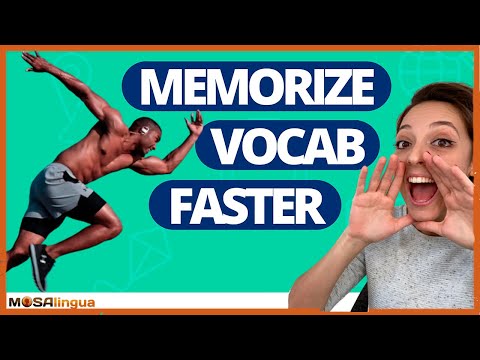
- In addition to visual memory and auditory memory (which I don't think you need me to explain), we also have what is called kinesthetic memory, which is associated with movement.
In addition to visual memory and auditory memory (which I don't think you need me to explain), we also have what is called kinesthetic memory, which is associated with movement.
- When you combine all three types of memory — visual, auditory, and kinesthetic — you'll learn new vocab faster and more efficiently because your brain will have made more connections to that word.
When you combine all three types of memory — visual, auditory, and kinesthetic — you'll learn new vocab faster and more efficiently because your brain will have made more connections to that word.
Why use Personality Tests in the Workplace?

- You've got, uh, kinesthetic intelligence is how you move, and,
You've got, uh, kinesthetic intelligence is how you move, and,
- You've got kinesthetic intelligence; how you move.
You've got kinesthetic intelligence; how you move.
Conversation Skills: What's your communication style?
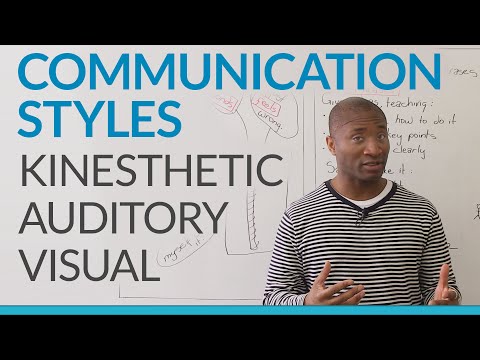
- And what's the third thing we're going to talk about? Well, body. It's called "kinesthetic".
And what's the third thing we're going to talk about? Well, body. It's called "kinesthetic".
- It's called "kinesthetic." Sometimes it includes taste, "ahm, delicious," and smell, "shh, shh, shh, shh," okay?
It's called "kinesthetic." Sometimes it includes taste, "ahm, delicious," and smell, "shh, shh, shh, shh," okay?
Effective expressions to express your personality
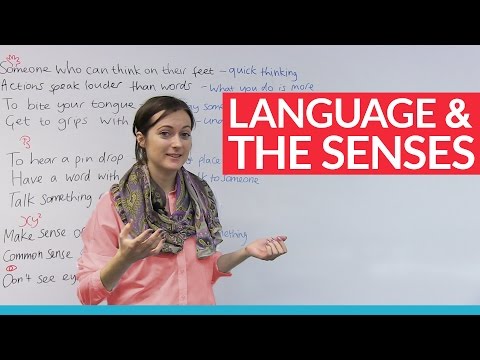
- sense of hearing and what you hear. You may also be a kinesthetic person. This means that
sense of hearing and what you hear. You may also be a kinesthetic person. This means that
- You may also be a kinesthetic person.
You may also be a kinesthetic person.
8 Intelligences - Theory of Multiple Intelligences Explained - Dr. Howard Gardner

- The fourth is body kinesthetic, which means you are good at handling and maneuvering your own body.
The fourth is body kinesthetic, which means you are good at handling and maneuvering your own body.
- People that are very intelligent in the body kinesthetic field are dancers, actors, soldiers, and
People that are very intelligent in the body kinesthetic field are dancers, actors, soldiers, and
What's your learning style? The BEST way for YOU to learn a language.

- learning by hearing. And this one is kinesthetic learning style, learning by doing. Okay? So
learning by hearing. And this one is kinesthetic learning style, learning by doing. Okay? So
- rest of them were in the kinesthetic part, your strongest learning style is kinesthetic,
rest of them were in the kinesthetic part, your strongest learning style is kinesthetic,
Metacognition: Learning about Learning
- reading and writing. K is kinesthetic. And so if you are a visual person this prezi would
reading and writing. K is kinesthetic. And so if you are a visual person this prezi would
- the R, then do that. If you're kinesthetic that means do something. It doesn't mean like
the R, then do that. If you're kinesthetic that means do something. It doesn't mean like
5 terrible study habits to quit
- For example, some people might be visual learners, some people might be auditory learners, some might be kinesthetic learners, and so on.
For example, some people might be visual learners, some people might be auditory learners, some might be kinesthetic learners, and so on.
- some might be kinesthetic learners, and so on.
some might be kinesthetic learners, and so on.
Homunculus - Crash Course Psychology #6

- You use your kinesthetic sense whenever you walk, dance, swim, or hula hoop.
You use your kinesthetic sense whenever you walk, dance, swim, or hula hoop.
- positioning. You use your kinesthetic sense whenever you walk, dance, swim, or hula hoop.
positioning. You use your kinesthetic sense whenever you walk, dance, swim, or hula hoop.
10 Study Hacks For Motivation | How To Stay Motivated #Spon
- the kinesthetic learners.
the kinesthetic learners.
- visual learners, the oral learners, and
the kinesthetic learners. People who
visual learners, the oral learners, and the kinesthetic learners. People who