indefinite
US /ɪnˈdɛfənɪt/
・UK /ɪnˈdefɪnət/
A2
adj.AdjectiveBeing unclear or not exact
We don’t know when this will end, the timeline is indefinite
Video subtitles
Articles - 'a', 'an' and 'the' | English Grammar

- Then join me in this two part lesson for a complete review of the indefinite and definite articles in English.
Then join me in this two part lesson for a complete review of the indefinite and definite articles in English.
- Then join me in this two part lesson for a complete review of the indefinite and definite articles in English.
Then join me in this two part lesson for a complete review of the indefinite and definite articles in English.
Refugees to face 20-year wait to settle permanently in UK under asylum reforms | BBC News

- The current period is five years, after which refugees typically receive indefinite leave to remain.
The current period is five years, after which refugees typically receive indefinite leave to remain.
- The current period is five years, after which refugees typically receive indefinite leave to remain.
The current period is five years, after which refugees typically receive indefinite leave to remain.
English Grammar Practice For ALL Students and Exams

- "No, some people are still missing." We use a singular verb after indefinite pronouns like everyone, someone, no one, and
"No, some people are still missing." We use a singular verb after indefinite pronouns like everyone, someone, no one, and
- Indefinite pronouns also include words like everything and nothing, and these are followed by a singular verb.
Indefinite pronouns also include words like everything and nothing, and these are followed by a singular verb.
Indian doctors strike over murder of trainee medic | BBC News

- Doctors at government hospitals in several Indian states have gone on an indefinite strike in protest at the rape and murder of a trainee doctor on Friday.
Doctors at government hospitals in several Indian states have gone on an indefinite strike in protest at the rape and murder of a trainee doctor on Friday.
- Doctors at government hospitals in several Indian states have gone on an indefinite strike in protest at the rape and murder of a trainee doctor on Friday.
Doctors at government hospitals in several Indian states have gone on an indefinite strike in protest at the rape and murder of a trainee doctor on Friday.
Let's Read Nietzsche's Beyond Good and Evil CC ASMR First Article

- Such as, for example, that the definite is worth more than the indefinite, that appearance is less valuable than the truth.
Such as, for example, that the definite is worth more than the indefinite, that appearance is less valuable than the truth.
- Such as, for example, that the definite is worth more than the indefinite, that appearance is less valuable than "the truth."
Such as, for example, that the definite is worth more than the indefinite, that appearance is less valuable than "the truth."
10 MOST COMMON Grammar Mistakes English Learners Make

- 'A' and 'an' are indefinite articles.
'A' and 'an' are indefinite articles.
- The difference between definite and indefinite articles is the difference between talking about a specific noun and a general noun.
The difference between definite and indefinite articles is the difference between talking about a specific noun and a general noun.
Fix your grammar: IS or ARE - Common Mistakes & Grammar Rules
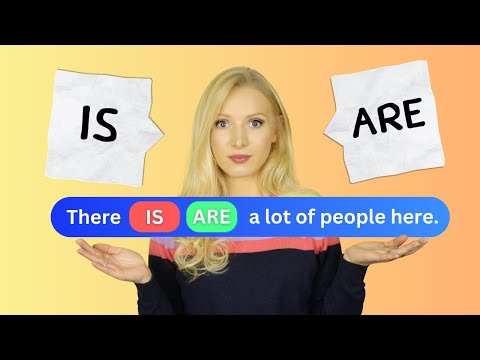
- After indefinite pronouns like everybody, everyone, or anybody and anyone, you should use is.
After indefinite pronouns like everybody, everyone, or anybody and anyone, you should use is.
- After indefinite pronouns like everybody, everyone, or anybody and anyone, you should use is.
After indefinite pronouns like everybody, everyone, or anybody and anyone, you should use is.
"When will you actually stop the boats?" | BBC Question Time

- They want to rip up indefinite leave to remain.
They want to rip up indefinite leave to remain.
- They want to rip up indefinite leave to remain.
They want to rip up indefinite leave to remain.
What's driving political violence in the United States? | DW News

- And so that's not to say it's indefinite.
And so that's not to say it's indefinite.
- And so that's not to say it's indefinite.
And so that's not to say it's indefinite.
魚の研究者だけど「海洋生物」について質問ある? | Tech Support | WIRED Japan
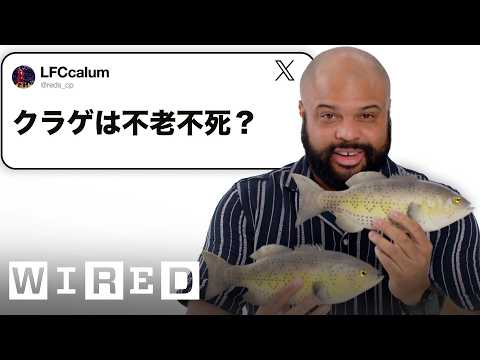
- The estimates for lifespan are technically indefinite because if nothing eats them, they can just keep going.
The estimates for lifespan are technically indefinite because if nothing eats them, they can just keep going.
- The estimates for lifespan are technically indefinite because if nothing eats them, they can just keep going.
The estimates for lifespan are technically indefinite because if nothing eats them, they can just keep going.