hatshepsut
US
・UK
A1
prop. n.Proper NounA female pharaoh of Ancient Egypt who reigned during the Eighteenth Dynasty.
Hatshepsut was one of the few female pharaohs of Ancient Egypt.
prop. n.Proper NounReferring to the era or legacy associated with the rule of Queen Hatshepsut.
The reign of Hatshepsut is noted for its extensive building programs and peaceful foreign policy.
prop. n.Proper NounReferring to the Temple of Hatshepsut, a mortuary temple located in Upper Egypt.
The Temple of Hatshepsut at Deir el-Bahri is a stunning example of ancient Egyptian architecture.
Video subtitles
エジプト学の専門家だけど質問ある?| Tech Support | WIRED Japan
- Many people might say that Khufu, the builder of the Great Pyramid was the best pharaoh, but my personal favorite pharaoh would probably be Hatshepsut.
Many people might say that Khufu, the builder of the Great Pyramid was the best pharaoh, but my personal favorite pharaoh would probably be Hatshepsut.
- Hatshepsut was a woman.
Hatshepsut was a woman.
Ancient Egypt: Crash Course World History #4

- Probably the most expansive of the New Kingdom Pharaohs was Hatshepsut, a woman who ruled Egypt for about 22 years and who expanded Egypt not through military might, but
Probably the most expansive of the New Kingdom Pharaohs was Hatshepsut, a woman who ruled Egypt for about 22 years and who expanded Egypt not through military might, but
- Probably the most expansive of the New Kingdom pharaohs was Hatshepsut, a woman who ruled
Probably the most expansive of the New Kingdom pharaohs was Hatshepsut, a woman who ruled
Hatshepsut - The Pharaoh they tried to Erase from History
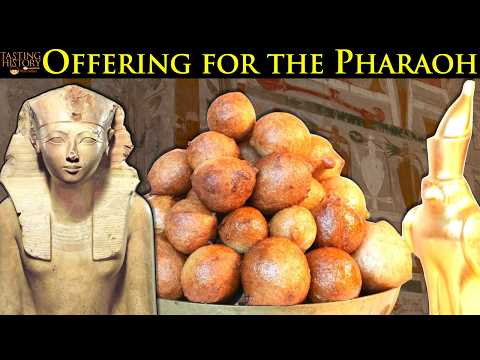
- One of ancient Egypt's greatest pharaohs was nearly lost from history Hatshepsut, Egypt's most famous female pharaoh, a woman with a fascinating story and an even more fascinating mortuary temple featuring images of her great exploits as well as many depictions of food for the gods and her afterlife.
One of ancient Egypt's greatest pharaohs was nearly lost from history Hatshepsut, Egypt's most famous female pharaoh, a woman with a fascinating story and an even more fascinating mortuary temple featuring images of her great exploits as well as many depictions of food for the gods and her afterlife.
- One of ancient Egypt's greatest pharaohs was nearly lost from history Hatshepsut, Egypt's most famous female pharaoh, a woman with a fascinating story and an even more fascinating mortuary temple featuring images of her great exploits as well as many depictions of food for the gods and her afterlife.
One of ancient Egypt's greatest pharaohs was nearly lost from history Hatshepsut, Egypt's most famous female pharaoh, a woman with a fascinating story and an even more fascinating mortuary temple featuring images of her great exploits as well as many depictions of food for the gods and her afterlife.
TOP 10 BIG CHANGES IN CIVILIZATION 7 - Civ 6 VS Civ 7
- Let's move through to number four, a smaller point but one not to be overlooked, navigable rivers have been introduced in Civilization VII, the question then becomes how, for those who don't know, this means that we can navigate through rivers, rivers become tiles, though not quite, you can see from this actual gameplay that the river is maybe making up about half of the tile, you can see in the slow motion replay that the unit is however able to sail across, or up maybe in this case, the river, sailing up a river, a little bit unusual, the point here is that they are navigable, and some civilizations will lean into this as well, for example, the traditionally Egyptian leader, Hatshepsut, Hatshepsut, Hatshepsut, Ok, Hatshepsut is, for example, great at building wonders alongside cities that are adjacent to navigable rivers, so it's not just transportation of units, but also many of the leaders and civs will lean into this new mechanic, speaking of new mechanics, let's talk about another new mechanic to Civ VII, big towns, big money, and they certainly are money makers, what exactly, well they're kind of like satellite cities, built and connected to your existing cities, or I believe what happens when you conquer a city, towns are wonderful for making money and connecting resources, some of the leaders, as you've seen, will lean into them even further, adding additional benefits to building or capturing more towns, I find building them early and often, simply connecting resources on the map is the way to go, the towns themselves will connect resources generally by way of money, speeding it into the nearest city, or connected city I should say, they'll also obviously bring those key resources on the map, the things that you're actually building on, improving, and that are providing happiness, which we'll touch on in a moment, they'll bring those back for distribution too, so you might place them tactically, defensively, or just for the land grab.
Let's move through to number four, a smaller point but one not to be overlooked, navigable rivers have been introduced in Civilization VII, the question then becomes how, for those who don't know, this means that we can navigate through rivers, rivers become tiles, though not quite, you can see from this actual gameplay that the river is maybe making up about half of the tile, you can see in the slow motion replay that the unit is however able to sail across, or up maybe in this case, the river, sailing up a river, a little bit unusual, the point here is that they are navigable, and some civilizations will lean into this as well, for example, the traditionally Egyptian leader, Hatshepsut, Hatshepsut, Hatshepsut, Ok, Hatshepsut is, for example, great at building wonders alongside cities that are adjacent to navigable rivers, so it's not just transportation of units, but also many of the leaders and civs will lean into this new mechanic, speaking of new mechanics, let's talk about another new mechanic to Civ VII, big towns, big money, and they certainly are money makers, what exactly, well they're kind of like satellite cities, built and connected to your existing cities, or I believe what happens when you conquer a city, towns are wonderful for making money and connecting resources, some of the leaders, as you've seen, will lean into them even further, adding additional benefits to building or capturing more towns, I find building them early and often, simply connecting resources on the map is the way to go, the towns themselves will connect resources generally by way of money, speeding it into the nearest city, or connected city I should say, they'll also obviously bring those key resources on the map, the things that you're actually building on, improving, and that are providing happiness, which we'll touch on in a moment, they'll bring those back for distribution too, so you might place them tactically, defensively, or just for the land grab.