fasting
US /'fɑ:stɪŋ/
・UK /'fɑ:stɪŋ/
C1
v.i.Intransitive VerbTo refuse food for a long time
They are fasting for religious reasons
Video subtitles
Can Fasting Help You Live Longer?
- I'm not talking about extended fasting, when you don't eat for multiple days at a time and then, I don't know, go spearfishing.
I'm not talking about extended fasting, when you don't eat for multiple days at a time and then, I don't know, go spearfishing.
- I'm not talking about extended fasting, when you don't eat for multiple days at a time and then… I don't know, go spearfishing?
I'm not talking about extended fasting, when you don't eat for multiple days at a time and then… I don't know, go spearfishing?
How I Tricked My Brain Into Stopping Cravings

- If you guessed cooking more of my meals, or intermittent fasting, or cutting carbs, or adding exercise, or any specific diet, then it's none of those.
If you guessed cooking more of my meals, or intermittent fasting, or cutting carbs, or adding exercise, or any specific diet, then it's none of those.
- or intermittent fasting, or cutting carbs,
or intermittent fasting, or cutting carbs,
Why women should FAST differently than men… | Exercise & Nutrition Scientist Dr Stacy Sims
- So this is the big debate, right? So we look at fasting and where it first came out and it's like, okay, we see that obese sedentary individuals who had to lose weight rapidly for surgery, they're put on a fasting type program to lose weight quickly in order to survive surgery.
So this is the big debate, right? So we look at fasting and where it first came out and it's like, okay, we see that obese sedentary individuals who had to lose weight rapidly for surgery, they're put on a fasting type program to lose weight quickly in order to survive surgery.
- And unfortunately, a lot of those times we look at clinical research and it gets transposed over to health and fitness without actually asking if it's viable. So then we look at the lower end of the fitness population. People are just learning to move and wanting to move. And like, I also want to lose more body fat so that I can move better. Oh, I'll start fasting. And when we see a lot of the like push on it, it comes from male data again. So when we start looking at women and a lot of women used to come with their partners to see me and say, I don't understand. We're both doing the same kind of fasted training. He's leaning up and getting fitter. I'm putting weight on and getting slower. I'm like, okay, well we have to separate it out, right? If you're a woman, you want to fast for all the health reasons that we hear about with regards to telomere length, improving longevity, improving our body's metabolic control. Then we work with our circadian rhythm where we stop eating at dinner. So we have dinner and we don't eat two to three hours before bed.
And unfortunately, a lot of those times we look at clinical research and it gets transposed over to health and fitness without actually asking if it's viable. So then we look at the lower end of the fitness population. People are just learning to move and wanting to move. And like, I also want to lose more body fat so that I can move better. Oh, I'll start fasting. And when we see a lot of the like push on it, it comes from male data again. So when we start looking at women and a lot of women used to come with their partners to see me and say, I don't understand. We're both doing the same kind of fasted training. He's leaning up and getting fitter. I'm putting weight on and getting slower. I'm like, okay, well we have to separate it out, right? If you're a woman, you want to fast for all the health reasons that we hear about with regards to telomere length, improving longevity, improving our body's metabolic control. Then we work with our circadian rhythm where we stop eating at dinner. So we have dinner and we don't eat two to three hours before bed.
Gordon Challenges MrBeast, Ronda Rousey, and MORE | Scrambled | Gordon Ramsay

- What would you normally, if you're not fasting, what would you have for breakfast?
What would you normally, if you're not fasting, what would you have for breakfast?
- What would you normally, if you're not fasting, what would you have for breakfast?
What would you normally, if you're not fasting, what would you have for breakfast?
The SIMPLE Way To Make Your Body KILL BELLY FAT! | Dr Jason Fung

- If you want to lose body fat, you actually need to extend the period of time that you're not eating. In other words, extend your fasting period and get rid of all the snacks in order for you to have enough time that your insulin is low. When insulin is low, it's going to allow fat burning, which is going to allow you to pull those calories back out.
If you want to lose body fat, you actually need to extend the period of time that you're not eating. In other words, extend your fasting period and get rid of all the snacks in order for you to have enough time that your insulin is low. When insulin is low, it's going to allow fat burning, which is going to allow you to pull those calories back out.
- If you want to lose body fat, you actually need to extend the period of time that you're not eating—in other words, extend your fasting period and get rid of all the snacks—in order for you to have enough time that your insulin is low.
If you want to lose body fat, you actually need to extend the period of time that you're not eating—in other words, extend your fasting period and get rid of all the snacks—in order for you to have enough time that your insulin is low.
Why are people so Healthy in Japan?

- Glycine supplementation also reduced fasting blood sugar, fasting insulin, and even triglycerides.
Glycine supplementation also reduced fasting blood sugar, fasting insulin, and even triglycerides.
- Glycine supplementation also reduced fasting blood sugar, fasting insulin and even triglycerides.
Glycine supplementation also reduced fasting blood sugar, fasting insulin and even triglycerides.
Fasting vs Eating Less
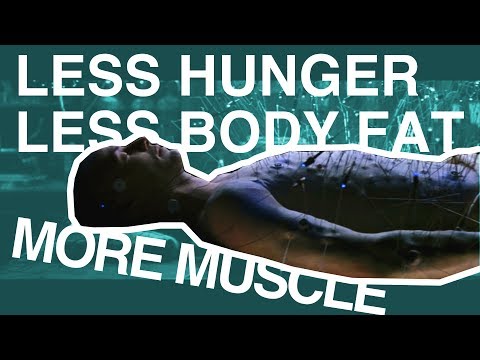
- and walked about normally." And, "Prolonged fasting in this patient had no ill effects.
and walked about normally." And, "Prolonged fasting in this patient had no ill effects.
- However, it does illustrate some very interesting points about just how different of a physiological response you can get from fasting, that is, eating nothing, compared to eating less, or caloric restriction.
However, it does illustrate some very interesting points about just how different of a physiological response you can get from fasting, that is, eating nothing, compared to eating less, or caloric restriction.
10 HABITS FOR (ALMOST) LIMITLESS ENERGY
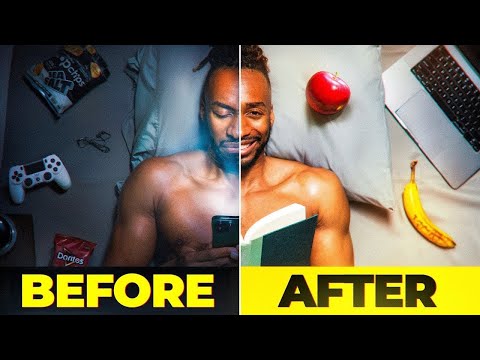
- Now, what you eat is important, but it's also important what you don't eat, which brings me to fasting.
Now, what you eat is important, but it's also important what you don't eat, which brings me to fasting.
- And so that's why I mentioned fasting.
And so that's why I mentioned fasting.
Kitze shows Pedro his Raycast setup in Barcelona

- Like, you have, like, to-dos, planner, fasting, hydration.
Like, you have, like, to-dos, planner, fasting, hydration.
- Like you have, like to do Planner, fasting, hydration.
Like you have, like to do Planner, fasting, hydration.
History of the Holidays: History of Thanksgiving | History
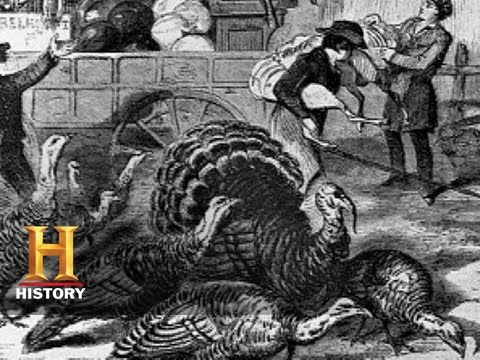
- Theirs was a religious holiday descended from Puritan days of fasting, prayer and giving thanks to God.
Theirs was a religious holiday descended from Puritan days of fasting, prayer and giving thanks to God.
- Theirs was a religious holiday, descended from Puritan days of fasting, prayer, and giving thanks to God.
Theirs was a religious holiday, descended from Puritan days of fasting, prayer, and giving thanks to God.