extraversion
US /ˌekstrə'vɜ:ʒən/
・UK /ˌekstrə'vɜ:ʃən/
C2
n. (u.)Uncountable NounPsych concern with others/what is outside the self
Individuals with high extraversion enjoy being surrounded by people
Video subtitles
Introverts and Extroverts - An outlook
- clearly celebrates extraversion.
clearly celebrates extraversion.
- Here, extraversion is a norm.
Here, extraversion is a norm.
How Your Personality Affects How You Love
- The MBTI Myers Briggs Type Indicator divides people into 16 types based on four preference Extraversion E Introversion I Sensing S Intuition N Thinking T Feeling F Judging J Perceiving P these types aim to describe how people prefer to take in information and make decisions.
The MBTI Myers Briggs Type Indicator divides people into 16 types based on four preference Extraversion E Introversion I Sensing S Intuition N Thinking T Feeling F Judging J Perceiving P these types aim to describe how people prefer to take in information and make decisions.
Men & Women: Personality Differences | Discovering Personality with Dr. Jordan B. Peterson

- So by far the biggest differences are in extraversion or agreeableness and neuroticism, and the biggest difference is actually in agreeableness.
So by far the biggest differences are in extraversion or agreeableness and neuroticism, and the biggest difference is actually in agreeableness.
Your Medical Specialty Based on The Big Five Personality Traits

- The model proposes that human personality can be measured along five distinct dimensions, which are openness to experience, conscientiousness, extraversion, agreeableness, and
The model proposes that human personality can be measured along five distinct dimensions, which are openness to experience, conscientiousness, extraversion, agreeableness, and
- For example, extraversion covaried with the region of the brain that processes reward information, and
For example, extraversion covaried with the region of the brain that processes reward information, and
There Are Two Kinds of Curious
- openness to experience, conscientiousness, extraversion, agreeableness, and neuroticism.
openness to experience, conscientiousness, extraversion, agreeableness, and neuroticism.
The Psychology Why Some People Struggle With Crowds

- Many societies treat extraversion as the default and introversion as something to overcome, which creates unnecessary shame around natural preferences.
Many societies treat extraversion as the default and introversion as something to overcome, which creates unnecessary shame around natural preferences.
Your Medical Specialty Based on Personality | Myers-Briggs Breakdown

- Types are broken down Introversion or extraversion I versus e, sensing or intuition, s versus n, thinking or feeling t versus f and judging or perceiving j versus p.
Types are broken down Introversion or extraversion I versus e, sensing or intuition, s versus n, thinking or feeling t versus f and judging or perceiving j versus p.
- Types are broken down between: Introversion or Extraversion (I versus E), Sensing or Intuition (S versus N), Thinking or Feeling (T versus F), and
Types are broken down between: Introversion or Extraversion (I versus E), Sensing or Intuition (S versus N), Thinking or Feeling (T versus F), and
Introversion vs Social Anxiety: Why the Difference Matters
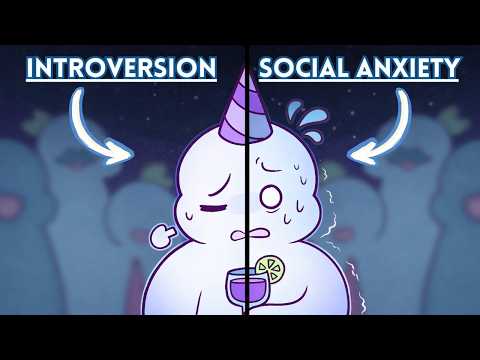
- Personality psychology research consistently shows that introversion and extraversion are stable traits, not disorders, and
Personality psychology research consistently shows that introversion and extraversion are stable traits, not disorders, and
What Does Your Bedroom Reveal About Your Personality? | Psych2Go
- One: Extraversion, are you sociable and fun-loving or retiring and reserved?
One: Extraversion, are you sociable and fun-loving or retiring and reserved?
- The close friends of the college students calculated their friends extraversion and agreeableness way more accurately than the strangers,
The close friends of the college students calculated their friends extraversion and agreeableness way more accurately than the strangers,
This Personality Trait Protects You from Depression
- It breaks personality into five basic Openness Curiosity Imagination Creativity Conscientiousness Discipline Responsibility Organization Extraversion Sociability Energy Enthusiasm Agreeableness Warmth Empathy cooperation and neuroticism Emotional sensitivity Moodiness Stress reactivity the Big Five actually dates back to the mid 20th century, when researchers analyzed thousands of words people used to describe one another.
It breaks personality into five basic Openness Curiosity Imagination Creativity Conscientiousness Discipline Responsibility Organization Extraversion Sociability Energy Enthusiasm Agreeableness Warmth Empathy cooperation and neuroticism Emotional sensitivity Moodiness Stress reactivity the Big Five actually dates back to the mid 20th century, when researchers analyzed thousands of words people used to describe one another.