exactly the same
US /ɪɡˈzæktli ði sem/
・UK /ɪgˈzæktli: ðə seim/
A1
phr.PhraseIdentical in every detail; not different in any way.
The two cars are exactly the same model and color.
phr.PhraseHaving very similar qualities or characteristics.
Both dresses cost exactly the same amount.
Video subtitles
How to Describe a Day Off in English!

- You can just say you're going to kick back or you're going to relax and they mean exactly the same thing.
You can just say you're going to kick back or you're going to relax and they mean exactly the same thing.
- they mean exactly the same thing.
they mean exactly the same thing.
Benny Lewis: TEDx talk on Rapid Language Hacking

- It's not exactly the same thing.
It's not exactly the same thing.
- It's not exactly the same thing.
It's not exactly the same thing.
English Imperatives! Be kind! Be nice! ?❤️?
- In fact, they have almost exactly the same meanings.
In fact, they have almost exactly the same meanings.
- In fact, they have almost exactly the same meanings.
In fact, they have almost exactly the same meanings.
BOX SET: English In A Minute 9 – TEN English lessons in 10 minutes!
- And you can also say 'I'm going to scoot', which has exactly the same meaning.
And you can also say 'I'm going to scoot', which has exactly the same meaning.
The Vajont Dam Disaster | A Short Documentary | Fascinating Horror

- At exactly the same moment, all the lights went out and I heard a sound impossible to describe properly.
At exactly the same moment, all the lights went out and I heard a sound impossible to describe properly.
- At exactly the same moment, all the lights went out and I heard a sound impossible to describe properly.
At exactly the same moment, all the lights went out and I heard a sound impossible to describe properly.
17 Minute Runners Flexibility Routine! (FOLLOW ALONG)
- Do exactly the same thing now just on the other side.
Do exactly the same thing now just on the other side.
- Do exactly the same thing now, just on the other side.
Do exactly the same thing now, just on the other side.
[請開字幕]巴黎AI峰會 美國副總統范斯演講全紀錄 |【民生八方事】| 2025021209 @gtvnews27
![[請開字幕]巴黎AI峰會 美國副總統范斯演講全紀錄 |【民生八方事】| 2025021209 @gtvnews27](https://img.youtube.com/vi/rAA4tam6YVQ/hqdefault.jpg)
- Exactly the same.
Exactly the same.
- Exactly the same.
Exactly the same.
How To Use HAVE, HAS & HAD In English (Beginner Vocabulary/Grammar)
- 'Have' and 'has': 'Have' and 'has' have exactly the same meaning, but we use them with different nouns.
'Have' and 'has': 'Have' and 'has' have exactly the same meaning, but we use them with different nouns.
- Have and has have exactly the same meaning, but we use them with different nouns.
Have and has have exactly the same meaning, but we use them with different nouns.
I Analysed 100 Years of Gold Prices, This Is What I Found
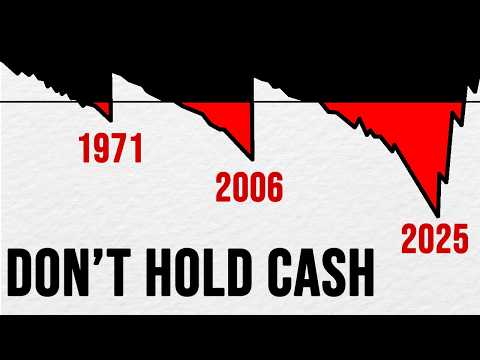
- In 2020, we know what happened exactly, it literally just changed everything, and the Fed was forced again to do exactly the same thing that they did back in 2008.
In 2020, we know what happened exactly, it literally just changed everything, and the Fed was forced again to do exactly the same thing that they did back in 2008.
- It literally just changed everything and the Fed was forced again to do exactly the same thing that they did back in 2008.
It literally just changed everything and the Fed was forced again to do exactly the same thing that they did back in 2008.
Advanced Prepositions of Time: “throughout”, “ahead of”, “at around”, “out of”…

- Exactly. Just in time. If you're like me and you know you're walking somewhere and the door is about to close and somebody opens it up and they're walking through and all of a sudden you're like Usain Bolt or some other fast runner and you run just in time so you don't have to do the door yourself. You know, you're too lazy to open the door. You want to just in time or the door would have closed on you. Okay? So, just in time means the time was almost up, but you finished similar to this, but not exactly the same. You finished just in time because any more, it would have been in trouble. Okay? That's the difference. So, this one, if you were any later, too late. This is your limitation. So, even though they look kind of similar, they're not the same.
Exactly. Just in time. If you're like me and you know you're walking somewhere and the door is about to close and somebody opens it up and they're walking through and all of a sudden you're like Usain Bolt or some other fast runner and you run just in time so you don't have to do the door yourself. You know, you're too lazy to open the door. You want to just in time or the door would have closed on you. Okay? So, just in time means the time was almost up, but you finished similar to this, but not exactly the same. You finished just in time because any more, it would have been in trouble. Okay? That's the difference. So, this one, if you were any later, too late. This is your limitation. So, even though they look kind of similar, they're not the same.