empathic
US /em'pæθɪk/
・UK /ɪm'pæθɪk/
C2
adj.AdjectiveShowing empathy/understanding of others' states
A sensitive and empathetic school counselor
Video subtitles
Bereavement: How to Transform Grief & Depression Through Spiritual Healing
- Who's not deeply empathic at their core?
Who's not deeply empathic at their core?
- Who's not deeply empathic at their core?
Who's not deeply empathic at their core?
Effective Listening for Better Communication
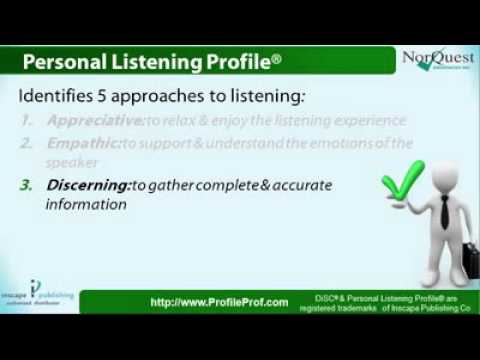
- The second is empathic, to support and understand the emotions that the speaker is experiencing while speaking.
The second is empathic, to support and understand the emotions that the speaker is experiencing while speaking.
- The second is Empathic: to support & understand the emotions of the speaker is experiencing
The second is Empathic: to support & understand the emotions of the speaker is experiencing
RSA Animate: Jeremy Rifkin - The Empathic Civilization
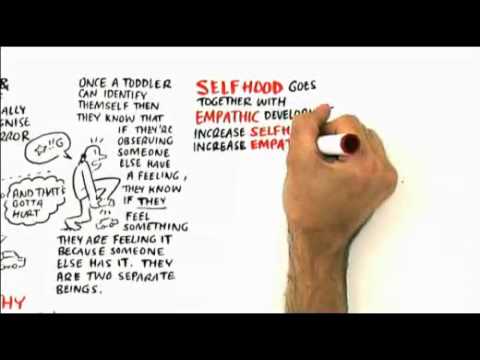
- Jeremy Rifkin. The Empathic Civilisation.
Jeremy Rifkin. The Empathic Civilisation.
- It's an empathic drive.
It's an empathic drive.
Frans de Waal: Moral behavior in animals / Moreel gedrag bij dieren (subtitles 27 languages)
- And it's very unfair to humanity because humanity is actually much more cooperative and empathic than they're given credit for.
And it's very unfair to humanity because humanity is actually much more cooperative and empathic than they're given credit for.
- because humanity is actually much more cooperative and empathic
because humanity is actually much more cooperative and empathic
Democratic School Education

- The ideal: to grow up in absence of fear and to become responsible, empathic, and self-determined citizens.
The ideal: to grow up in absence of fear and to become responsible, empathic, and self-determined citizens.
- empathic and self-determined citizens.
empathic and self-determined citizens.
BBC Learning English 6 Minute English - You Think You're Invisible?
- When people are observing you they’re doing it in a non-judgemental, fairly empathic way
When people are observing you they’re doing it in a non-judgemental, fairly empathic way
- When people are observing you, they're doing it in a very non-judgmental, fairly empathic way,
When people are observing you, they're doing it in a very non-judgmental, fairly empathic way,
What 85 years of research says is the real key to happiness | Robert Waldinger: Full Interview
- So there are these ways that knowing about my own discomfort and what I do with it can be a huge help in being empathic toward other people.
So there are these ways that knowing about my own discomfort and what I do with it can be a huge help in being empathic toward other people.
- Because what happens when we become more aware of that through meditation, for example, is that we become much more empathic toward other people.
Because what happens when we become more aware of that through meditation, for example, is that we become much more empathic toward other people.
Subtle Signs You’re Emotionally Intelligent

- Psychology calls this empathic accuracy,
Psychology calls this empathic accuracy,
- Psychology calls this empathic accuracy, and
Psychology calls this empathic accuracy, and
X-MEN: THE LAST STAND CLIP COMPILATION #2 (2006) Sci-Fi, Wolverine

- The cure for that infirm, empathic condition called homo sapiens.
The cure for that infirm, empathic condition called homo sapiens.
Authentically Developing Self-Worth | Being Well Podcast
- This primal experience of low worth, subordination, and shame is a consequence of a breach of appropriate empathic rapport.
This primal experience of low worth, subordination, and shame is a consequence of a breach of appropriate empathic rapport.
- This primal experience of low worth, subordination and shame, is the consequence of a breach of appropriate empathic rapport.
This primal experience of low worth, subordination and shame, is the consequence of a breach of appropriate empathic rapport.