dwarf planet
US
・UK
B1
n.NounA celestial body resembling a small planet but lacking certain technical criteria that are required for it to be classed as such.
Pluto is the most famous dwarf planet in our solar system.
Video subtitles
Planets of Our Solar System | Planets for Kids | Learn interesting facts about the planets

- It just got downgraded from a planet to a dwarf planet.
It just got downgraded from a planet to a dwarf planet.
- It didn't disappear, it just got downgraded from planet to a dwarf planet.
It didn't disappear, it just got downgraded from planet to a dwarf planet.
Crash Course Big History: The Solar System & the Earth

- and there's even a dwarf planet on the edge of our solar system, Eris, that's bigger than Pluto.
and there's even a dwarf planet on the edge of our solar system, Eris, that's bigger than Pluto.
- like planets usually do, and there's even a dwarf planet
like planets usually do, and there's even a dwarf planet
The Moons of Pluto Explained – MM#3
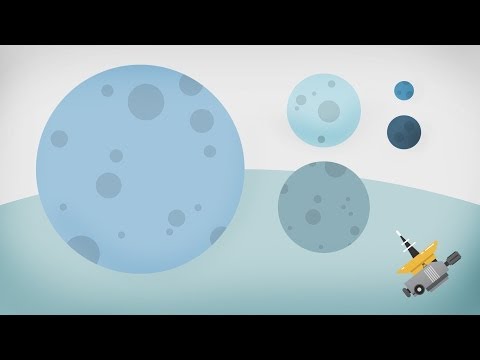
- Charon is so massive in relation to Pluto that the center of mass of the Pluto system is outside the dwarf planet.
Charon is so massive in relation to Pluto that the center of mass of the Pluto system is outside the dwarf planet.
- that the center of mass of the Pluto system is outside the dwarf planet.
that the center of mass of the Pluto system is outside the dwarf planet.
Which Planet Has the Best Eclipse?
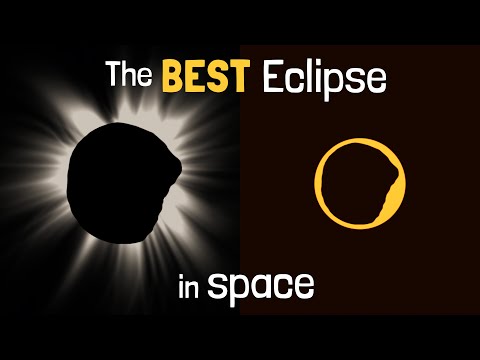
- The other three moons appear substantially bigger than the sun and easily eclipse it – especially Pluto's double-dwarf planet partner, aka its oversized moon, Charon.
The other three moons appear substantially bigger than the sun and easily eclipse it – especially Pluto's double-dwarf planet partner, aka its oversized moon, Charon.
- And we're not done yet – there are still other eclipses – Eris, another dwarf planet even farther out than Pluto, has one known moon but it's so much bigger than the sun and Eris also has no atmosphere that the eclipse is definitely D-tier.
And we're not done yet – there are still other eclipses – Eris, another dwarf planet even farther out than Pluto, has one known moon but it's so much bigger than the sun and Eris also has no atmosphere that the eclipse is definitely D-tier.
Top 10 Facts - 2015

- But this is actually the second time this year and in human history that a spacecraft has visited a dwarf planet.
But this is actually the second time this year and in human history that a spacecraft has visited a dwarf planet.
- In May of 2015, the probe Dawn entered orbit around the dwarf planet Ceres and took several detailed photos.
In May of 2015, the probe Dawn entered orbit around the dwarf planet Ceres and took several detailed photos.
How Big is the Moon Really? MM#1
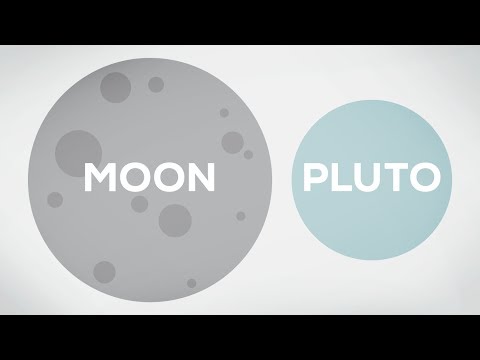
- Quite a bit bigger than the dwarf planet Pluto.
Quite a bit bigger than the dwarf planet Pluto.
- And it's the fifth largest moon in the solar system, quite a bit bigger than the dwarf planet Pluto.
And it's the fifth largest moon in the solar system, quite a bit bigger than the dwarf planet Pluto.
Solar System 101 | National Geographic
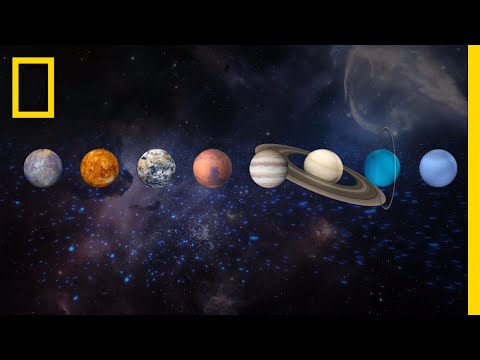
- Orbiting the terrestrial planets is the asteroid belt, a flat disk of rocky objects full of remnants from the solar system's formation, from microscopic dust particles to the largest known object, the dwarf planet Ceres.
Orbiting the terrestrial planets is the asteroid belt, a flat disk of rocky objects full of remnants from the solar system's formation, from microscopic dust particles to the largest known object, the dwarf planet Ceres.
- to the largest known object, the dwarf planet, Ceres.
to the largest known object, the dwarf planet, Ceres.
Solar System for Kids | Learn the Planets plus Pluto (New Horizons)
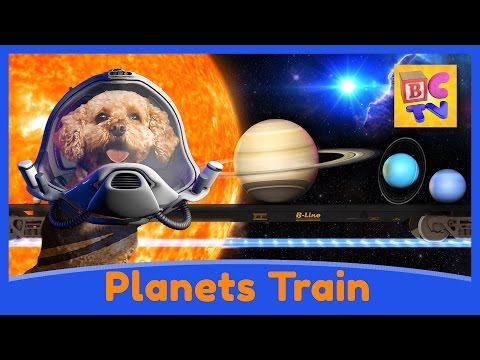
- but now it's called a dwarf planet because it's so small, even smaller than Earth's moon.
but now it's called a dwarf planet because it's so small, even smaller than Earth's moon.
- dwarf planet because it's so small (even smaller
dwarf planet because it's so small (even smaller
COMET, METEOR OR ASTEROID - The REAL difference.

- big enough to be classed as a dwarf planet.
big enough to be classed as a dwarf planet.
- big enough to be classed as a dwarf planet.
big enough to be classed as a dwarf planet.
Pluto Anniversary - Behind the News
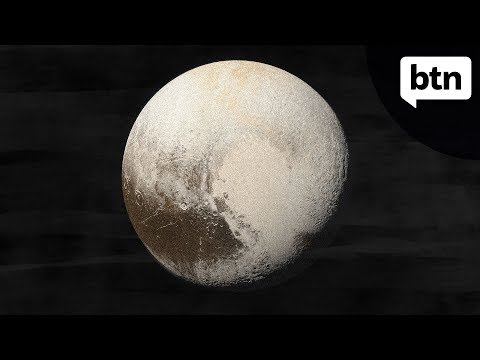
- You're technically not a planet anymore; you're a dwarf planet.
You're technically not a planet anymore; you're a dwarf planet.
- Yep, Pluto, my friend, you were downgraded to a dwarf planet.
Yep, Pluto, my friend, you were downgraded to a dwarf planet.