deceit
US /dɪˈsit/
・UK /dɪˈsi:t/
C1
n. (u.)Uncountable NounDeliberately lying to someone to trick them
I simply wish to flee the evil, the lies, and above all the deceit these fools think is freedom
Video subtitles
The Book of the Dead May Not Be What You Think It Is
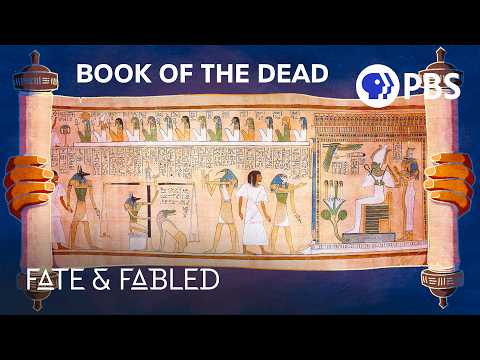
- I am not a man of deceit.
I am not a man of deceit.
- I am not a man of deceit.
I am not a man of deceit.
Economic Collapse & The Rise of Fascist & Racist Elements

- Quote, "All Jews will be forced to wear identifying markers, so as they will no longer be capable of their methods of deceit.
Quote, "All Jews will be forced to wear identifying markers, so as they will no longer be capable of their methods of deceit.
- "All Jews will be forced to wear identifying markers, so as they are no longer capable of their methods of deceit.
"All Jews will be forced to wear identifying markers, so as they are no longer capable of their methods of deceit.
《崩壞:星穹鐵道》砂金角色同人曲 - Aventurine

- The dice are cast, the path runs clear, in the shadow of deceit, there's nothing to fear.
The dice are cast, the path runs clear, in the shadow of deceit, there's nothing to fear.
- In the shadow of deceit, there's nothing to fear.
In the shadow of deceit, there's nothing to fear.
Biblical Series I: Introduction to the Idea of God
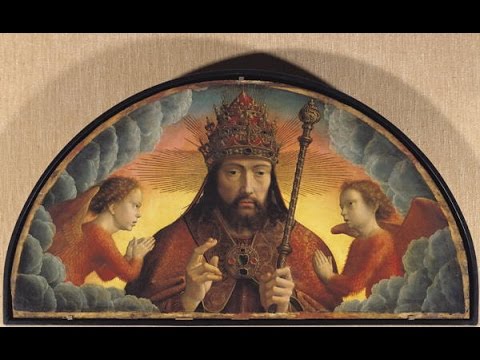
- It is the enemy of deceit, arrogance, and resentment.
It is the enemy of deceit, arrogance, and resentment.
- It is the enemy of deceit, arrogance, and resentment.
It is the enemy of deceit, arrogance, and resentment.
Imagine Dragons - On Top Of The World (Official Music Video)

- One giant deceit for mankind (oh~)
One giant deceit for mankind (oh~)
HISTORY OF IDEAS - Manners

- Rousseau now contrasts favourably with modern mannered people. Rousseau tells us that people living in what he calls the state of nature were, in his eyes, far superior to educated and mannered Parisians. Their manners may have been simple, but they were honest and forthright, without the sins of what he now terms the over-civilised. Rousseau retells the story of civilisation as one of loss and decline, from a primordial state of fresh-faced curiosity, honesty and enthusiasm, to barbarous over-politeness, fakery and deceit. He describes the elaborate French court at Versailles as less civilised than an early human cave. Readers across Europe are astonished, and not a little impressed, by this impudence. For hundreds of years, moralists have been arguing that our natural selves are wild, harmful, over-sexual and dangerous, and that we must learn to tame them for the sake of others. Now Rousseau suggests the diametrical opposite. Civilisation has gone too far, it's our mannered selves that have become the problem, and the task of a properly evolved civilisation is to throw off the chains of manners, to relax us, strip off the etiquette and return to primitive frankness. Rousseau's point continues to echo down to our own times. It is his voice we can hear whenever someone sticks up for the simpler life, and suggests we dress less formally, eat dinner more casually and more readily say whatever is passing through our minds. New York, United States, 1827. A French aristocrat, Alexis de Tocqueville, is on a tour of the young United States in an effort to understand the spirit of a new kind of society, a democracy. He is immediately struck by American manners, or lack thereof. In Europe, reflects de Tocqueville, manners have been codified to emphasise hierarchical differences between people. Ordinary people defer to aristocrats, aristocrats to royalty, and so on. But in the United States, everything is done so as to suggest that there are no differences between people. No one takes off their hat to anyone, a postman can casually greet a judge, a mule driver can strike up cheerful banter with a wealthy merchant, and one cannot tell by someone's clothes whether they might be living in a mansion or a hut. Expressions like how you doing and hi are heard everywhere across the new republic. It could be charming, but the aristocratic de Tocqueville wryly notes a problem. These casual manners do not do away with class and wealth differences. They merely sentimentally disguise them. The manners of old Europe have been accused of being cruel in their stress on hierarchy.
Rousseau now contrasts favourably with modern mannered people. Rousseau tells us that people living in what he calls the state of nature were, in his eyes, far superior to educated and mannered Parisians. Their manners may have been simple, but they were honest and forthright, without the sins of what he now terms the over-civilised. Rousseau retells the story of civilisation as one of loss and decline, from a primordial state of fresh-faced curiosity, honesty and enthusiasm, to barbarous over-politeness, fakery and deceit. He describes the elaborate French court at Versailles as less civilised than an early human cave. Readers across Europe are astonished, and not a little impressed, by this impudence. For hundreds of years, moralists have been arguing that our natural selves are wild, harmful, over-sexual and dangerous, and that we must learn to tame them for the sake of others. Now Rousseau suggests the diametrical opposite. Civilisation has gone too far, it's our mannered selves that have become the problem, and the task of a properly evolved civilisation is to throw off the chains of manners, to relax us, strip off the etiquette and return to primitive frankness. Rousseau's point continues to echo down to our own times. It is his voice we can hear whenever someone sticks up for the simpler life, and suggests we dress less formally, eat dinner more casually and more readily say whatever is passing through our minds. New York, United States, 1827. A French aristocrat, Alexis de Tocqueville, is on a tour of the young United States in an effort to understand the spirit of a new kind of society, a democracy. He is immediately struck by American manners, or lack thereof. In Europe, reflects de Tocqueville, manners have been codified to emphasise hierarchical differences between people. Ordinary people defer to aristocrats, aristocrats to royalty, and so on. But in the United States, everything is done so as to suggest that there are no differences between people. No one takes off their hat to anyone, a postman can casually greet a judge, a mule driver can strike up cheerful banter with a wealthy merchant, and one cannot tell by someone's clothes whether they might be living in a mansion or a hut. Expressions like how you doing and hi are heard everywhere across the new republic. It could be charming, but the aristocratic de Tocqueville wryly notes a problem. These casual manners do not do away with class and wealth differences. They merely sentimentally disguise them. The manners of old Europe have been accused of being cruel in their stress on hierarchy.
- enthusiasm, to barbarous over-politeness, fakery, and deceit.
enthusiasm, to barbarous over-politeness, fakery, and deceit.
June Fights Back at Her Execution | The Handmaid's Tale | Hulu

- Yet she chose to poison these women with deceit.
Yet she chose to poison these women with deceit.
Honest Trailers - Gone Girl

- deceit, until Ben Affleck finally gets his revenge by staying with her to start a family?
deceit, until Ben Affleck finally gets his revenge by staying with her to start a family?
- and deceit,
and deceit,
President Obama Speaks at Hankuk University
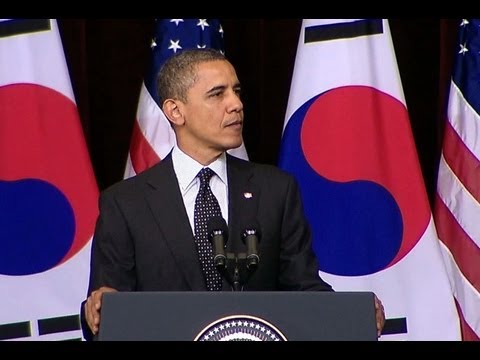
- But time and again, Iran has refused, instead taking the path of denial, deceit, and deception.
But time and again, Iran has refused, instead taking the path of denial, deceit, and deception.
- instead taking the path of denial, deceit and deception.
instead taking the path of denial, deceit and deception.
President Barack Obama's Inaugural Address

- To those who cling to power through corruption and deceit and the silencing of dissent, know that you are on the wrong side of history,
To those who cling to power through corruption and deceit and the silencing of dissent, know that you are on the wrong side of history,
- To those who cling to power through corruption and deceit
To those who cling to power through corruption and deceit