concerto
US /kənˈtʃɛrto/
・UK /kən'tʃɜ:təʊ/
B2
n.NounPiece of music for an instrument with an orchestra
My father has a large collection of violin concertos and he completely relaxes when he listens to them
Video subtitles
TED Malcolm Gladwell 一万小时成功理论 @新浪公开课
- I mean, he doesn't produce something great until he's 22 or 23, Concerto Number 9, I think, to 71.
I mean, he doesn't produce something great until he's 22 or 23, Concerto Number 9, I think, to 71.
- 22 or 23 concerto No.9 I think 271
22 or 23 concerto No.9 I think 271
Impressionism - OpenBUCS
- So instead of, say, if we imagine that Mozart clarinet concerto that we listen to, the clarinet plays, the clarinet plays, the clarinet plays, the clarinet plays, the clarinet stops.
So instead of, say, if we imagine that Mozart clarinet concerto that we listen to, the clarinet plays, the clarinet plays, the clarinet plays, the clarinet plays, the clarinet stops.
- effect. So instead of say if we imagine that Mozart Clarinet Concerto
effect. So instead of say if we imagine that Mozart Clarinet Concerto
Part 1 - Pride and Prejudice Audiobook by Jane Austen (Chs 01-15)
- and Mary, at the end of a long concerto, was glad to purchase praise and gratitude by Scotch and Irish heirs, at the request of her younger sisters, who, with some of the Lucas's, and
and Mary, at the end of a long concerto, was glad to purchase praise and gratitude by Scotch and Irish heirs, at the request of her younger sisters, who, with some of the Lucas's, and
- not playing half so well; and Mary, at the end of a long concerto, was glad to
not playing half so well; and Mary, at the end of a long concerto, was glad to
BBC 6 Minute English September 10, 2015 - The Proms
- Finn: Yes, every symphony, concerto, or sonata will have a slow movement
Finn: Yes, every symphony, concerto, or sonata will have a slow movement
- Every symphony, concerto, or sonata will have a slow movement, and it will often be deeply emotional.
Every symphony, concerto, or sonata will have a slow movement, and it will often be deeply emotional.
This Top Gun: Maverick Scene Is Action Perfection
- That's what makes a pop song or a concerto or an opera dynamic and interesting.
That's what makes a pop song or a concerto or an opera dynamic and interesting.
- That's what makes a pop song, or a concerto, or an opera dynamic and interesting.
That's what makes a pop song, or a concerto, or an opera dynamic and interesting.
Top 5 Taiwanese Dramas - Top 5 Fridays
- Topping the list at number 1 we have Autumns Concerto. [crowd applause] It has got everything you typically think of in a drama.
Topping the list at number 1 we have Autumns Concerto. [crowd applause] It has got everything you typically think of in a drama.
- Topping the list at number 1, we have Autumn's Concerto.
Topping the list at number 1, we have Autumn's Concerto.
BBC Howard Goodalls Story of Music. Part 2 of 6: The Age of Invention
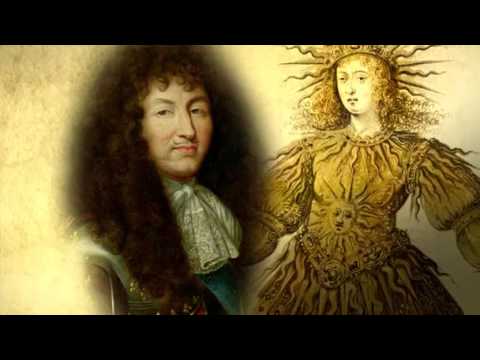
- He gathered stringed instruments together into groups and created for them a new form - the concerto.
He gathered stringed instruments together into groups and created for them a new form - the concerto.
- Now, the concerto, where a small group of players alternates with a larger group, makes its impact by contrasting loud and soft passages, like the juxtaposition of light and shade, chiaroscuro, in painting.
Now, the concerto, where a small group of players alternates with a larger group, makes its impact by contrasting loud and soft passages, like the juxtaposition of light and shade, chiaroscuro, in painting.
Lecture 2. Introduction to Instruments and Musical Genres
- I believe it was Tchaikovsky's Piano Concerto No.
I believe it was Tchaikovsky's Piano Concerto No.
- Student: I believe it was Tchaikovsky's Piano Concerto
Student: I believe it was Tchaikovsky's Piano Concerto
Lecture 3. Rhythm: Fundamentals
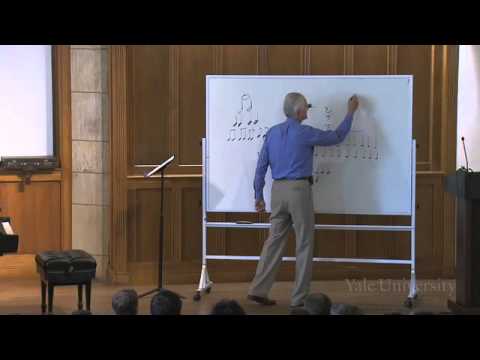
- Or it could be something as we had the other day in the Tchaikovsky Piano Concerto, low, middle, high, low, middle, high.
Or it could be something as we had the other day in the Tchaikovsky Piano Concerto, low, middle, high, low, middle, high.
- Concerto, <<plays piano>>
Concerto, <<plays piano>>
Young Dracula - BBC Series - Season 3 Ep 13 "All for One"
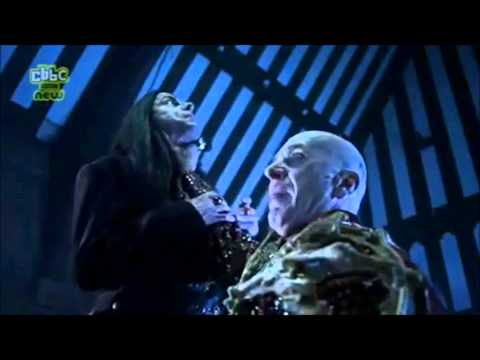
- It'll be a symphony of slaughter, a concerto of chaos, an opera of apocalypse.
It'll be a symphony of slaughter, a concerto of chaos, an opera of apocalypse.
- the concerto of chaos, an opera of apocalypse!
the concerto of chaos, an opera of apocalypse!